IDEAL FOR
- + Owners seeking the unique experience of a cat that loves water and swimming
- + People looking for a large, energetic, and adventurous feline companion
- + Those who want a longhair aesthetic but with lower grooming maintenance
THINK TWICE IF
- - Living in a small apartment or restricted space where a large cat might feel trapped
- - Homes with open aquariums or toilets where a water-loving cat could cause trouble
- - Owners who prefer a calm, sedentary, or quiet lap cat
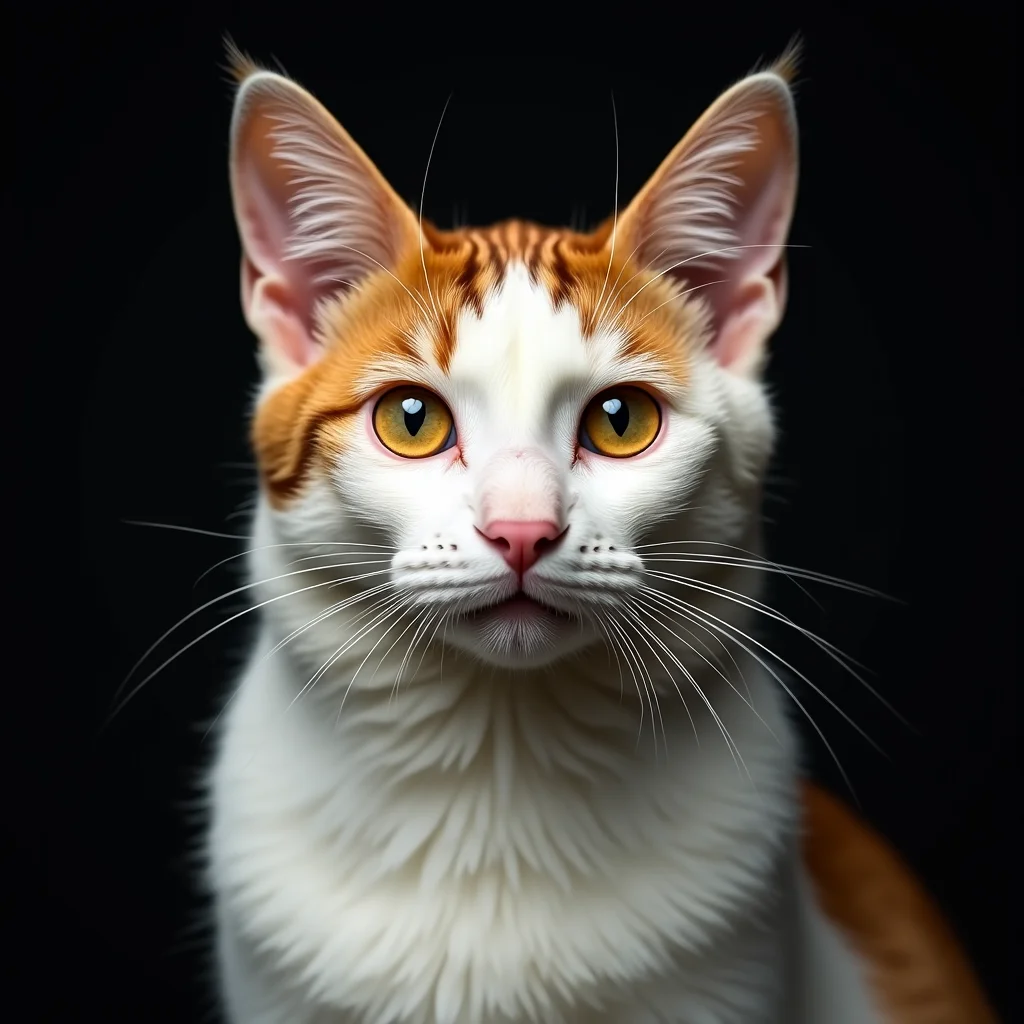
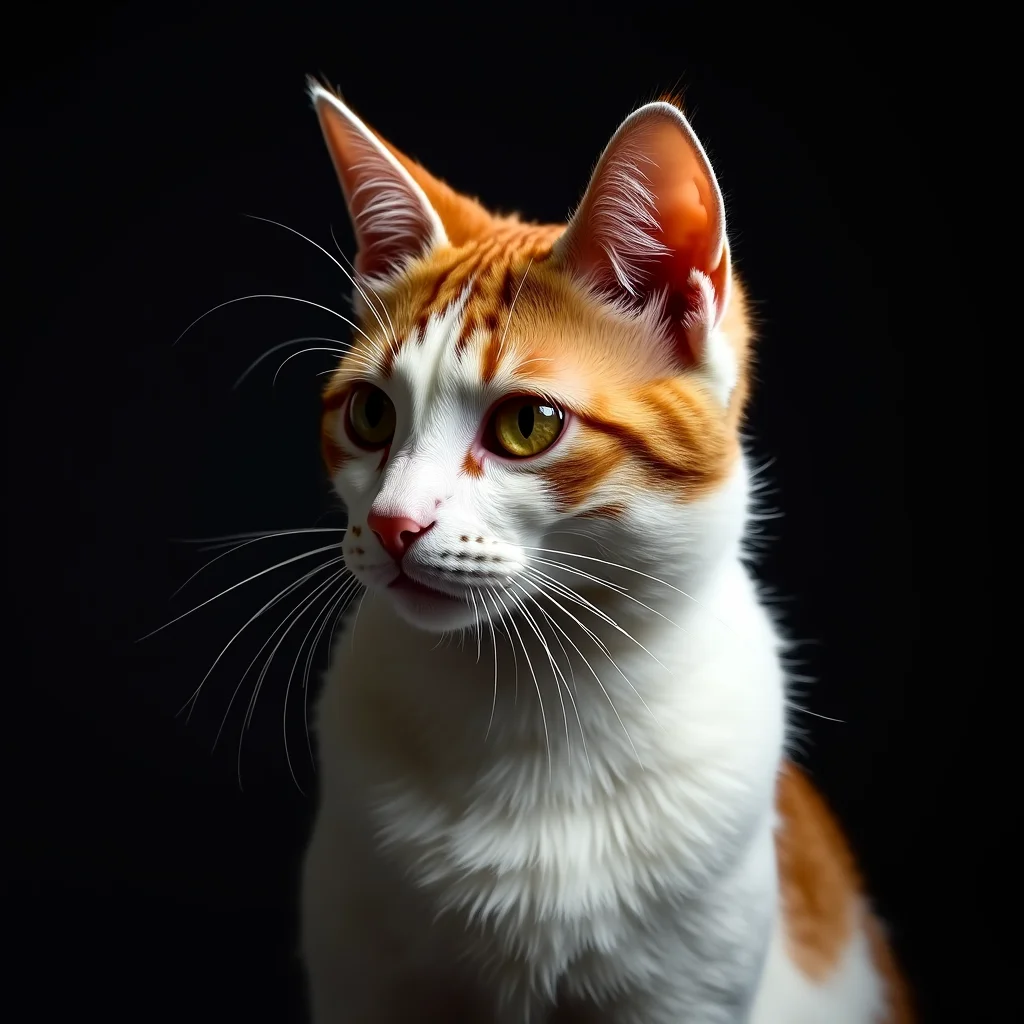
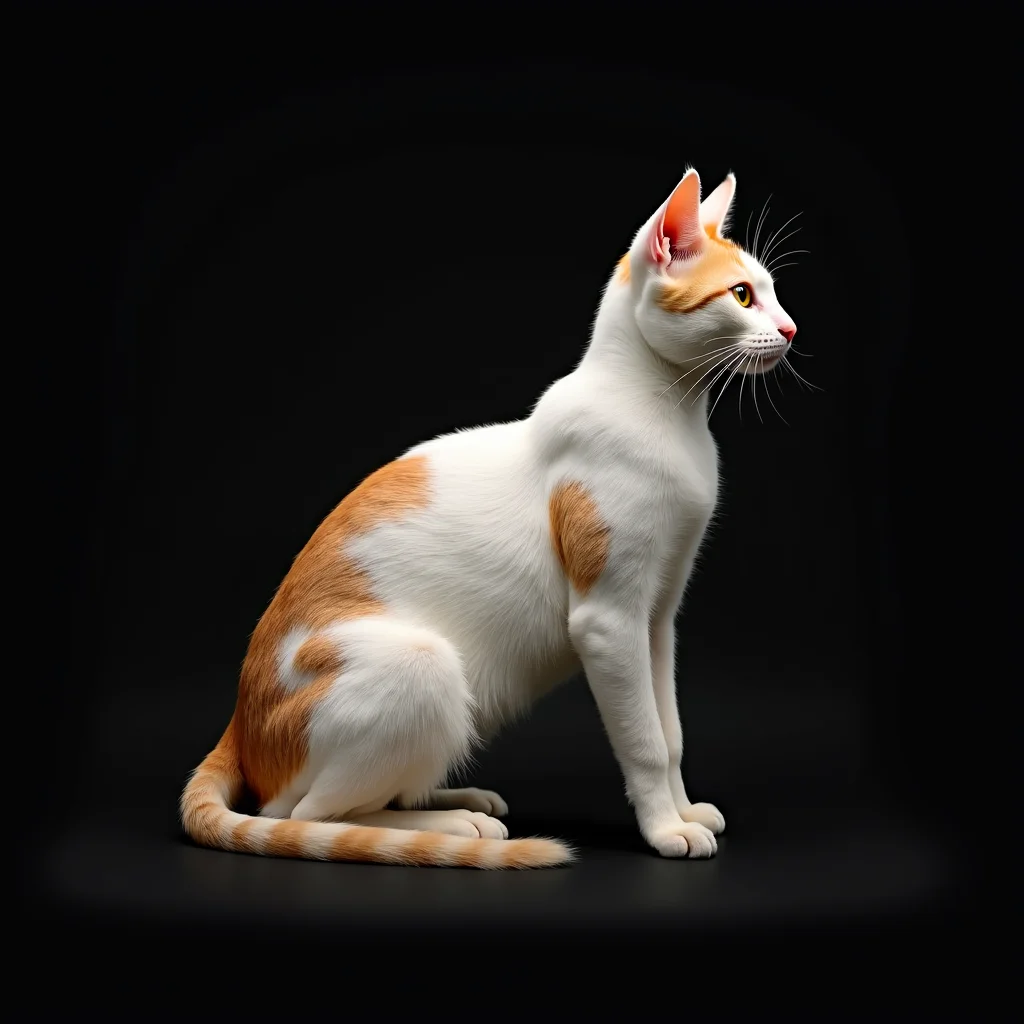
MORPHOLOGY STUDY
HEALTH RISK ADVISORY
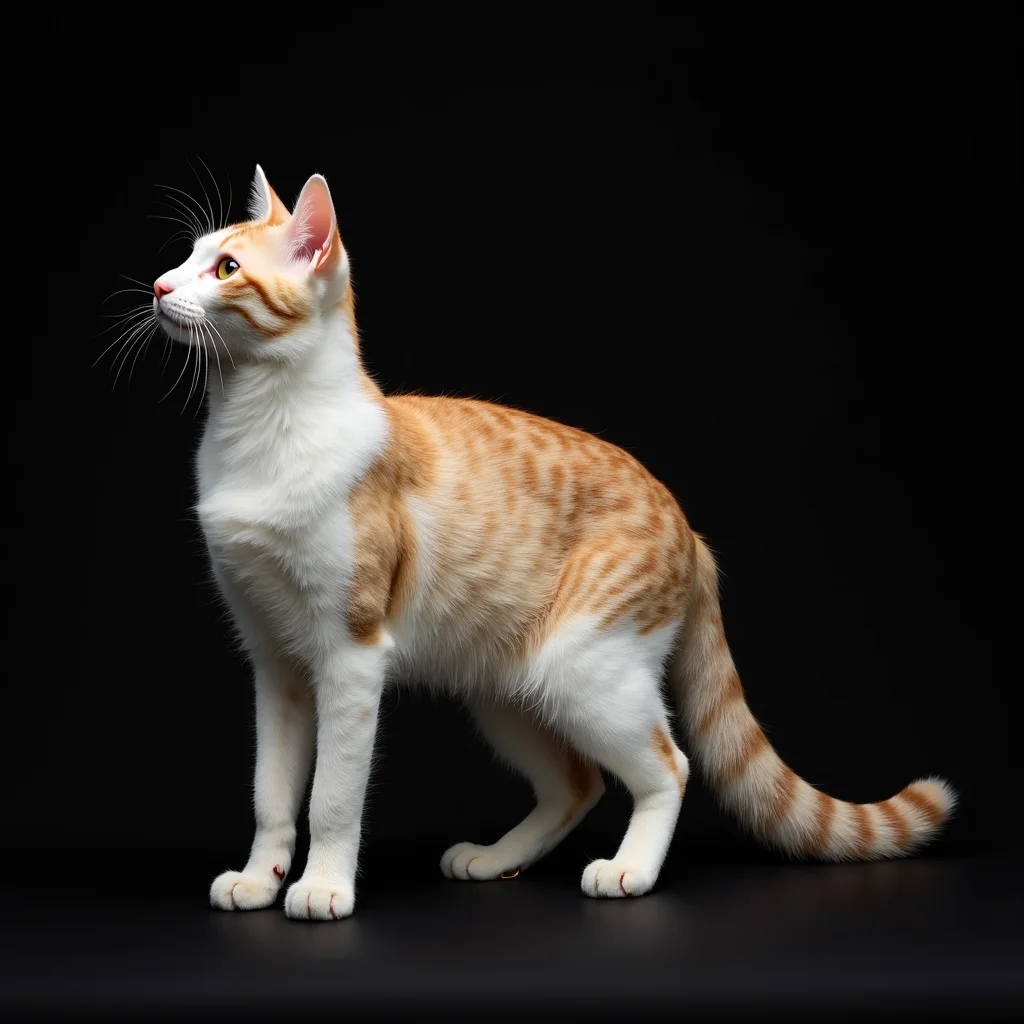
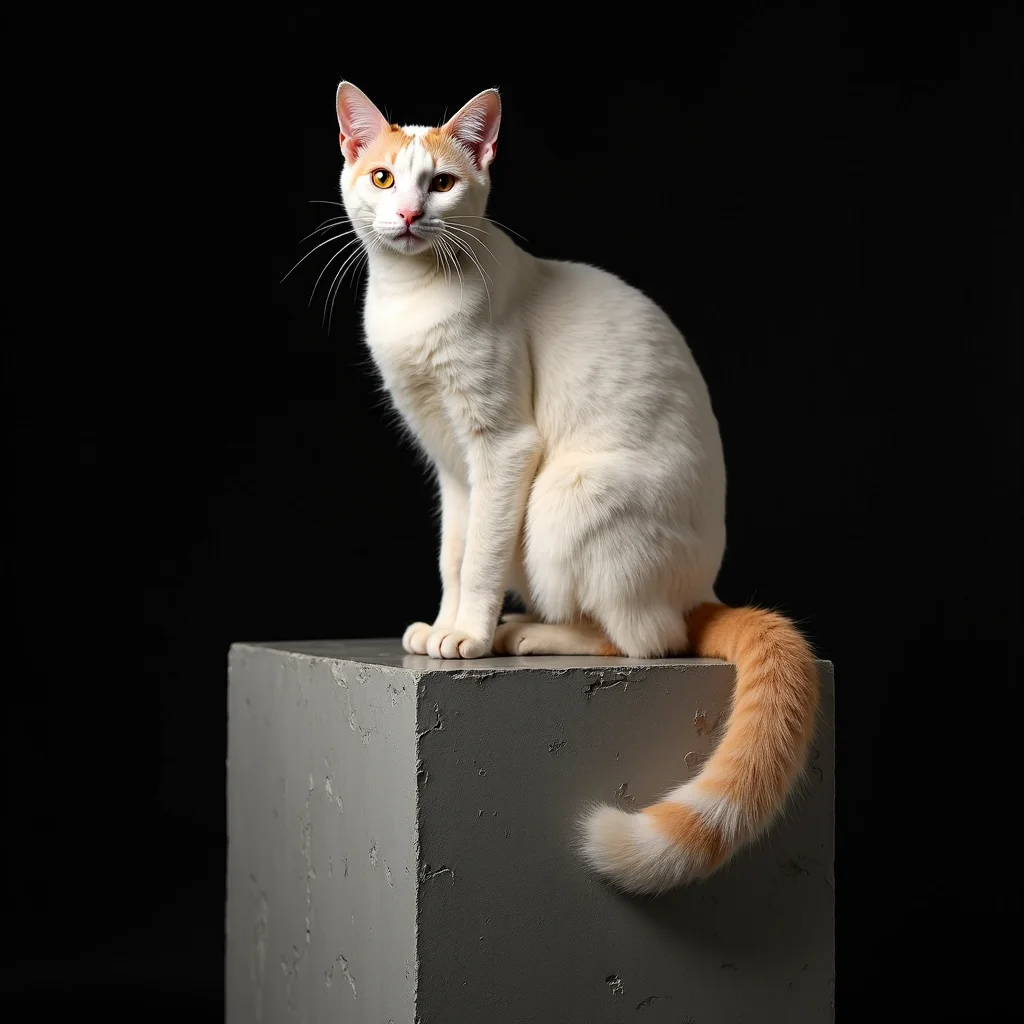
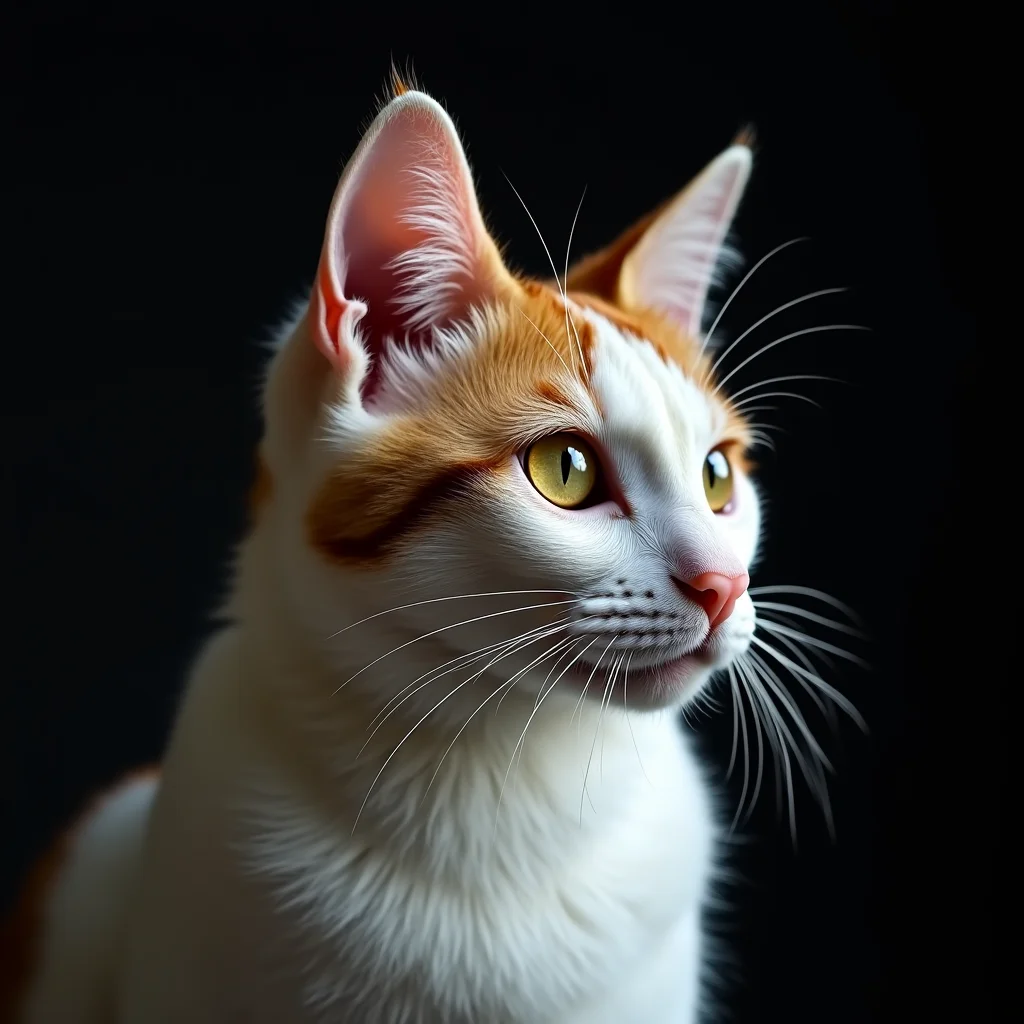
The Turkish Van is a semi-long-haired breed of domestic cat, famously known as the 'Swimming Cat'.
CARE INDEX
ECONOMICS & ORIGIN
SOCIAL COMPATIBILITY
RECOMMENDED CARE ITEMS
IDENTIFICATION TIP
"Much larger and sturdier than a Turkish Angora; the body must be white with color only on the head and tail."
FREQUENTLY ASKED
Q. Do they really swim?
A. Yes, many Turkish Vans will naturally swim in bathtubs or pools. This trait is believed to originate from their ancestors catching fish in Lake Van.
Q. How are they different from Turkish Angoras?
A. The main differences are size and pattern. Turkish Vans are much larger and sturdier, and must have the 'Van pattern' (color only on head and tail).
Q. Do they struggle in the heat?
A. Thanks to their lack of an undercoat, they handle warmer weather better than many other longhairs. They also use their love of water to cool down effectively.
Q. How long do they take to mature?
A. As a large breed, they develop slowly. It can take between 3 to 5 years for a Turkish Van to reach full physical size and for their coat to reach its prime.
Q. Are there non-Van pattern Turkish Vans?
A. According to breed standards, the color should be restricted to the head and tail, though one or two small spots on the body are acceptable. A fully white cat would not be a Turkish Van.
OFFICIAL RECOGNITION
REFERENCES & SOURCES
* This guide describes general breed characteristics. For medical decisions, always consult a professional veterinarian.