IDEAL FOR
- + Owners who want active play and intellectual interaction
- + People who love longhair aesthetics but want lower maintenance
- + Those who prefer a lively, extroverted 'puppy-like' cat
THINK TWICE IF
- - Owners who prefer a quiet and inactive lap cat
- - People unsure about managing a deaf cat (common in white variants)
- - Homes with many fragile items displayed on high shelves
MORPHOLOGY STUDY
HEALTH RISK ADVISORY
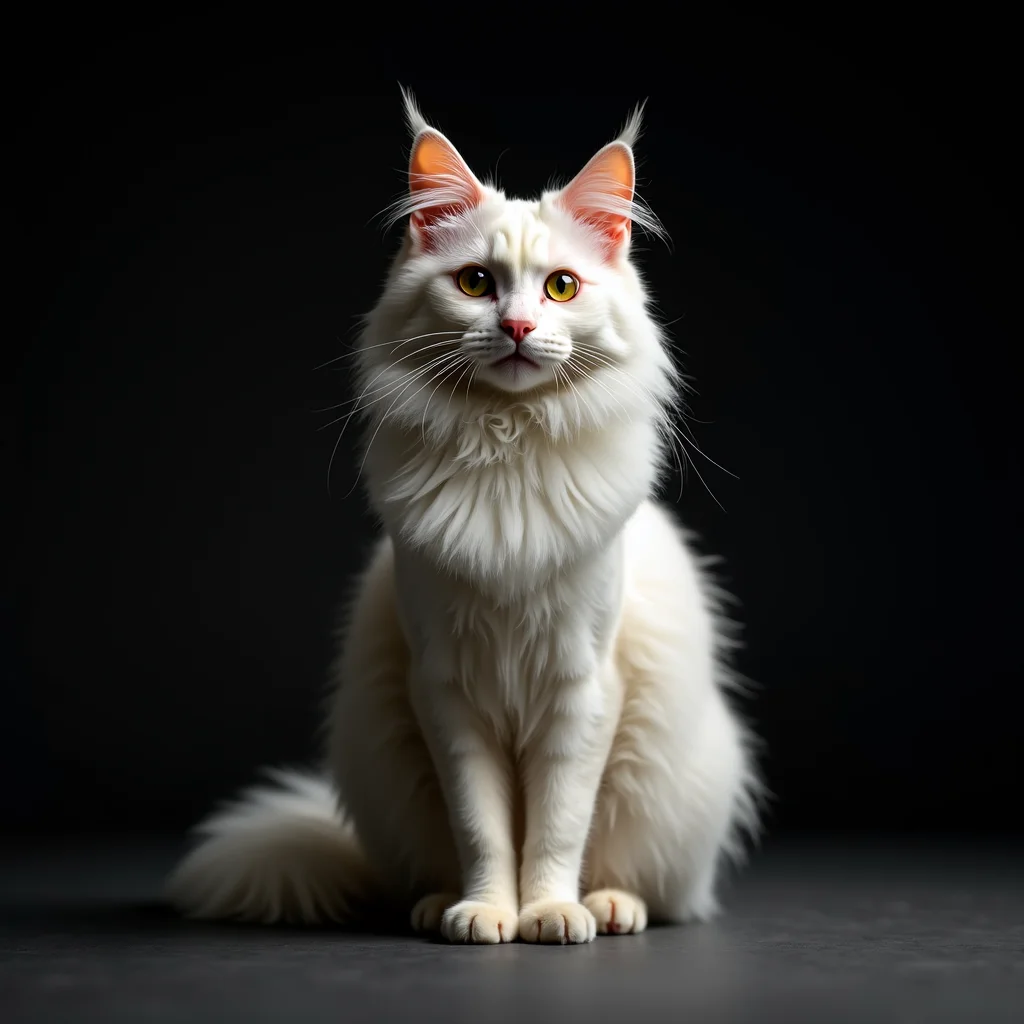
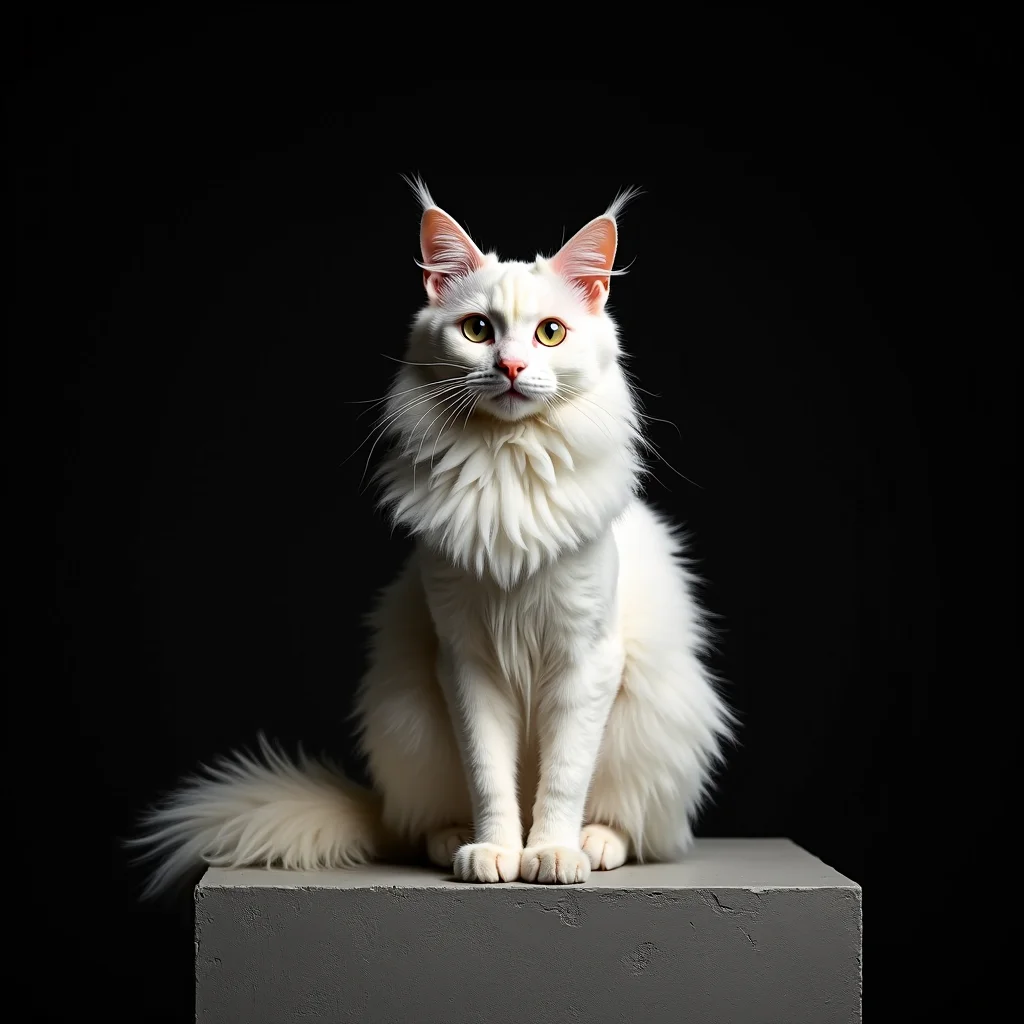
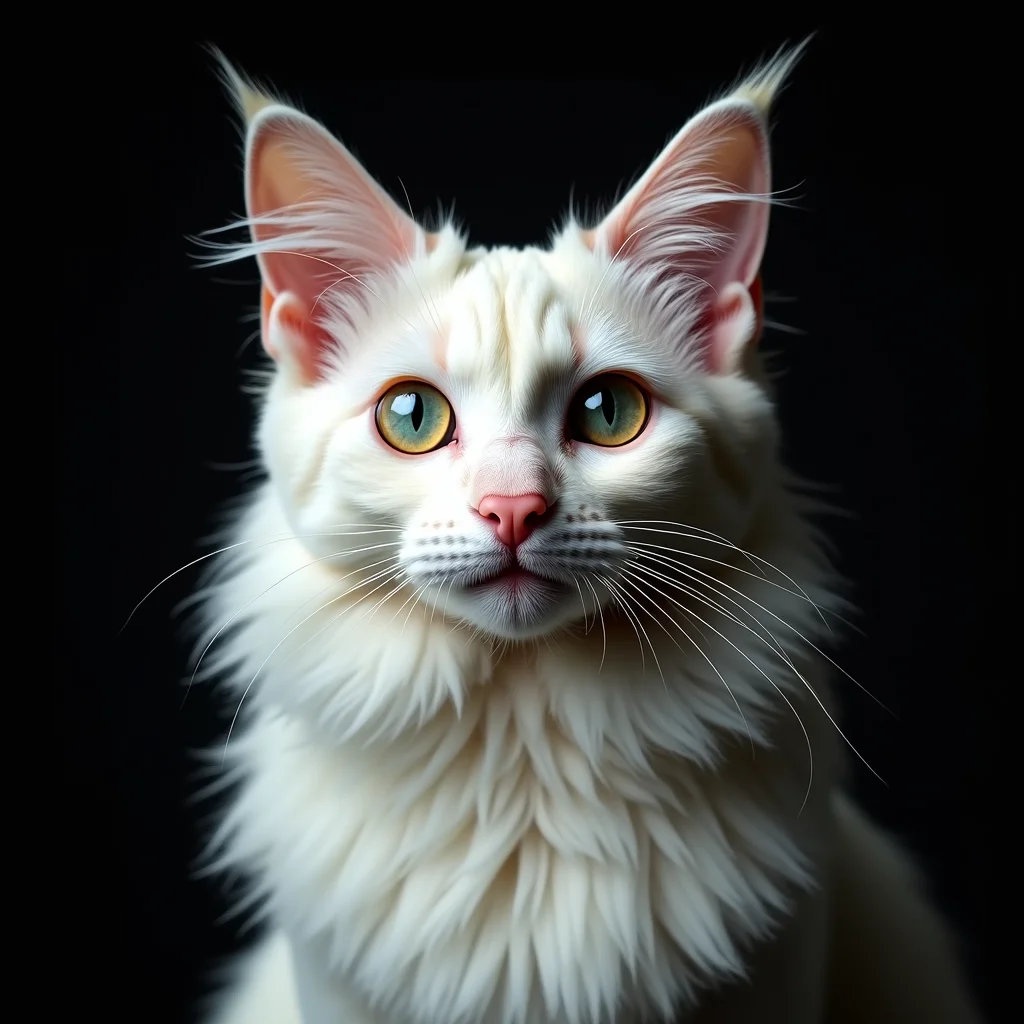
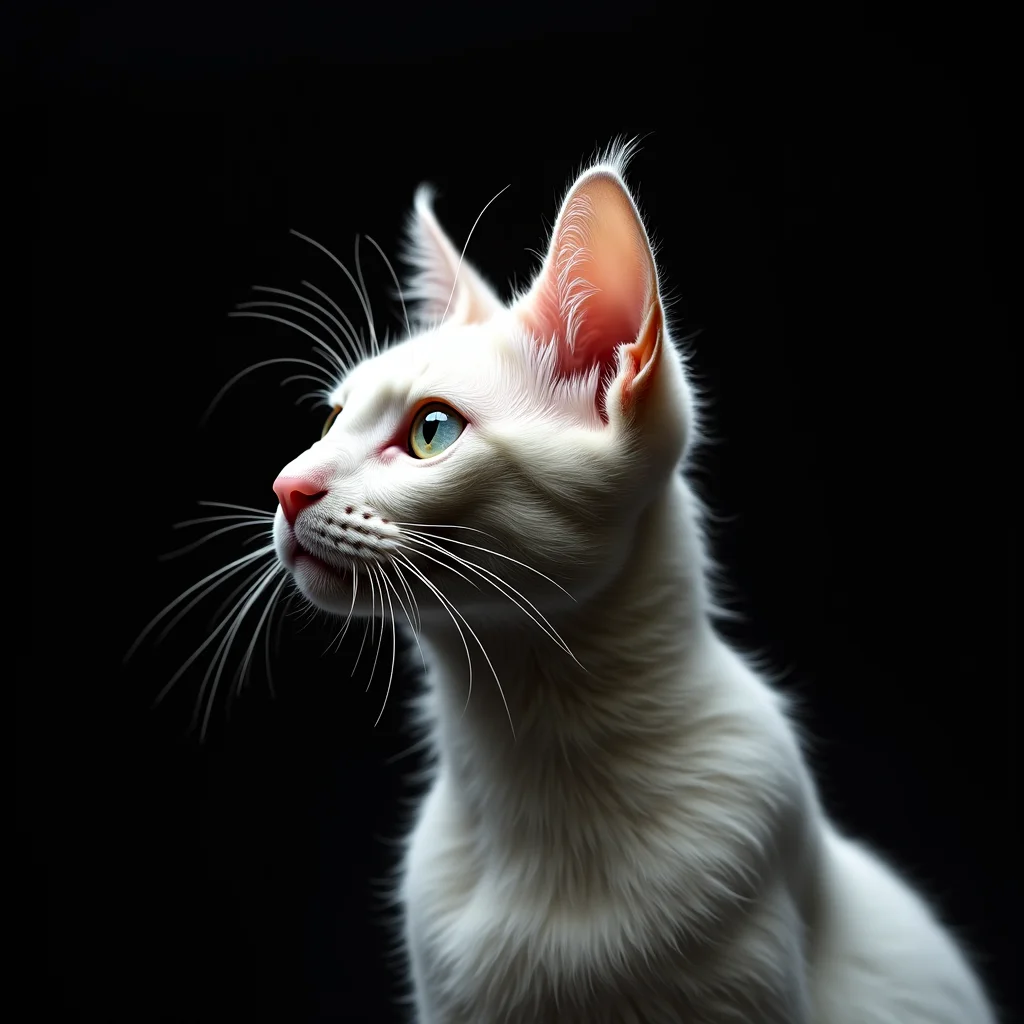
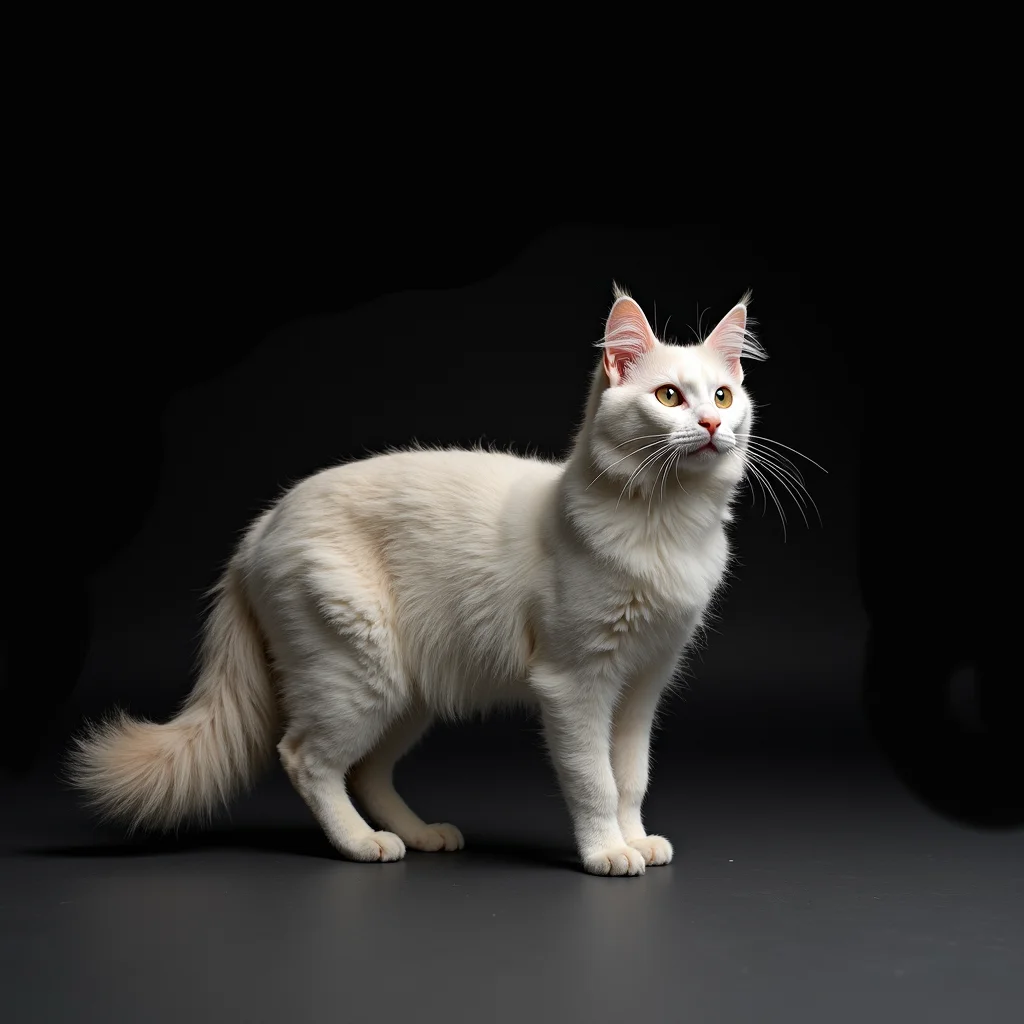
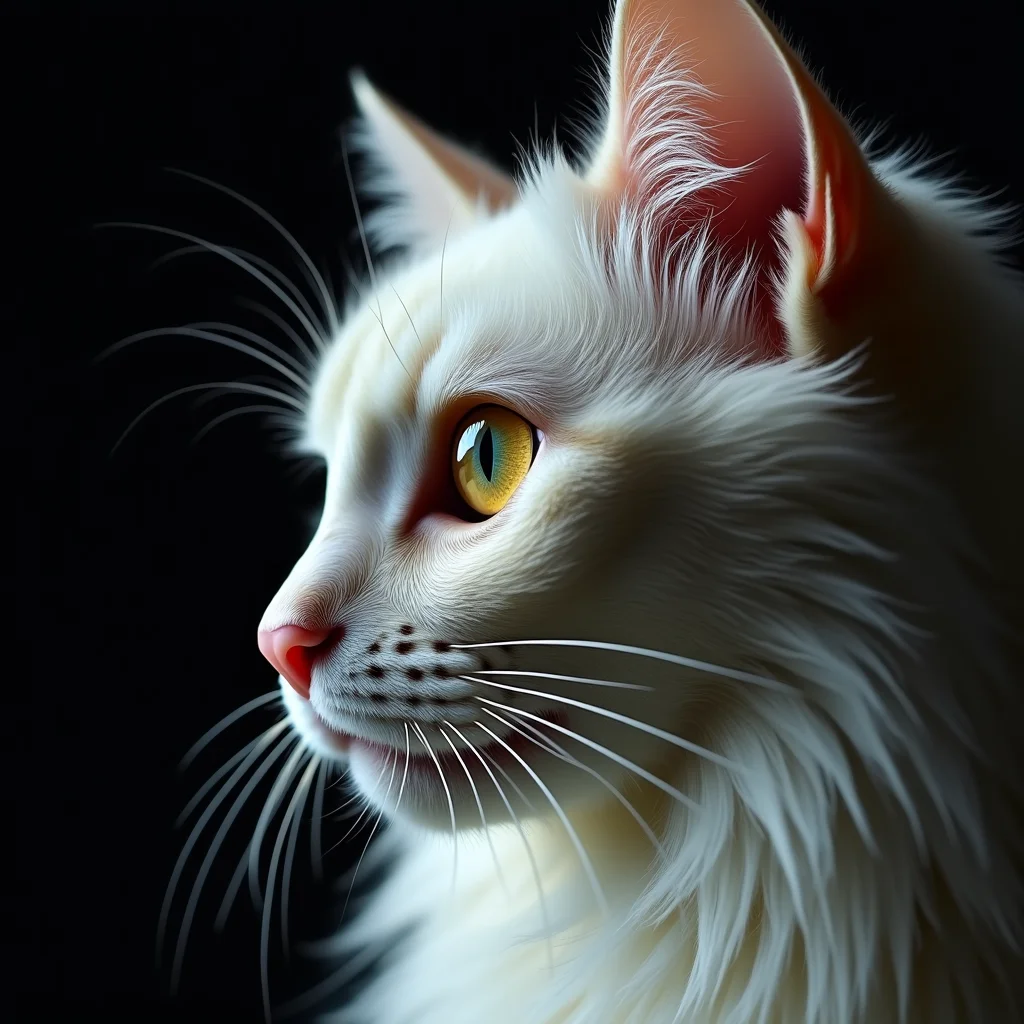
The Turkish Angora is a breed of domestic cat that originated in central Turkey, in the Ankara region.
CARE INDEX
ECONOMICS & ORIGIN
SOCIAL COMPATIBILITY
RECOMMENDED CARE ITEMS
IDENTIFICATION TIP
"Look for a leaner face and straighter nose than a Persian; the coat should be much lighter and wispy."
FREQUENTLY ASKED
Q. Are they really deaf?
A. Not all. Deafness is highly linked to white coats and blue eyes. Odd-eyed cats may be deaf only on the side of the blue eye.
Q. Do they shed a lot?
A. As a longhair breed, they do shed. However, the lack of an undercoat means fur tends to float rather than mat, making regular brushing and air filtration necessary.
Q. Do they like swimming?
A. Like their Turkish Van cousins, many Angoras are fascinated by water and may enjoy playing in sinks or even swimming if introduced to it early.
Q. Are they stubborn?
A. Because they are so intelligent, they can be determined and persistent when they want something. They are often described as having an 'alpha' personality.
Q. Are odd eyes common?
A. Yes, heterochromia (one blue eye and one amber/green eye) is quite common in this breed and is highly prized for its striking and mystical appearance.
OFFICIAL RECOGNITION
REFERENCES & SOURCES
* This guide describes general breed characteristics. For medical decisions, always consult a professional veterinarian.