IDEAL FOR
- + Owners looking for a perfectly balanced cat with both intelligence and warmth
- + People who want a deeply interactive companion involved in all daily activities
- + Homes with other pets seeking a highly adaptable and social feline friend
THINK TWICE IF
- - Individuals who spend most of their day outside or prefer a hands-off pet
- - Owners who might find a 'clingy' or constantly following cat overwhelming
- - Environments where a highly curious and active 'troublemaker' is not welcome
MORPHOLOGY STUDY
HEALTH RISK ADVISORY
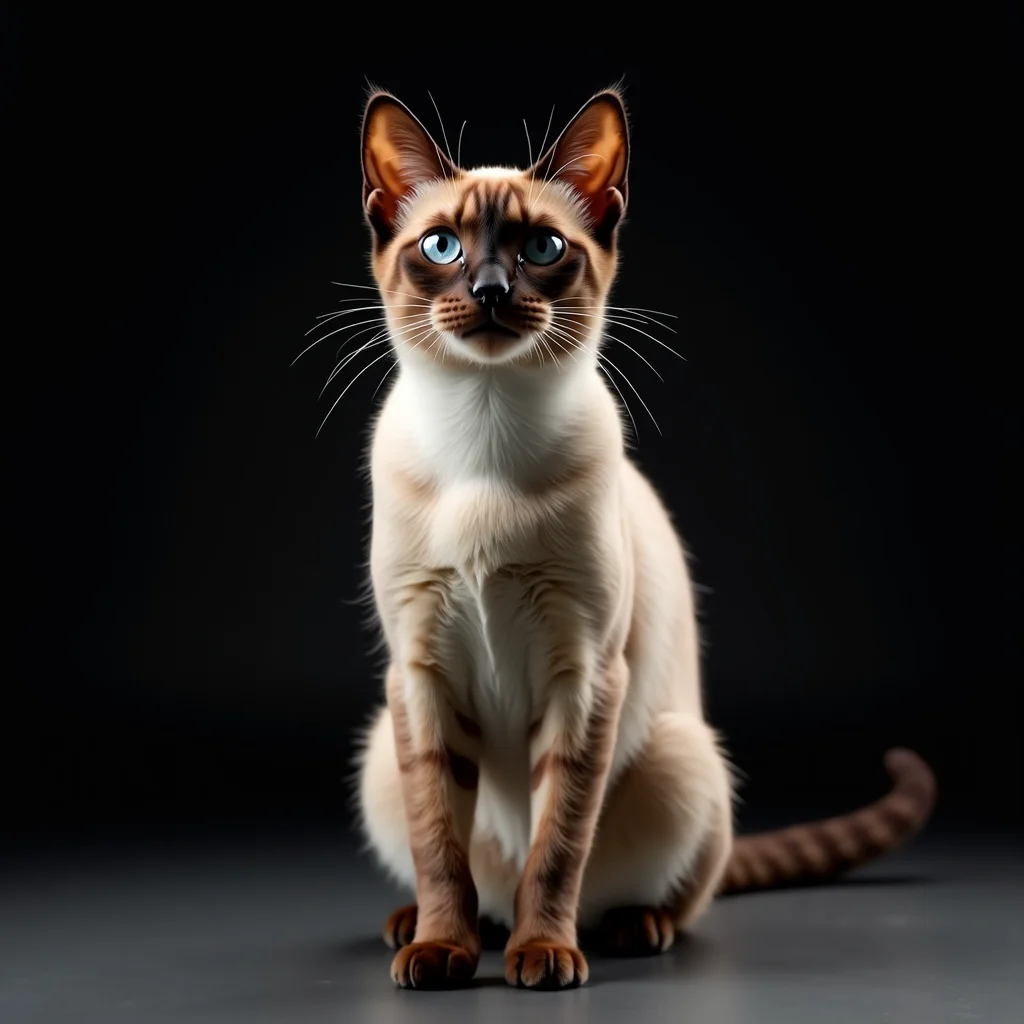
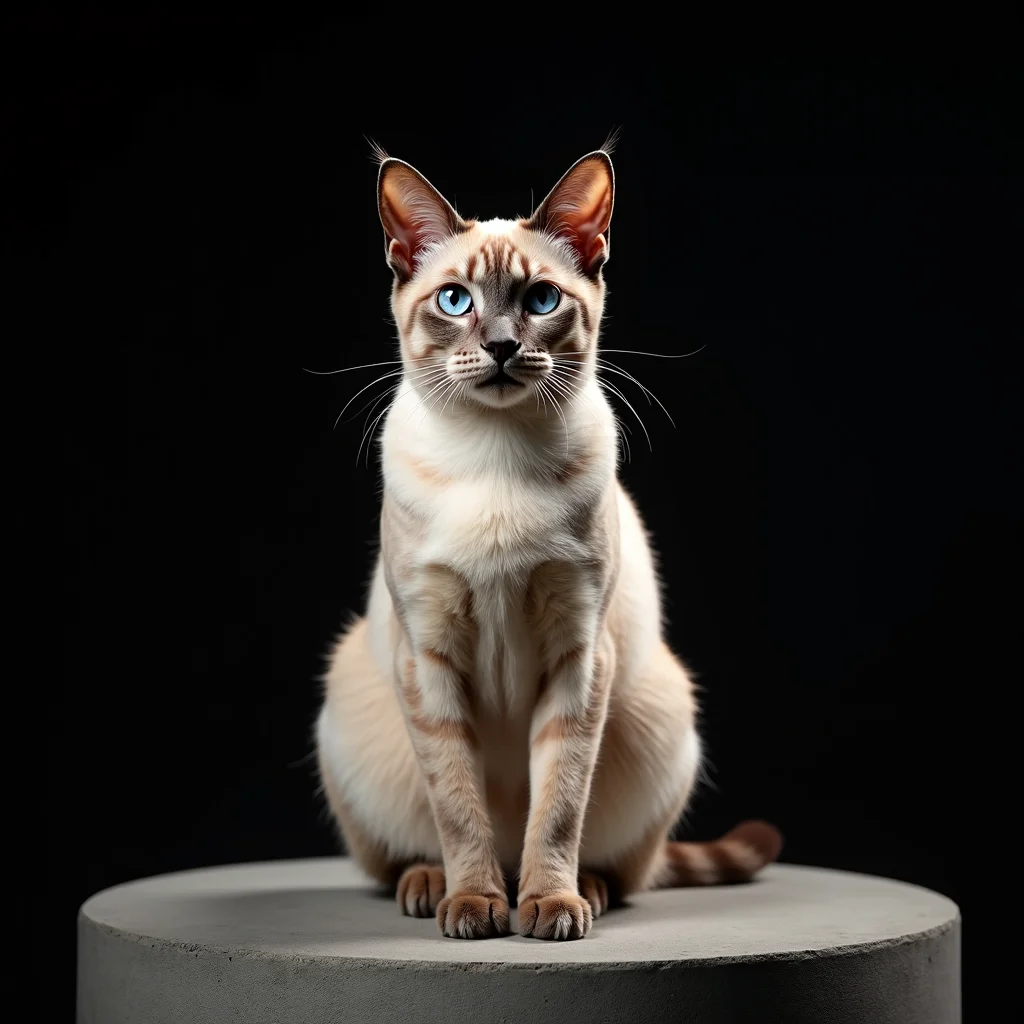
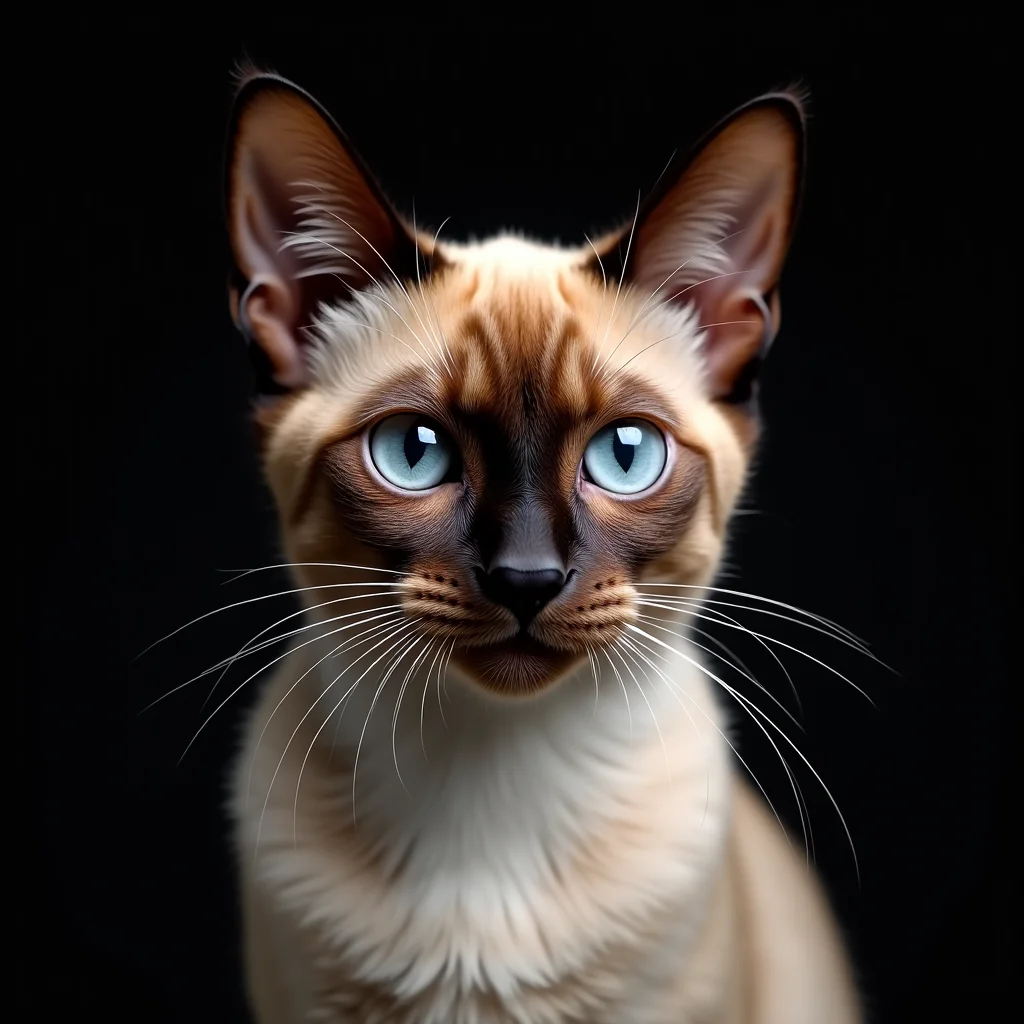
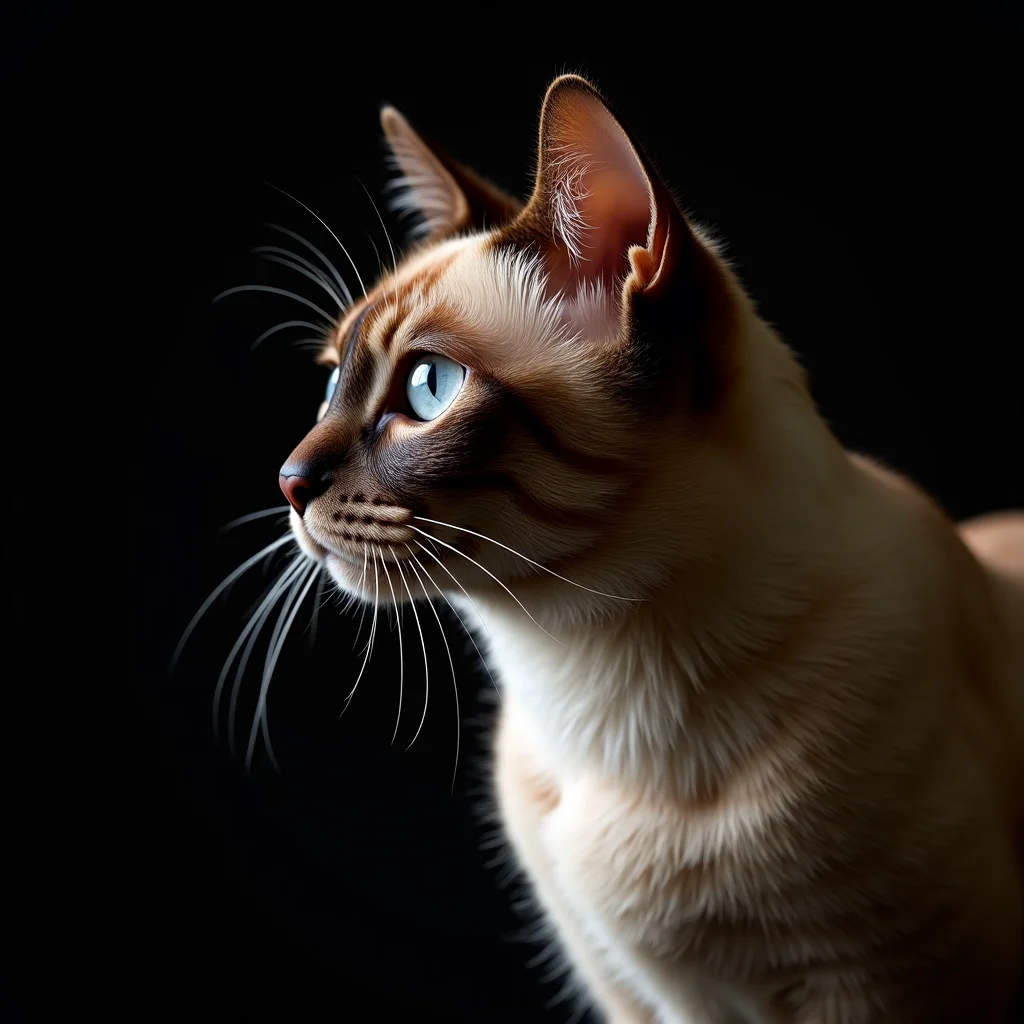
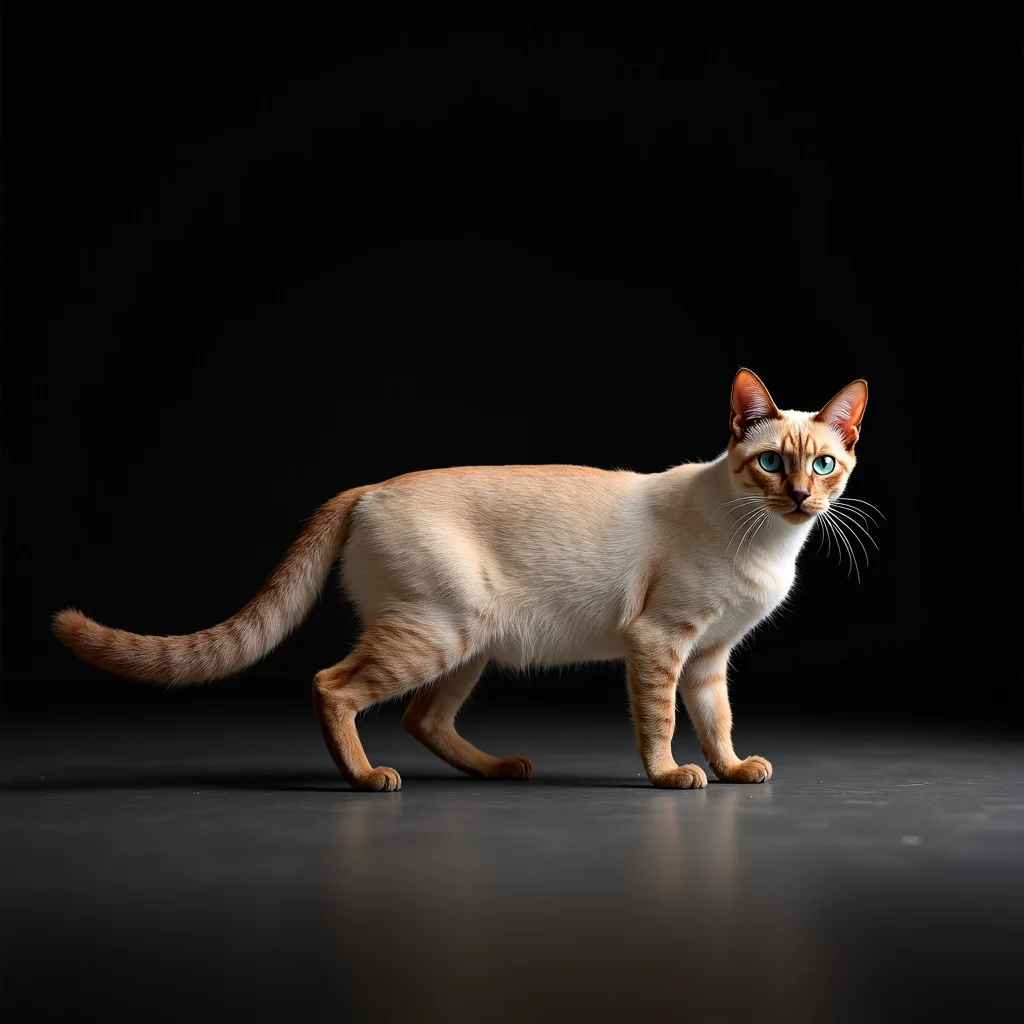
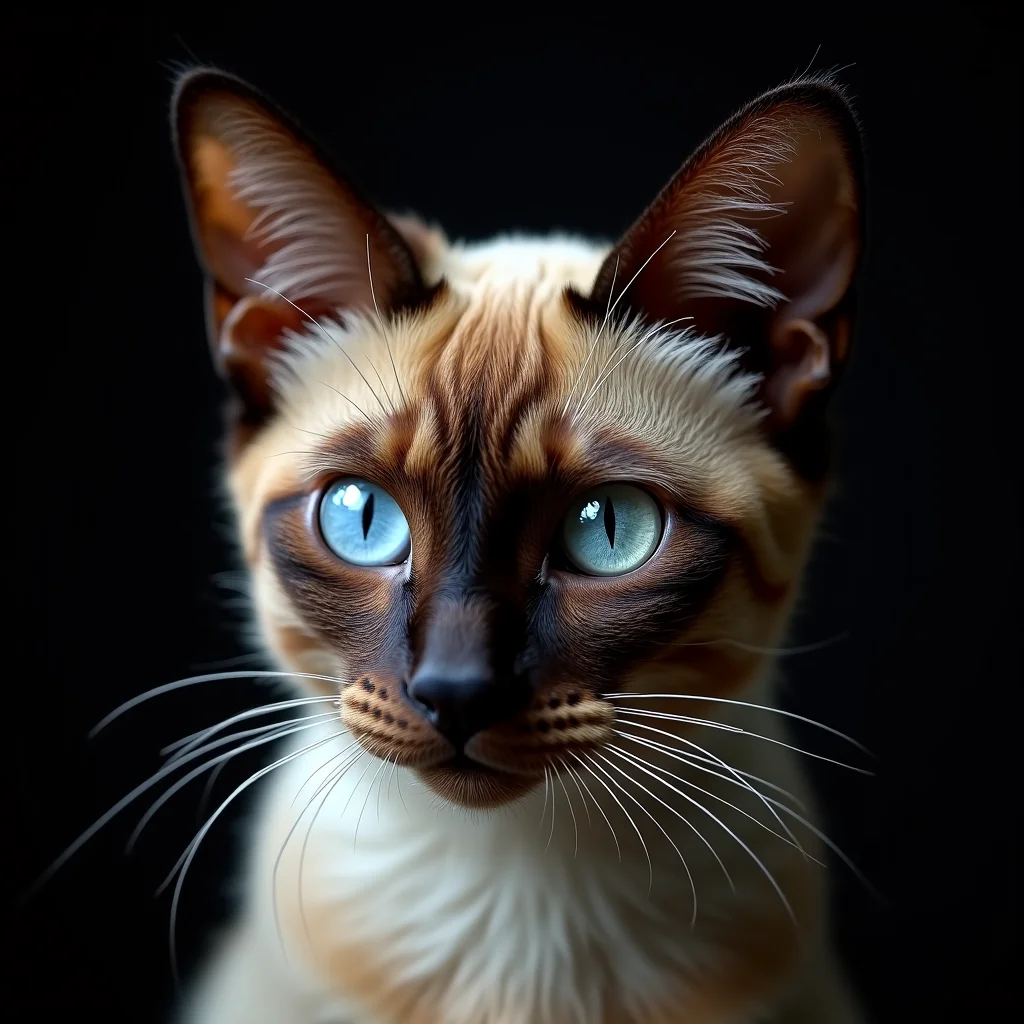
The Tonkinese is a vibrant and social breed developed by crossing the Siamese and Burmese, known for its incredible affection and beautiful mink coat.
CARE INDEX
ECONOMICS & ORIGIN
SOCIAL COMPATIBILITY
RECOMMENDED CARE ITEMS
IDENTIFICATION TIP
"Look for a body type between the slender Siamese and cobby Burmese, and check for the unique aquamarine eye color."
FREQUENTLY ASKED
Q. Why aren't their eyes blue?
A. The signature 'aqua' eye color is unique to the Mink pattern, resulting from the genetic combination of the Siamese blue and Burmese yellow/gold eyes.
Q. Do they tolerate being alone?
A. Not well. They are highly social and can become lonely or bored if left alone for long periods. They thrive best in homes where someone is usually around.
Q. Do they shed a lot?
A. No, they are relatively low-shedding cats. Their coat is short and close-lying, making them one of the easiest breeds to maintain in terms of grooming.
Q. Are they trainable?
A. Yes, their high intelligence and desire for interaction make them very trainable. Many learn to play fetch, walk on a harness, or perform simple tricks.
Q. Are they vocal?
A. They are talkative but usually have a sweeter, less insistent voice than the Siamese. They will 'converse' with you throughout the day.
OFFICIAL RECOGNITION
REFERENCES & SOURCES
* This guide describes general breed characteristics. For medical decisions, always consult a professional veterinarian.