IDEAL FOR
- + Owners who enjoy active play, training, and dynamic interaction
- + People who appreciate the wild, fox-like aesthetic of a longhair breed
- + Families seeking a social, 'busybody' cat involved in everything
THINK TWICE IF
- - Owners seeking a quiet, sedentary lap cat
- - People with busy schedules unable to provide hours of daily exercise
- - Environments where climbing and exploring high surfaces is unwelcome
MORPHOLOGY STUDY
HEALTH RISK ADVISORY
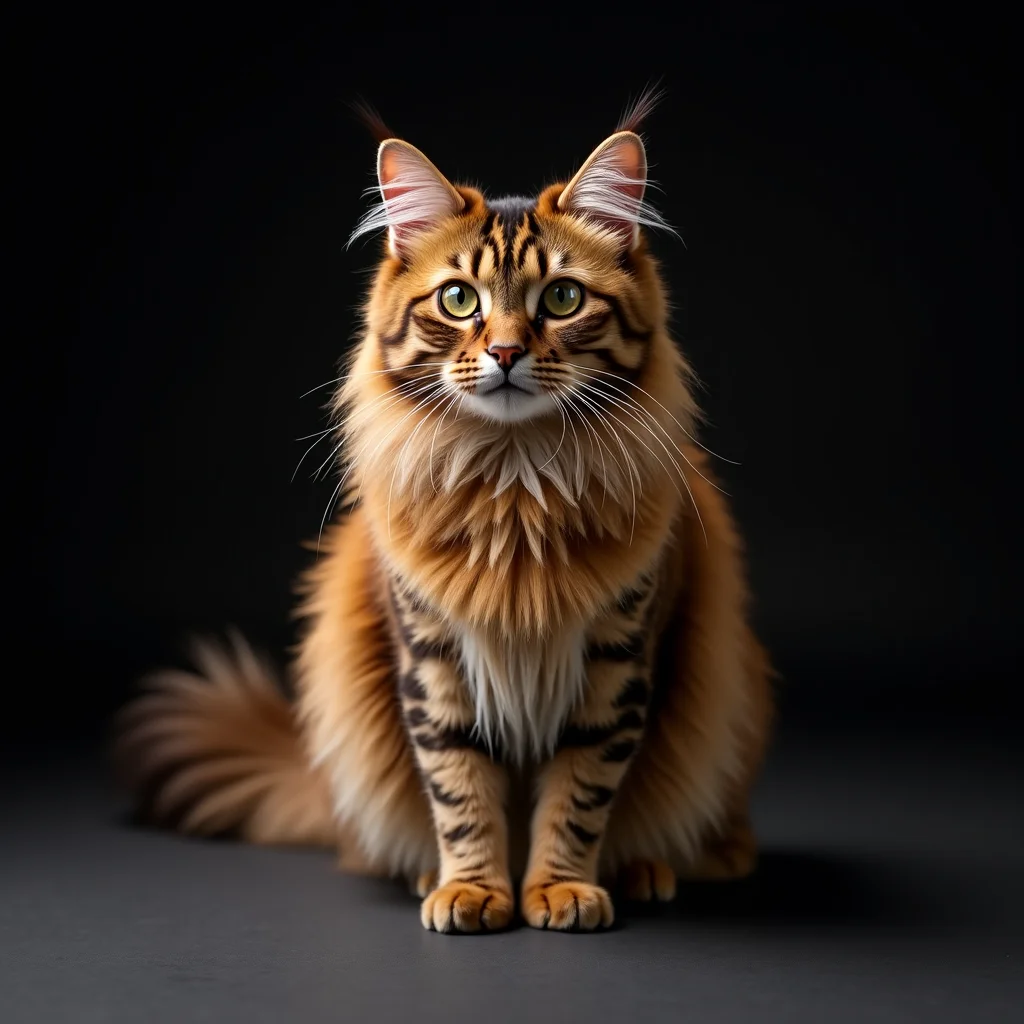
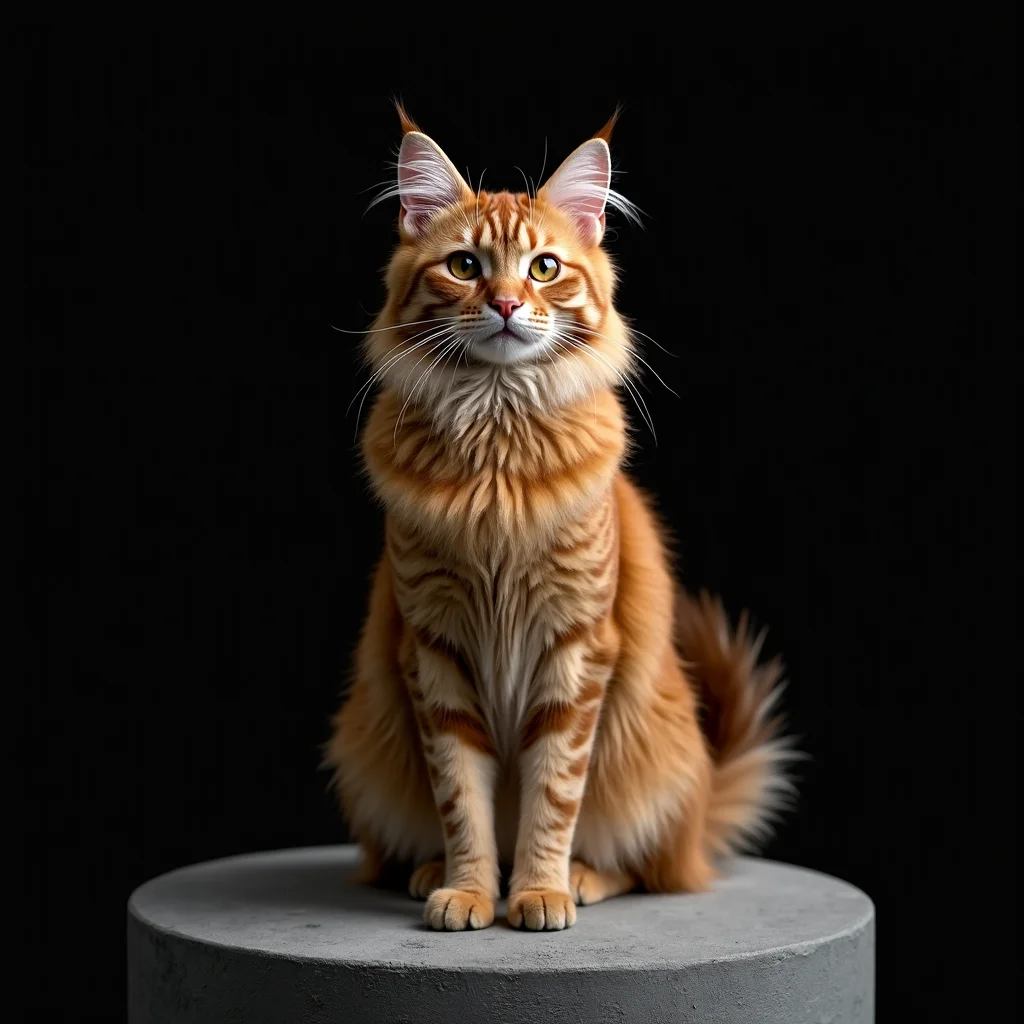
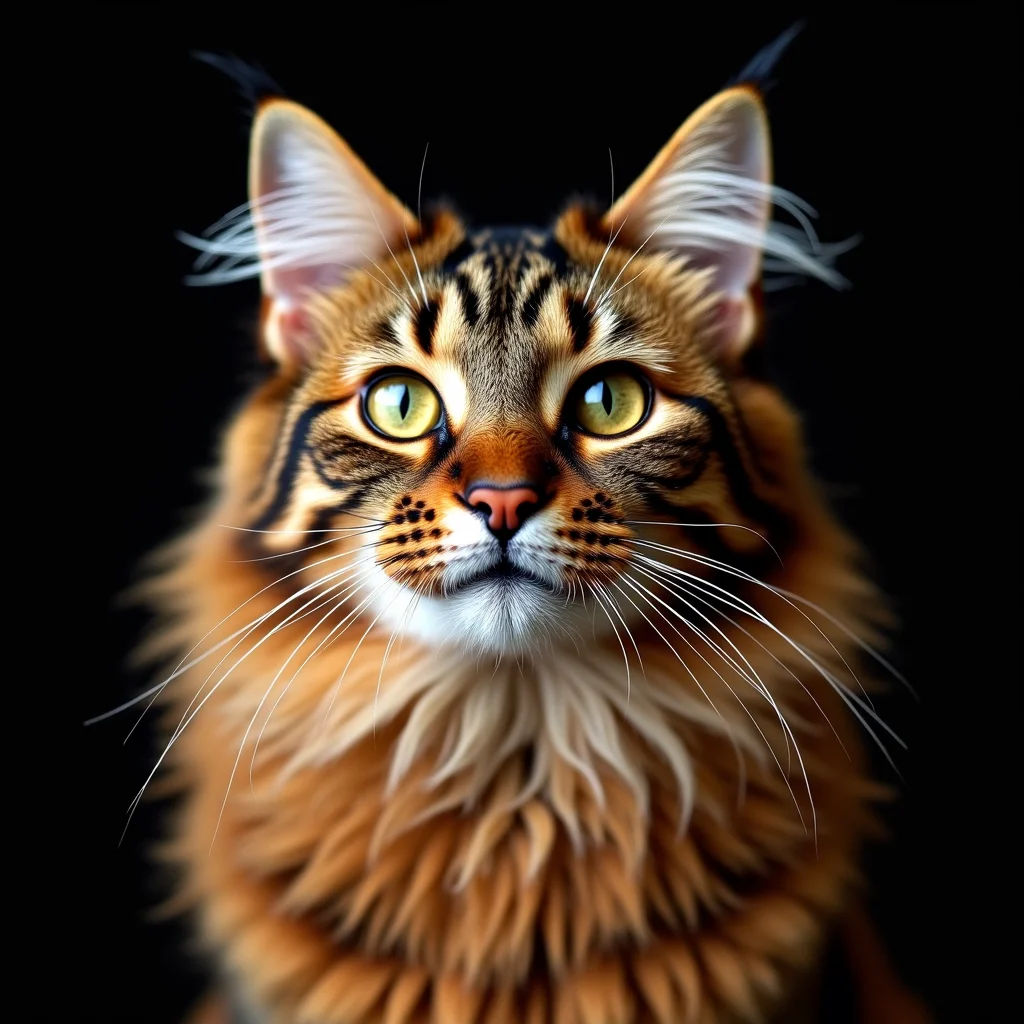
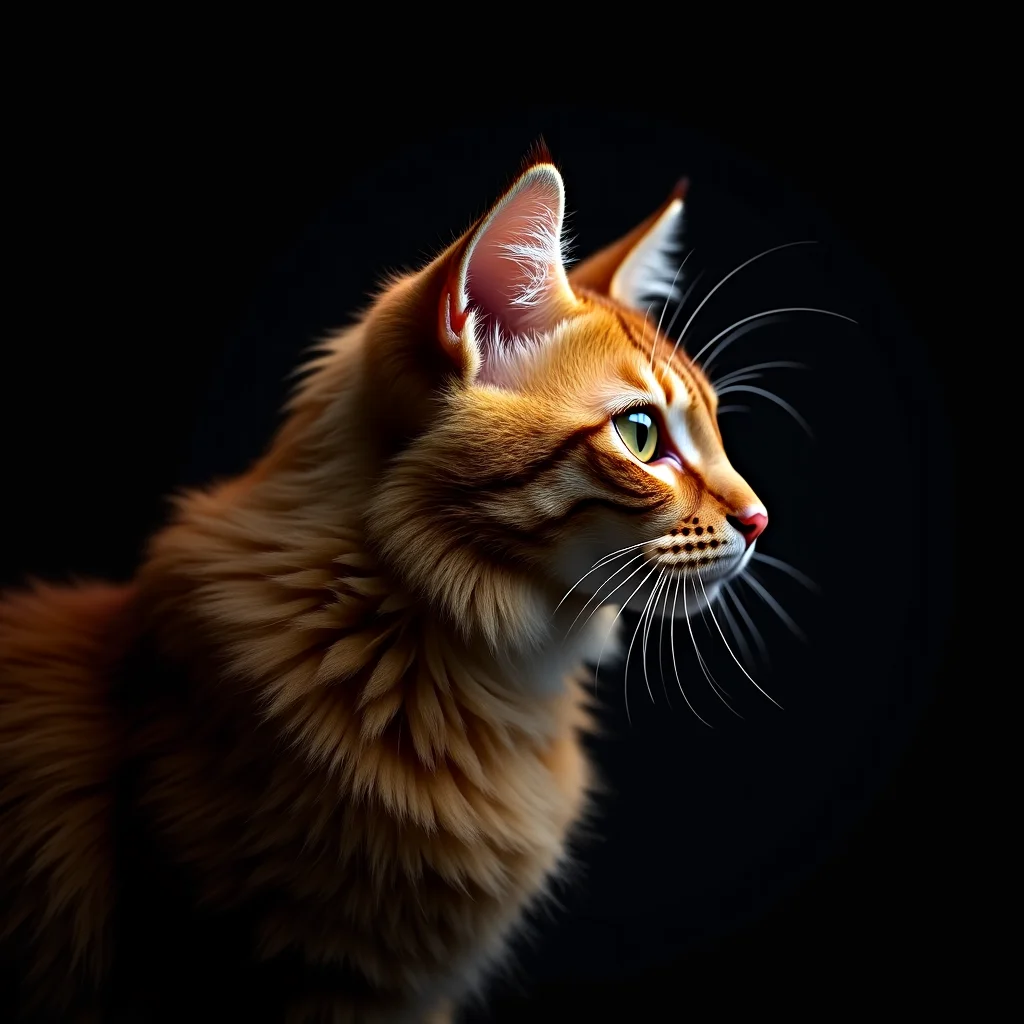
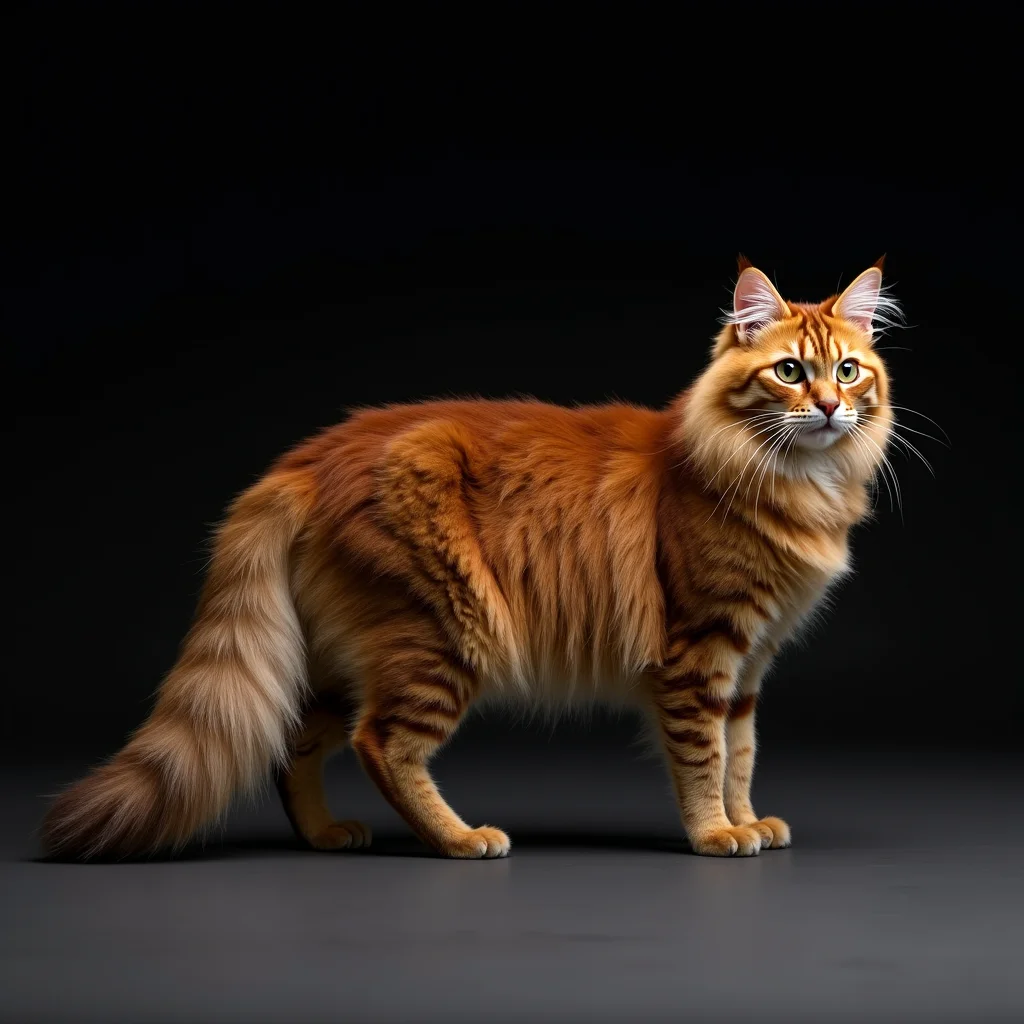
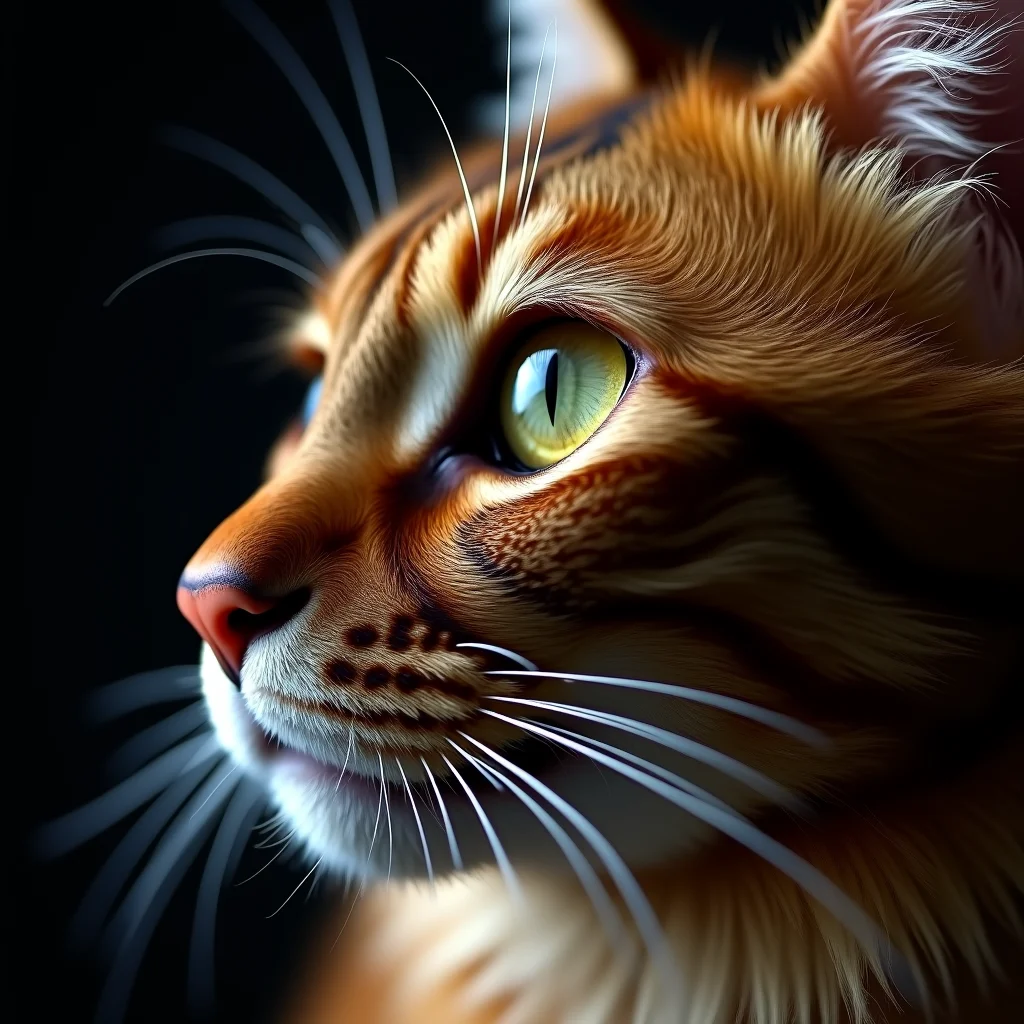
The Somali cat is a long-haired version of the Abyssinian, known for its fox-like appearance and bushy tail.
CARE INDEX
ECONOMICS & ORIGIN
SOCIAL COMPATIBILITY
RECOMMENDED CARE ITEMS
IDENTIFICATION TIP
"Identical build and ticking to an Abyssinian, but with long fur and a distinctly bushy, fox-like tail."
FREQUENTLY ASKED
Q. Are they part fox?
A. No, it's just their appearance. They are a purebred cat breed developed from the naturally occurring longhair gene in Abyssinians.
Q. Can they go for walks?
A. Yes, many Somalis are bold enough to enjoy walks on a harness. However, safety and a secure environment should always be the priority.
Q. Do they shed much?
A. They shed a moderate amount. While their silky coat is less prone to matting than other longhairs, they still require regular brushing to manage loose fur and maintain their tail's plume.
Q. Do they knock things over?
A. Somalis are very curious and dexterous with their paws. They may explore high shelves and 'test' gravity by batting objects off, so keeping valuables secure is wise.
Q. Do they tolerate being alone?
A. They are people-oriented and crave involvement. Long periods of solitude can lead to boredom and destructive behavior. They thrive best in homes where they have company.
OFFICIAL RECOGNITION
REFERENCES & SOURCES
* This guide describes general breed characteristics. For medical decisions, always consult a professional veterinarian.