IDEAL FOR
- + Connoisseurs who appreciate the rarest and most unique patterns in the feline world
- + Active owners who can provide the high level of engagement and exercise they crave
- + Experienced cat lovers dedicated to the preservation of a rare natural landrace
THINK TWICE IF
- - Individuals seeking a low-energy, independent, or sedentary companion
- - Homes where maintaining a consistently warm indoor temperature is difficult
- - Small apartments lacking the vertical space needed for their athletic leaps
MORPHOLOGY STUDY
HEALTH RISK ADVISORY
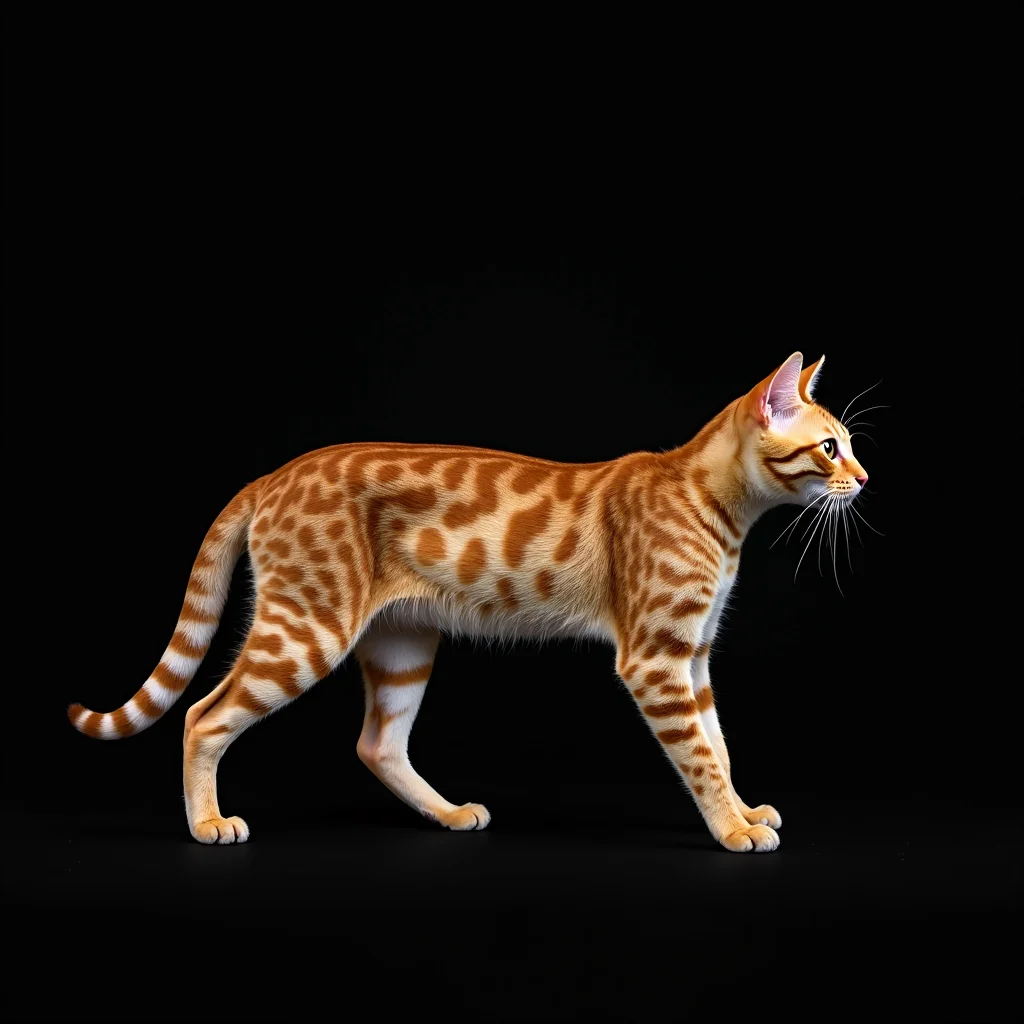
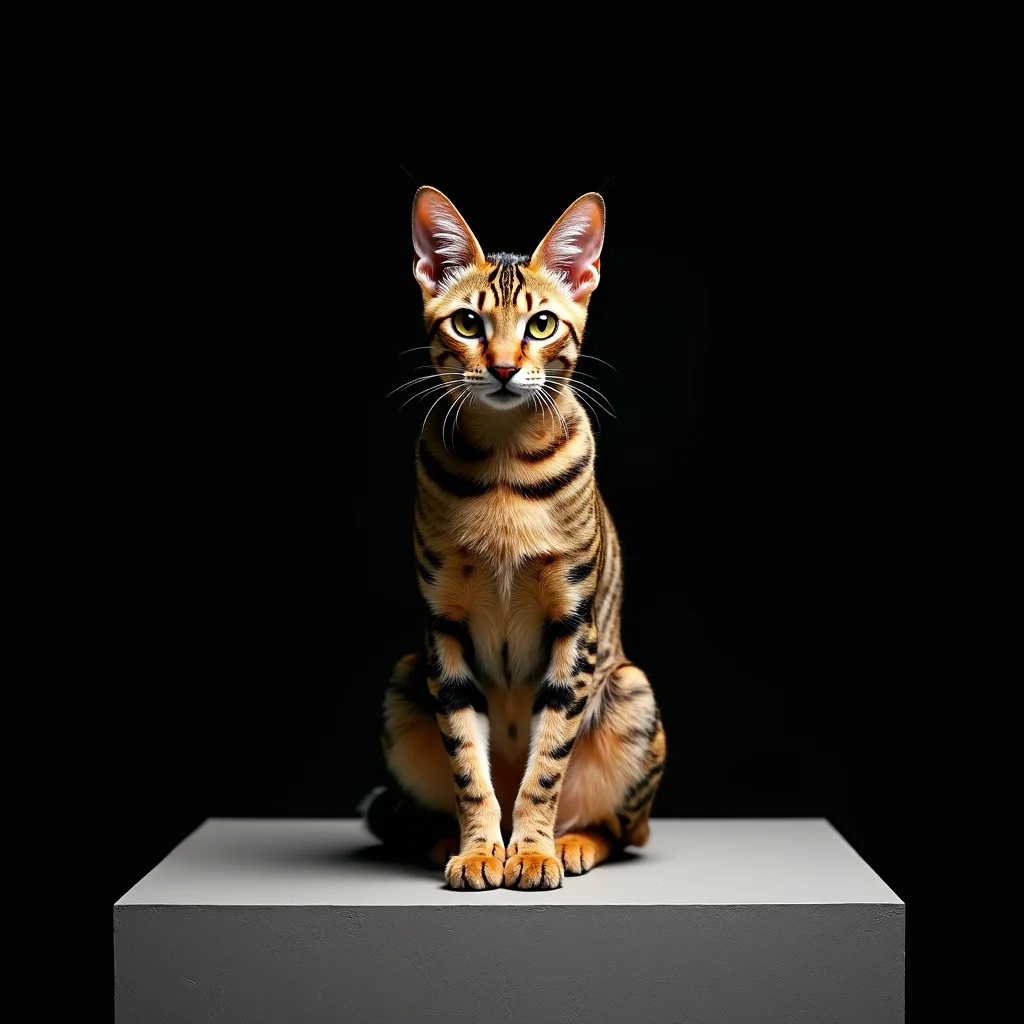
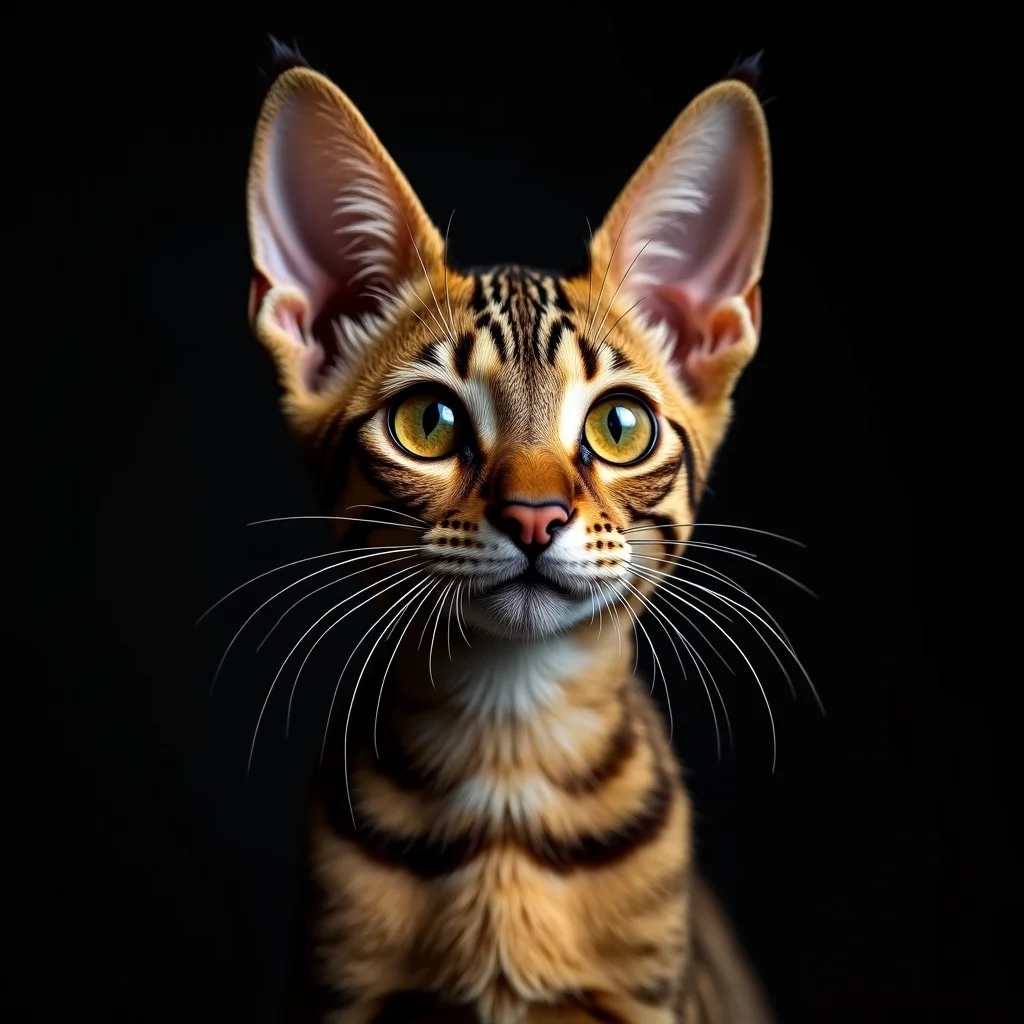
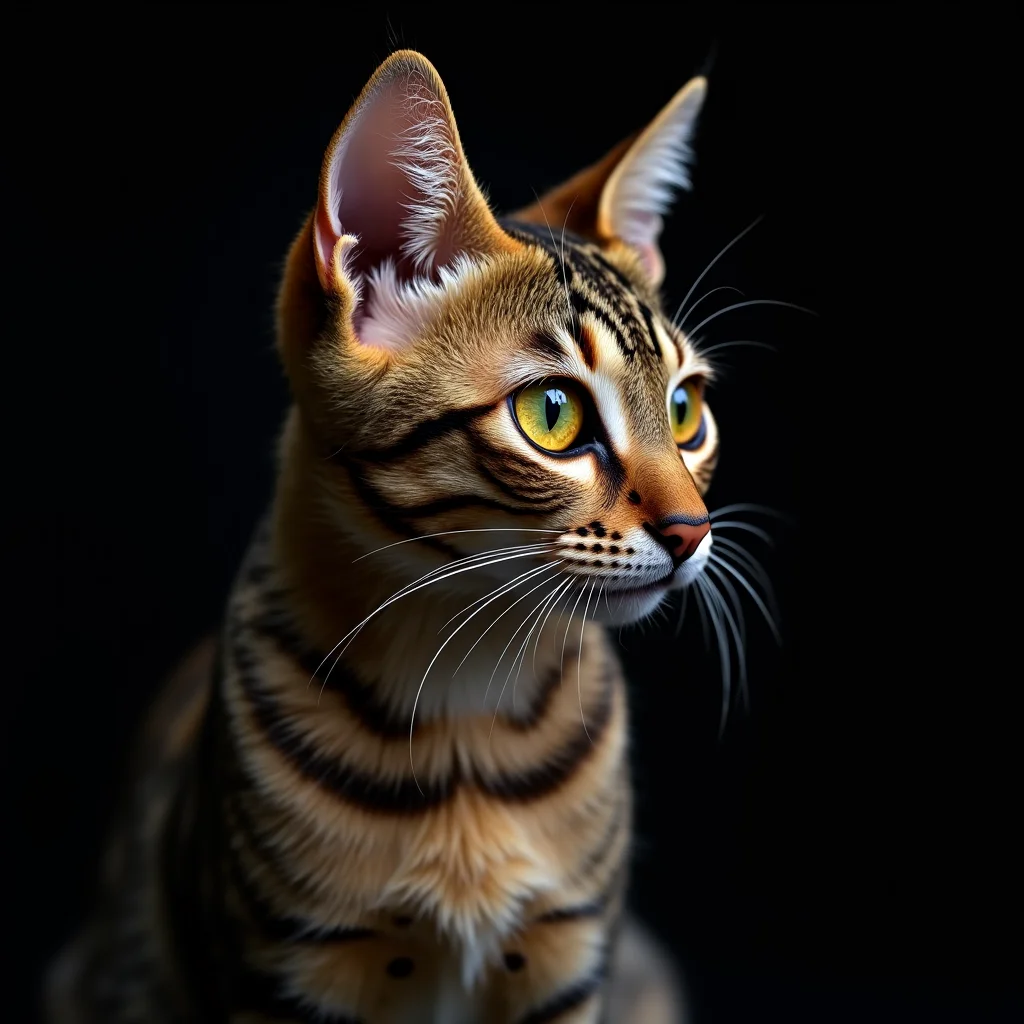
The Sokoke is a rare, natural breed of domestic cat from the Sokoke forest of Kenya, renowned for its unique 'wood-grain' tabby pattern and athletic grace.
CARE INDEX
ECONOMICS & ORIGIN
SOCIAL COMPATIBILITY
RECOMMENDED CARE ITEMS
IDENTIFICATION TIP
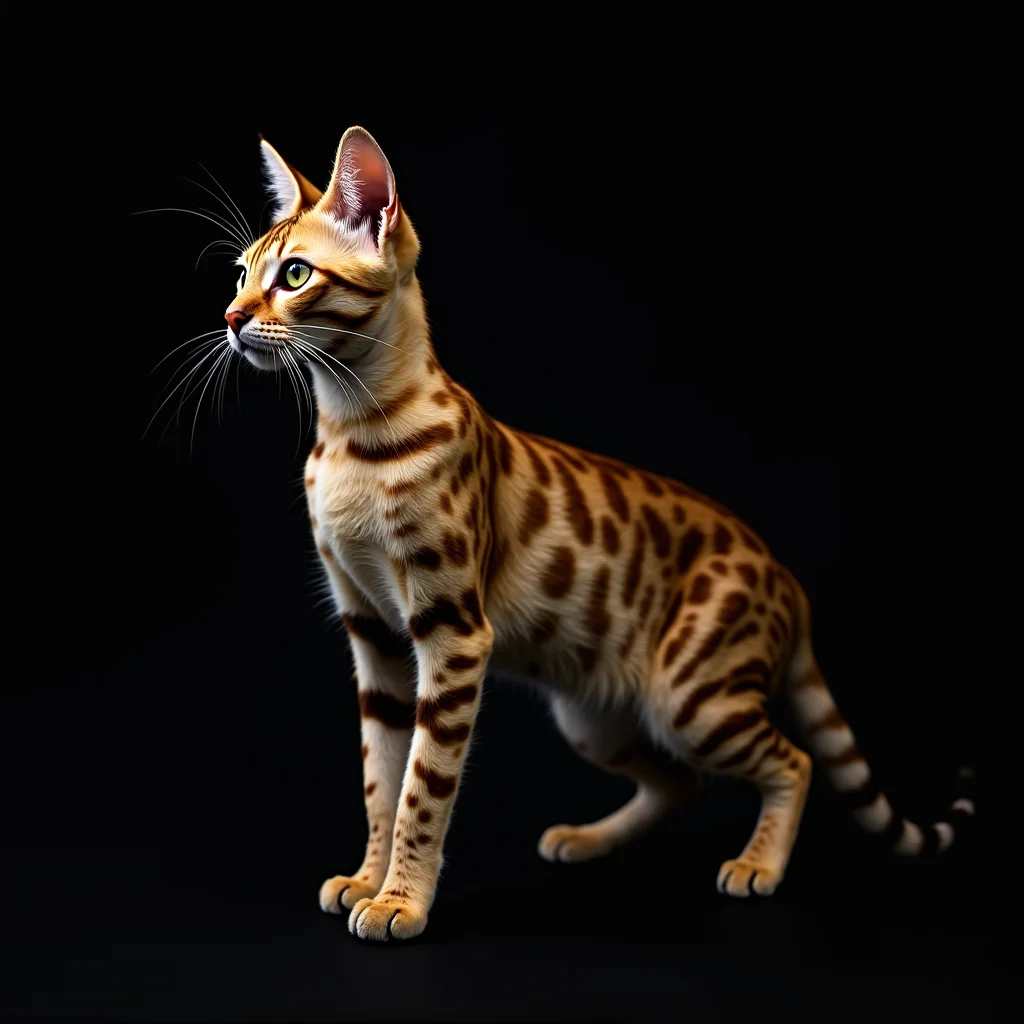
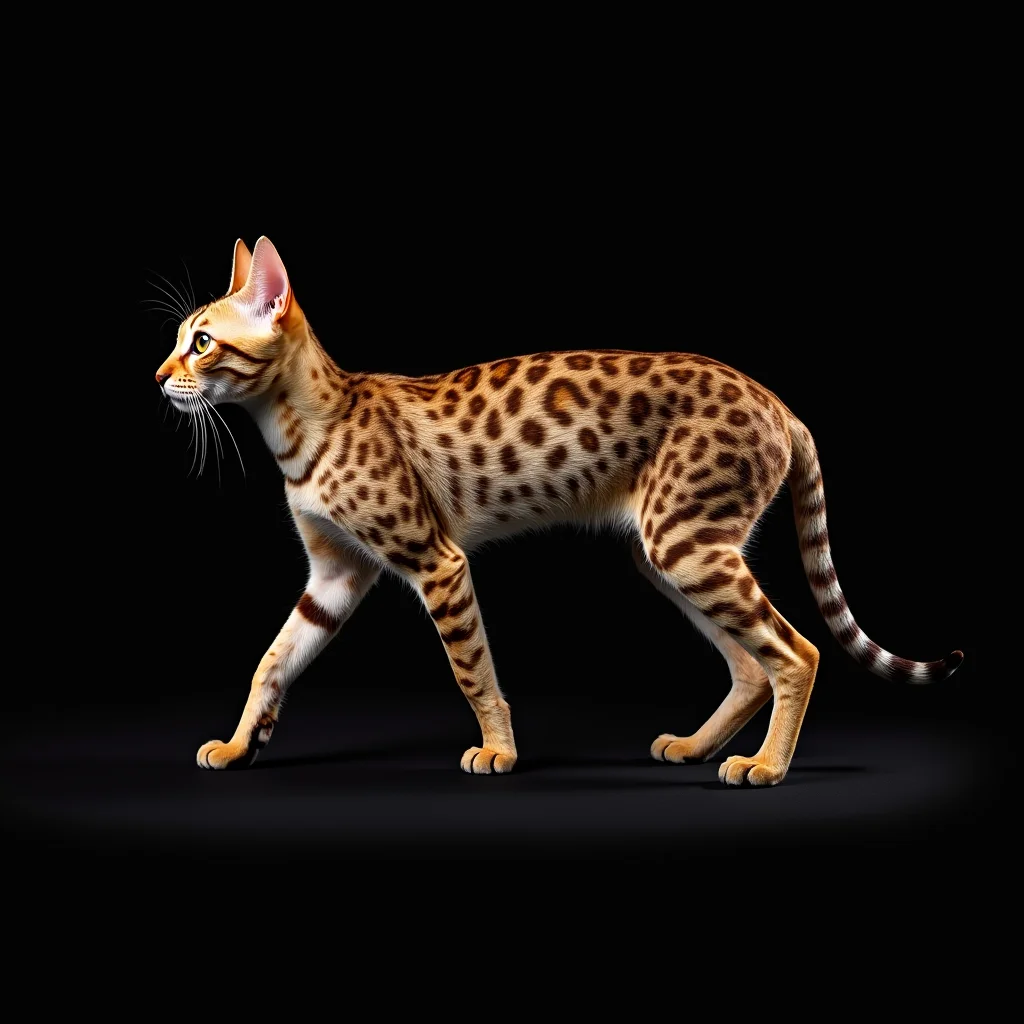
"Distinguish from Bengals or other tabbies by their intricate 'wood-grain' pattern and their unique long-legged, tip-toe stance."
FREQUENTLY ASKED
Q. Is the pattern really like tree bark?
A. Yes, the 'wood-grain' tabby is unique to Sokokes. It looks like the intricate rings of a cross-sectioned tree or the texture of sanded wood.
Q. Are they wild cats?
A. They are a natural landrace developed in the wild, but they are fully domestic cats recognized by major registries for their social and home-friendly temperament.
Q. Do they like water?
A. Yes, many Sokokes are confident swimmers and are fascinated by water. It is not uncommon for them to join their owners in the bathroom or play in sinks.
Q. Do they really walk on tip-toe?
A. Their hind legs are longer than their front legs, giving them a distinct 'tip-toe' gait. This unique anatomy allows for incredible speed and powerful leaps.
Q. How rare are they?
A. They are considered one of the rarest breeds globally, with only a few hundred registered worldwide. Finding a reputable breeder often involves international searching and long waitlists.
OFFICIAL RECOGNITION
REFERENCES & SOURCES
* This guide describes general breed characteristics. For medical decisions, always consult a professional veterinarian.