IDEAL FOR
- + Individuals living in small homes seeking an intelligent and loving companion
- + Owners who enjoy high levels of interaction and constant physical presence
- + Fanciers who appreciate the beauty and rarity of a unique 'pocket cat'
THINK TWICE IF
- - Active households with toddlers or large dogs where the cat could be accidentally injured
- - Owners who prefer a more independent or hands-off pet
- - Environment where maintaining a consistent warm temperature is difficult
MORPHOLOGY STUDY
HEALTH RISK ADVISORY
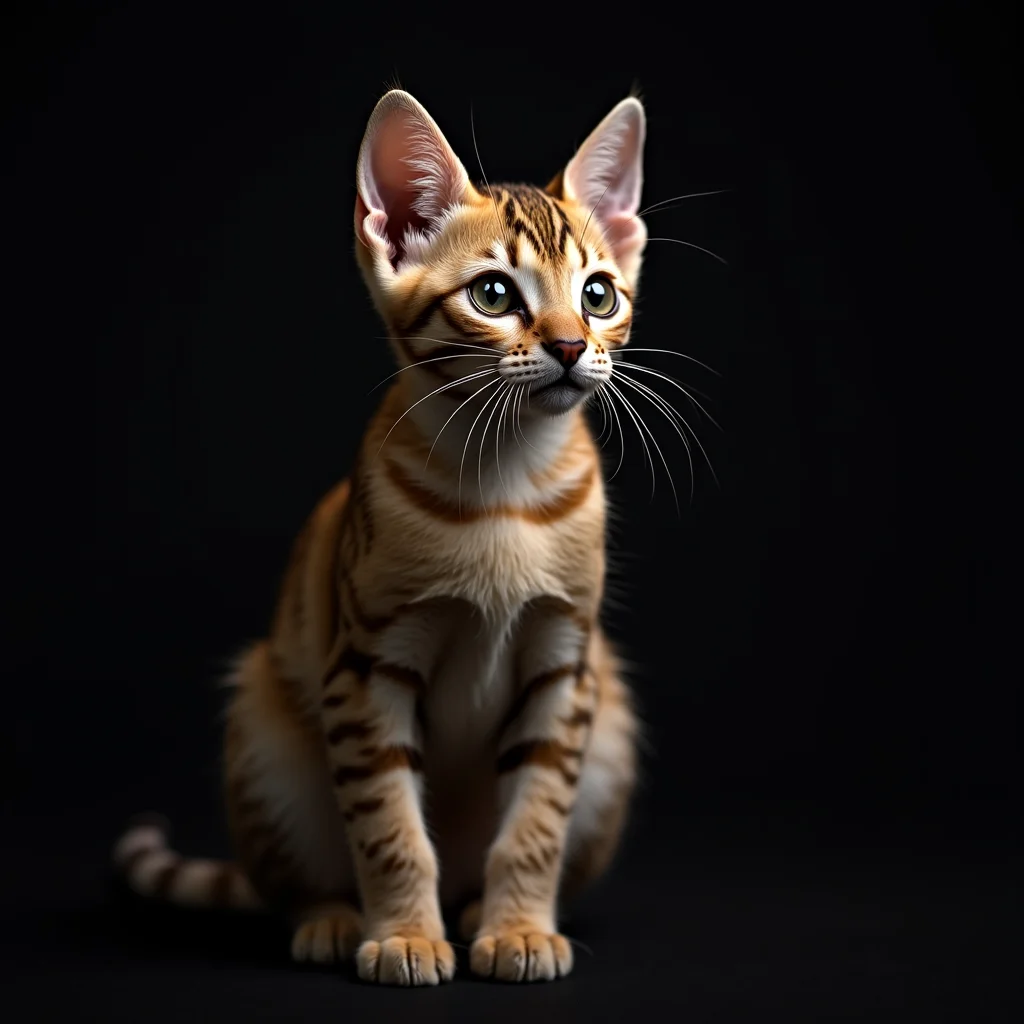
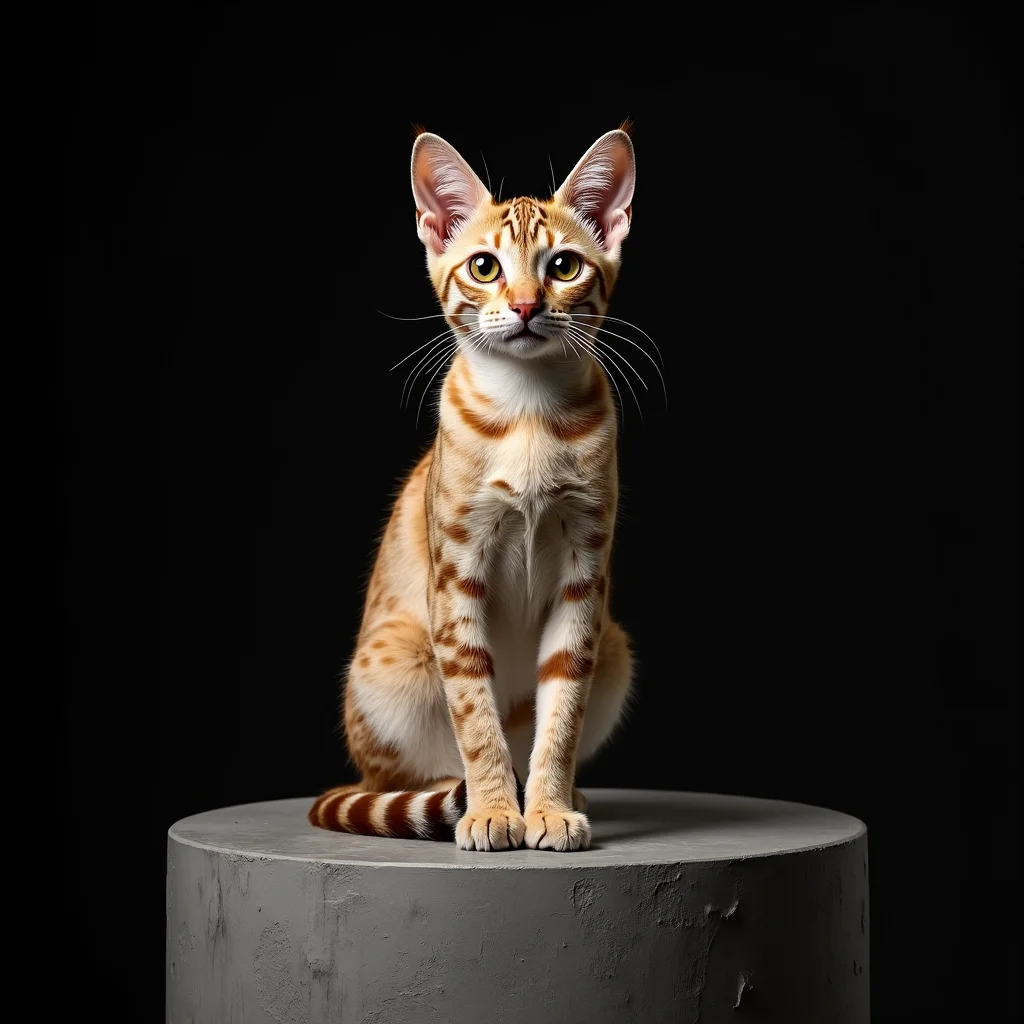
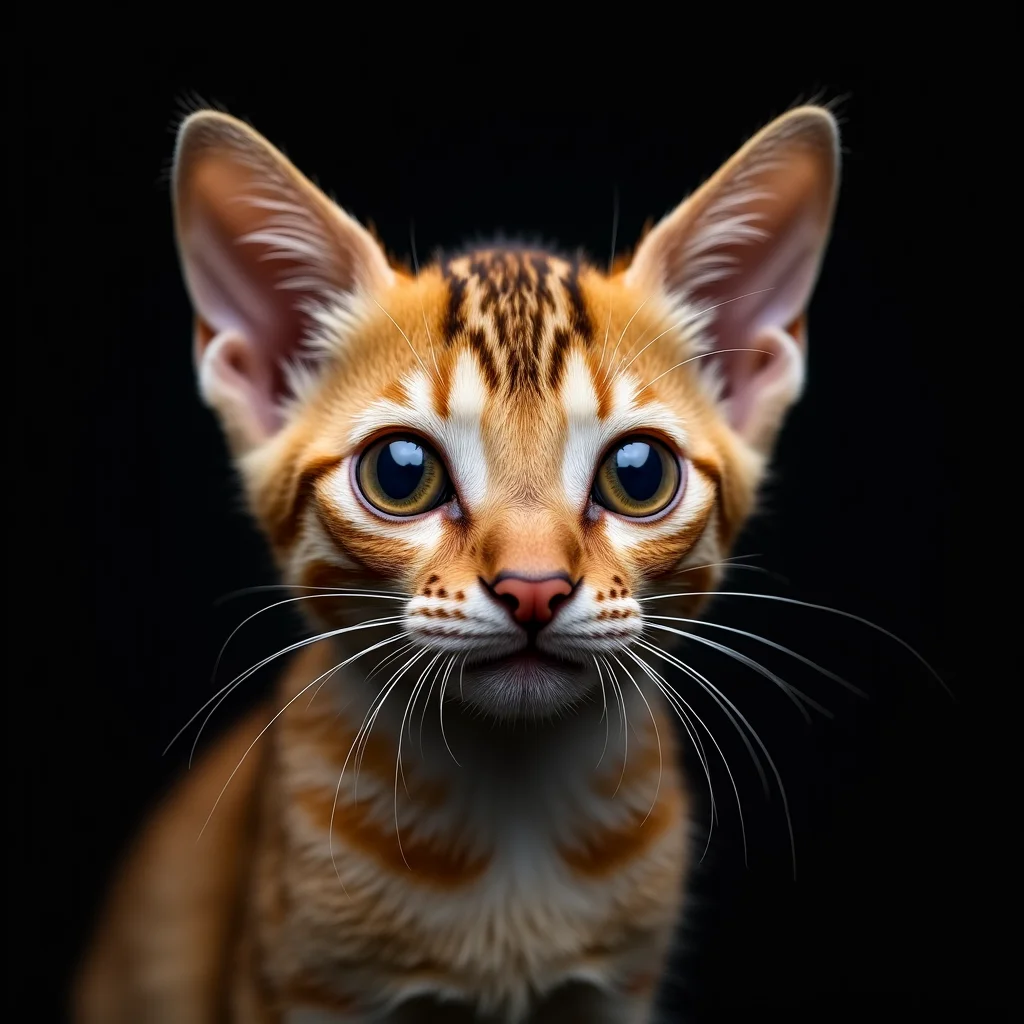
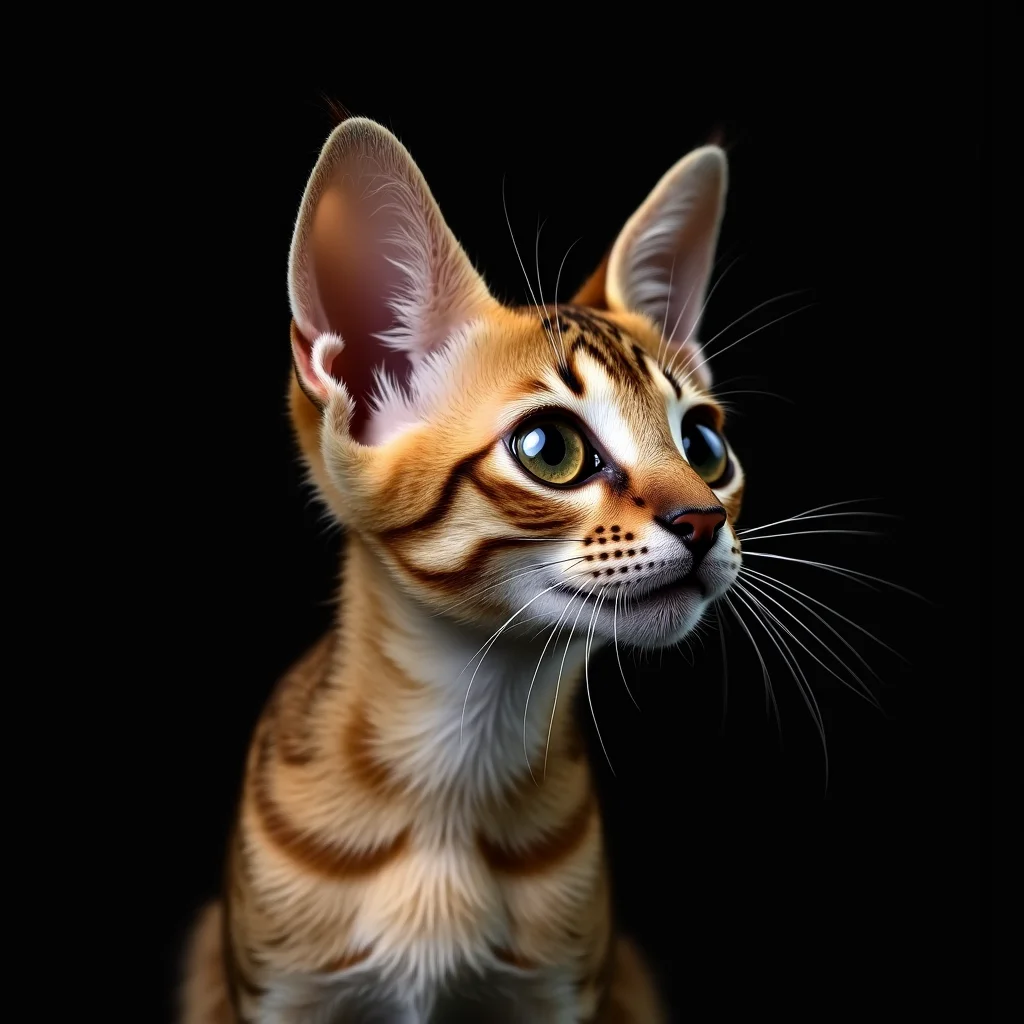
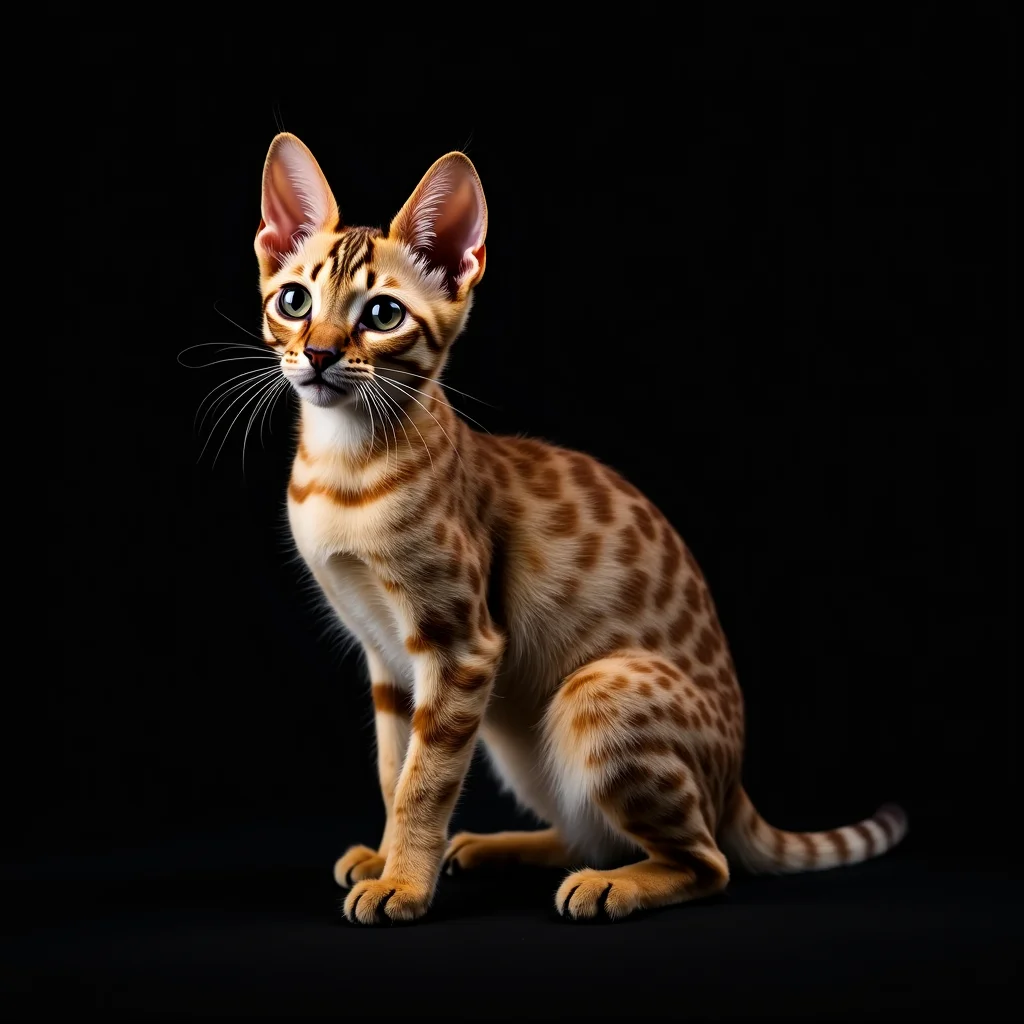
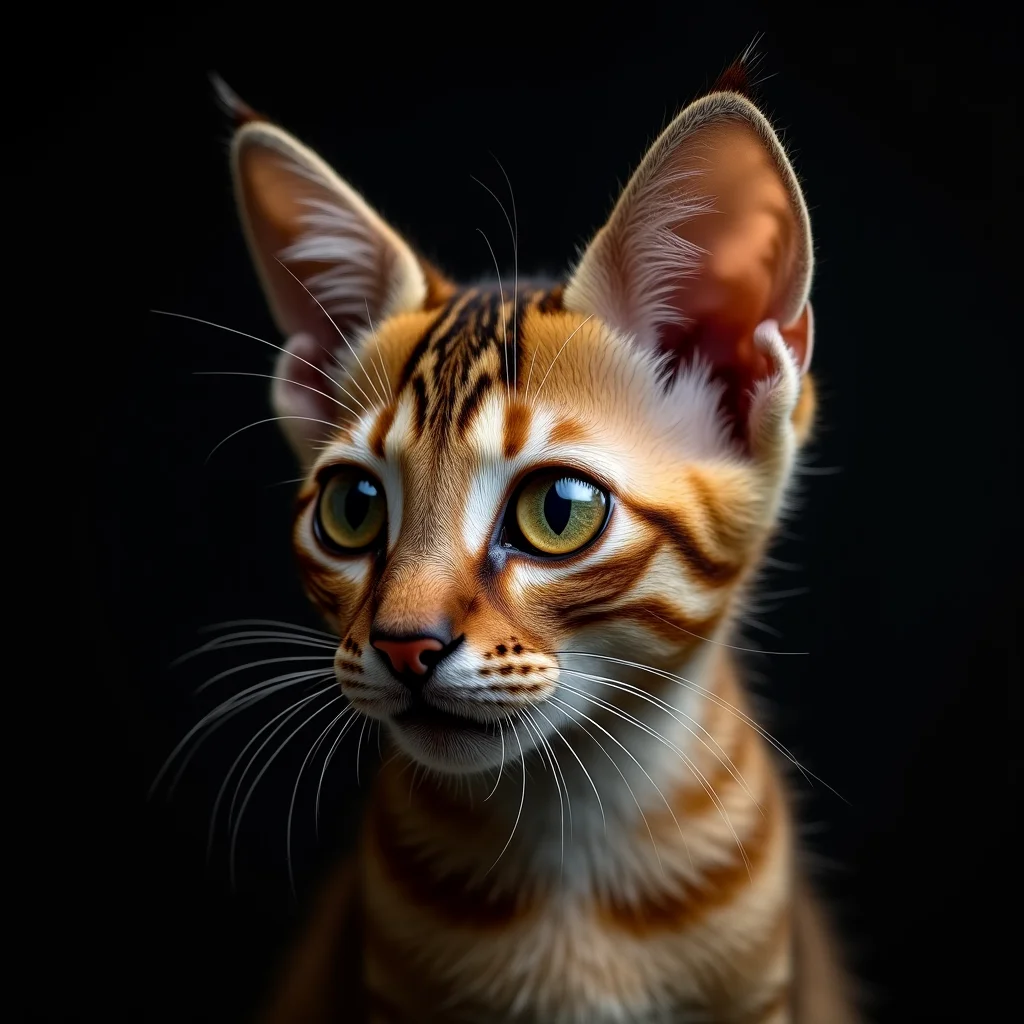
The Singapura is the smallest recognized breed of domestic cat, famous for its large expressive eyes, big ears, and beautiful sepia-ticked coat.
CARE INDEX
ECONOMICS & ORIGIN
SOCIAL COMPATIBILITY
RECOMMENDED CARE ITEMS
IDENTIFICATION TIP
"Smaller than an Abyssinian with larger eyes and ears proportional to the body, and distinct 'mascara' eyeliner markings."
FREQUENTLY ASKED
Q. Do they really stay that small as adults?
A. Yes, females often weigh just over 2kg, and males rarely exceed 3.5kg. They are about half the size of an average domestic cat.
Q. Do they get along with other cats?
A. Yes, despite their size, they are very confident and social. They usually integrate well into multi-cat households.
Q. Are they vocal?
A. They have very tiny, sweet voices. While not loud, they are expressive and will use subtle vocalizations to communicate with you.
Q. Are they hypoallergenic?
A. Not officially, but because they are so small and have very short fur, the total amount of dander produced is lower than that of larger cats.
Q. Are they sensitive to cold?
A. Extremely. With low body fat and a short coat, they lose heat quickly. Heated beds or sweaters are highly recommended during winter.
OFFICIAL RECOGNITION
REFERENCES & SOURCES
* This guide describes general breed characteristics. For medical decisions, always consult a professional veterinarian.