IDEAL FOR
- + People with cat allergies who still wish to share their home with a feline
- + Owners who prefer a dog-like, brave, and social temperament
- + Homes with children or multiple pets
THINK TWICE IF
- - Owners who cannot commit to daily grooming and cleaning fur
- - Living in a small studio apartment where a large active cat may feel cramped
- - People with a limited budget for high-end pedigree adoption
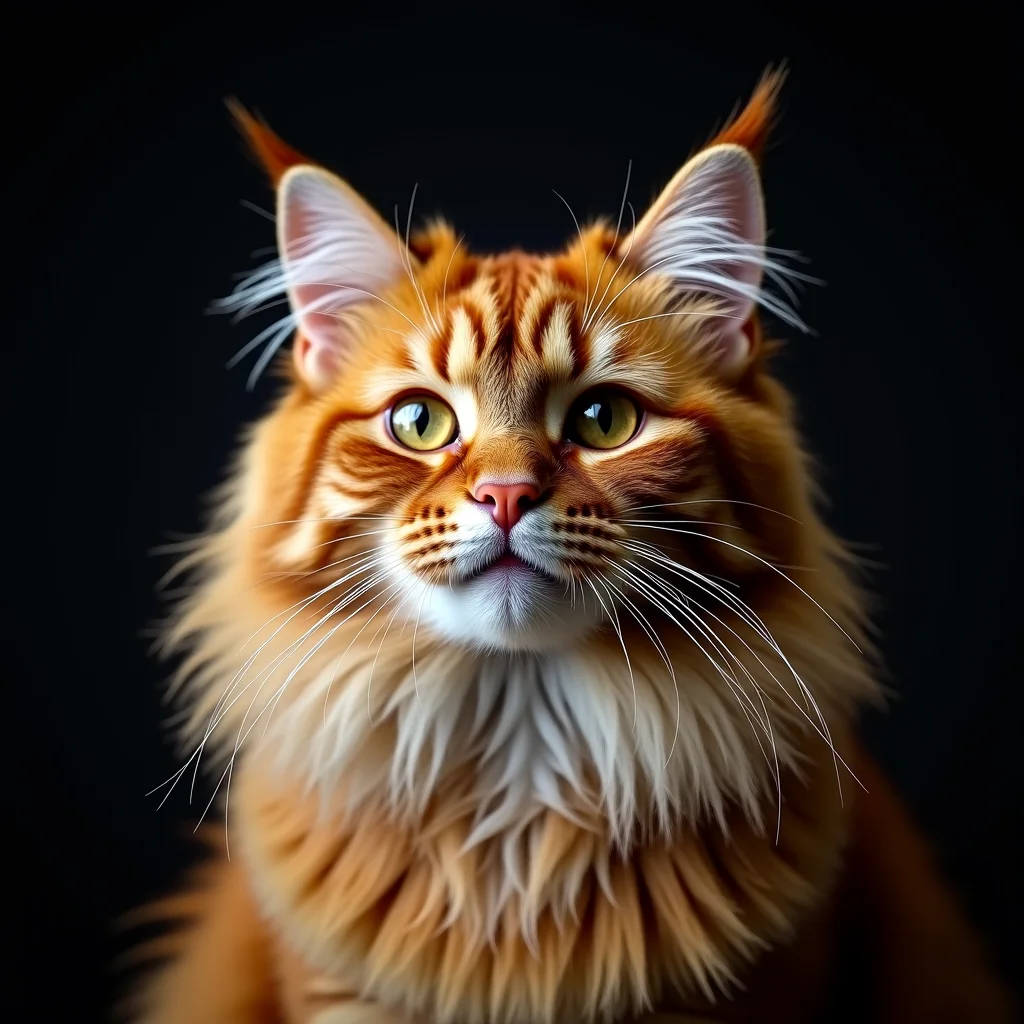
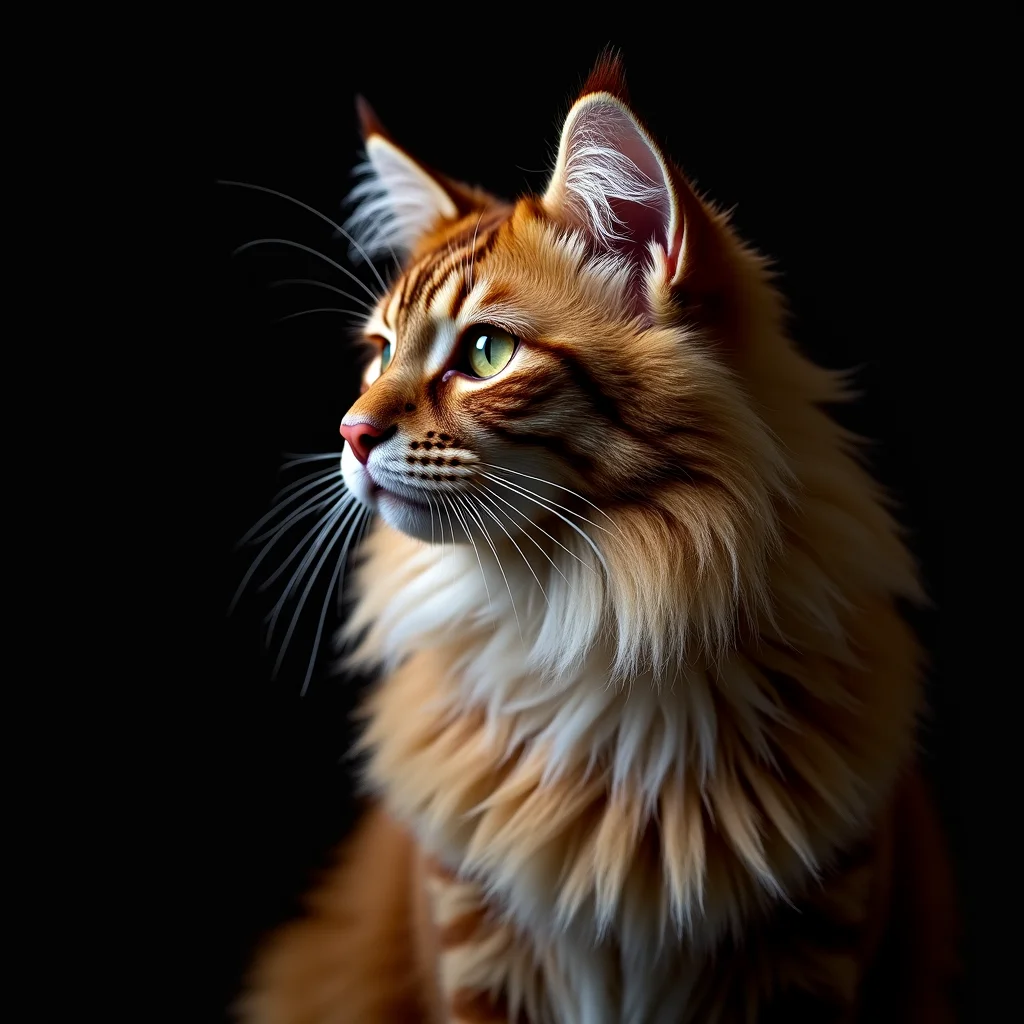
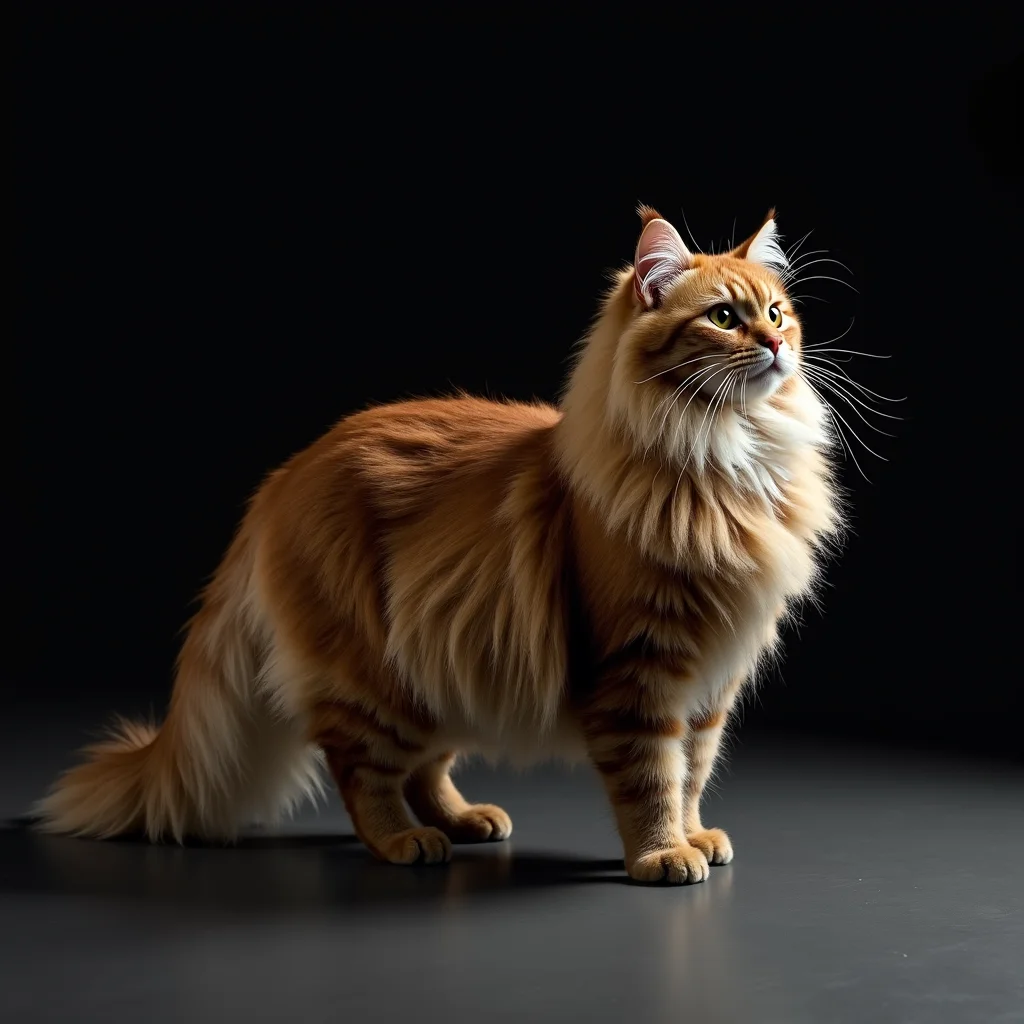
MORPHOLOGY STUDY
HEALTH RISK ADVISORY
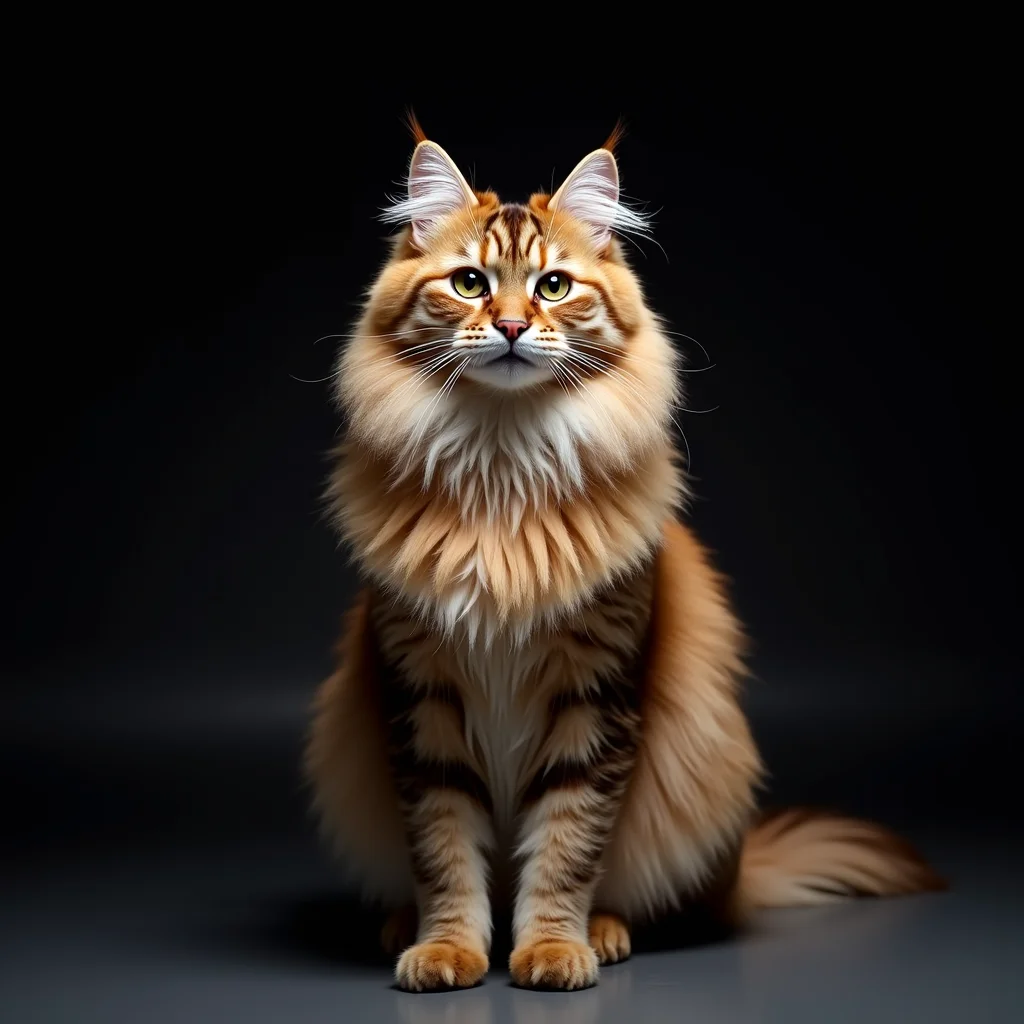
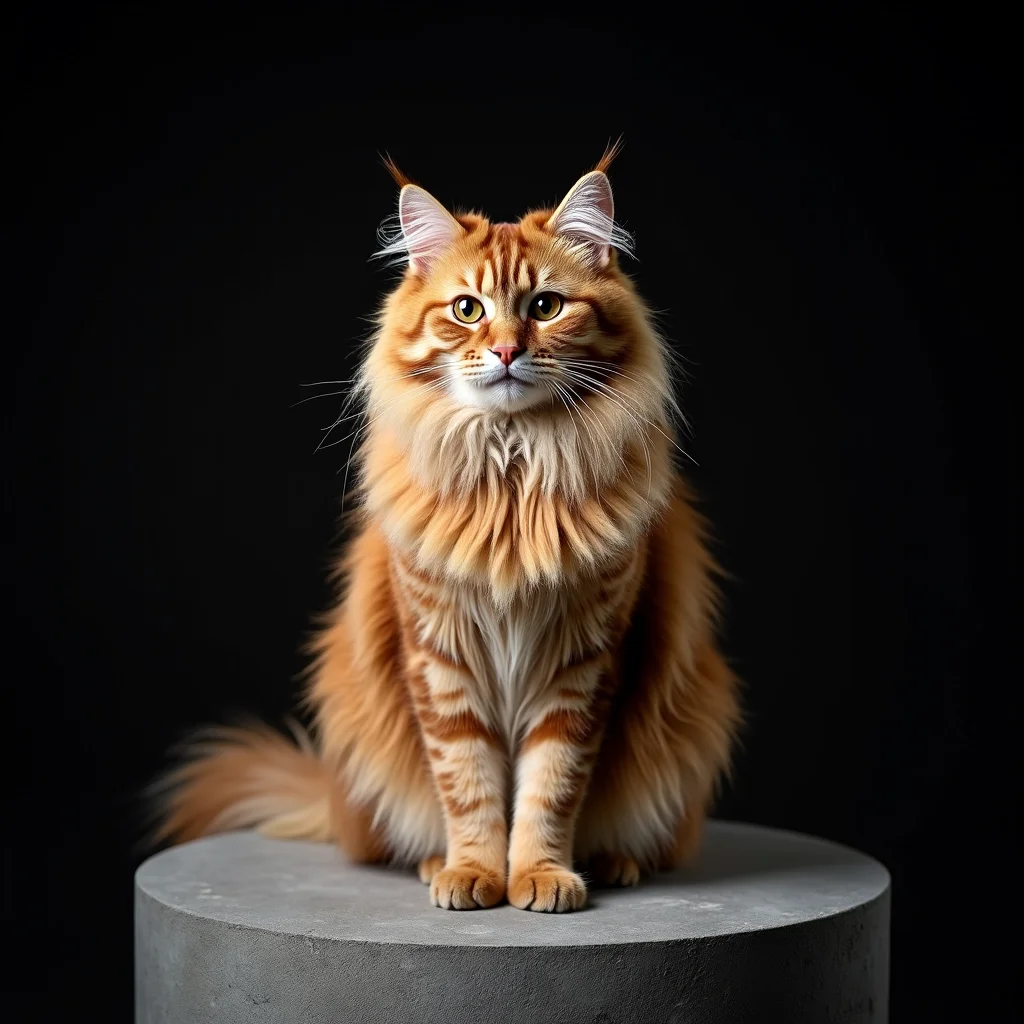
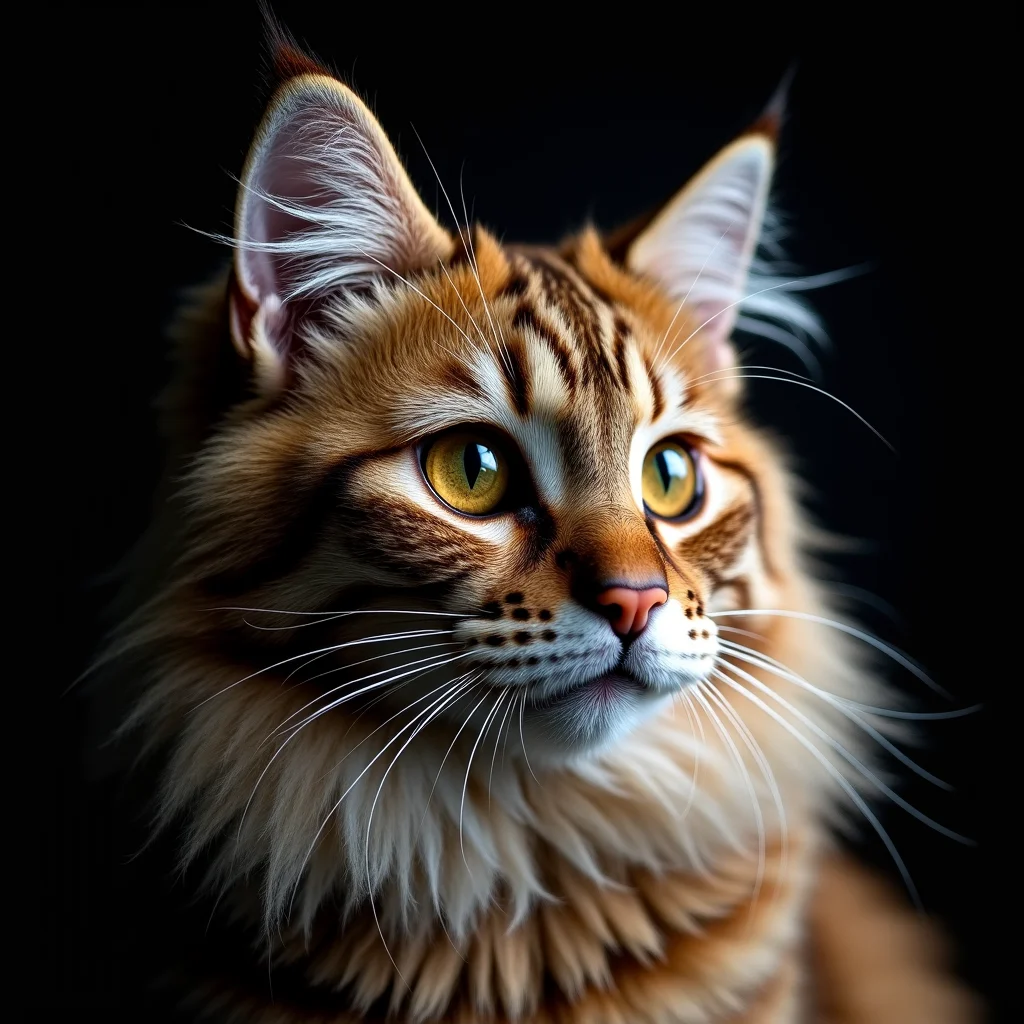
The Siberian is a centuries-old landrace of domestic cat in Russia and recently developed as a formal breed.
CARE INDEX
ECONOMICS & ORIGIN
SOCIAL COMPATIBILITY
RECOMMENDED CARE ITEMS
IDENTIFICATION TIP
"Rounder face and softer eye expression than a Norwegian Forest Cat; overall build is sturdier and more substantial."
FREQUENTLY ASKED
Q. Are they truly hypoallergenic?
A. Siberians produce much less Fel d 1 protein than other breeds. While not 'allergy-free', many sufferers tolerate them well. Always test with a direct encounter before adoption.
Q. Do they suffer in the summer?
A. Their thick triple coat makes them sensitive to heat. Providing air conditioning and cooling mats is essential during hot seasons to prevent heatstroke.
Q. Do they like water?
A. Many Siberians have a fascination with water, a trait inherited from their ancestors who lived near rivers. They may play in sinks or even try to join you in the shower.
Q. Why do they grow so slowly?
A. As a large, natural breed, it takes about 5 years for their skeletal and muscle structure to fully mature. This slow growth contributes to their robust health and impressive size.
Q. Do they shed a lot?
A. Yes, their dense triple coat results in significant shedding. During seasonal transitions, they lose a large amount of undercoat, requiring daily brushing to manage the loose fur.
OFFICIAL RECOGNITION
REFERENCES & SOURCES
* This guide describes general breed characteristics. For medical decisions, always consult a professional veterinarian.