IDEAL FOR
- + Owners looking for a quiet and affectionate indoor companion
- + People fully aware of genetic issues and committed to lifelong care
- + Homes with children or other pets
THINK TWICE IF
- - Owners concerned about medical costs and care for genetic disorders
- - People who want a highly active or athletic cat
- - Those who may find regular ear cleaning or supplement routines burdensome
MORPHOLOGY STUDY
HEALTH RISK ADVISORY
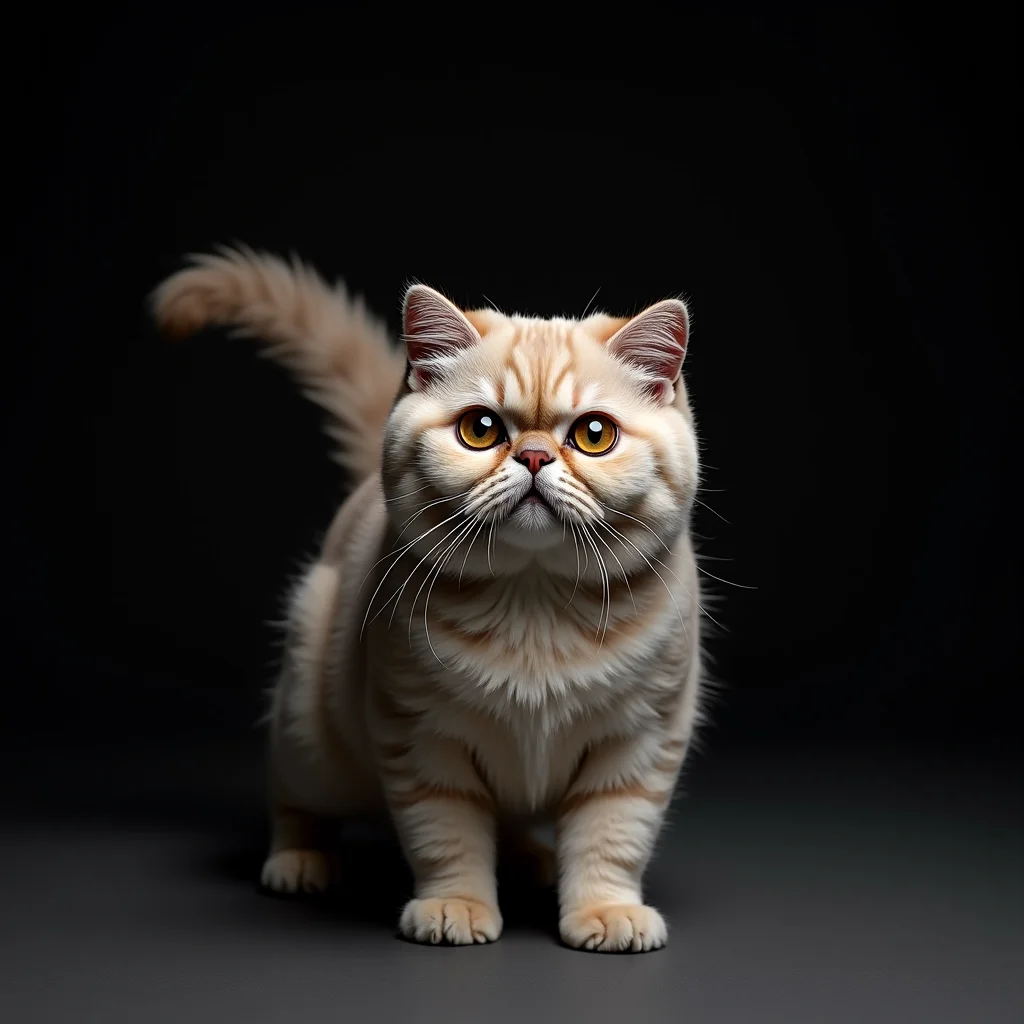
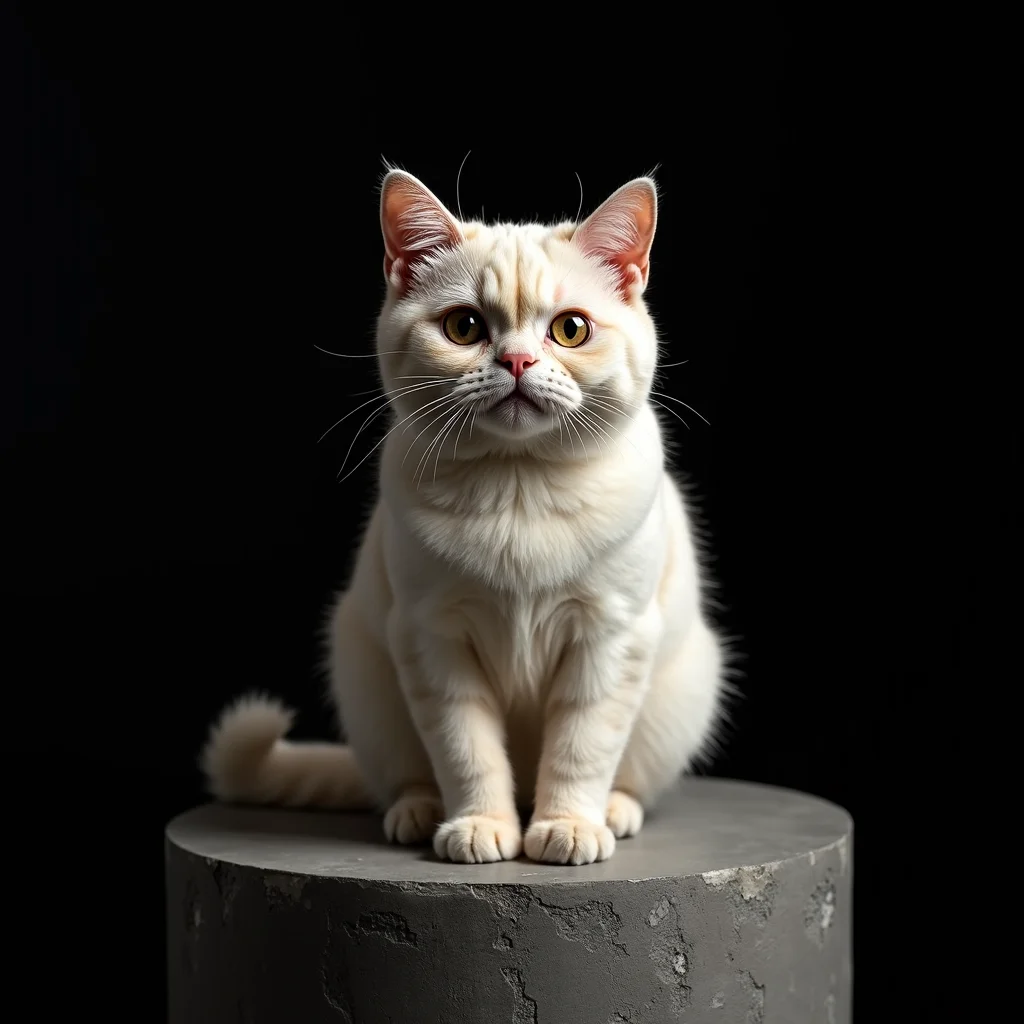
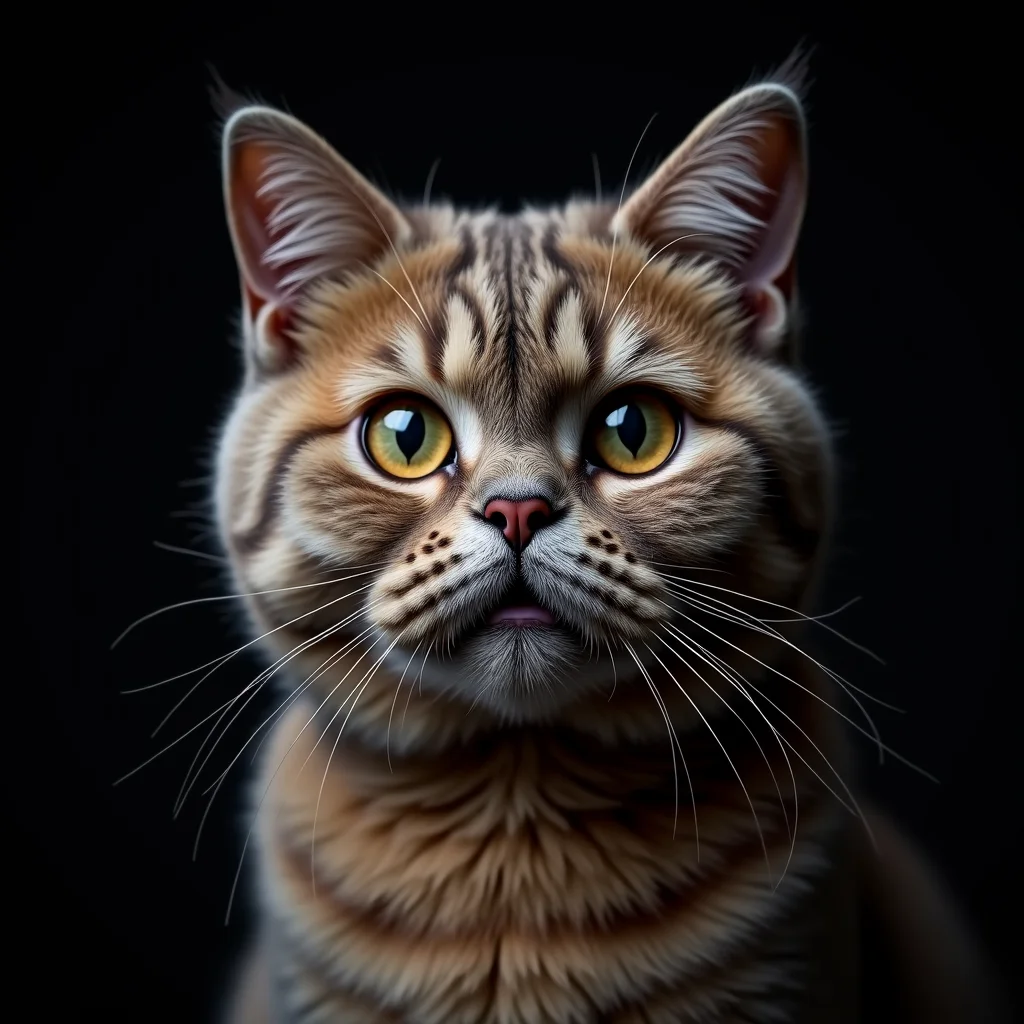
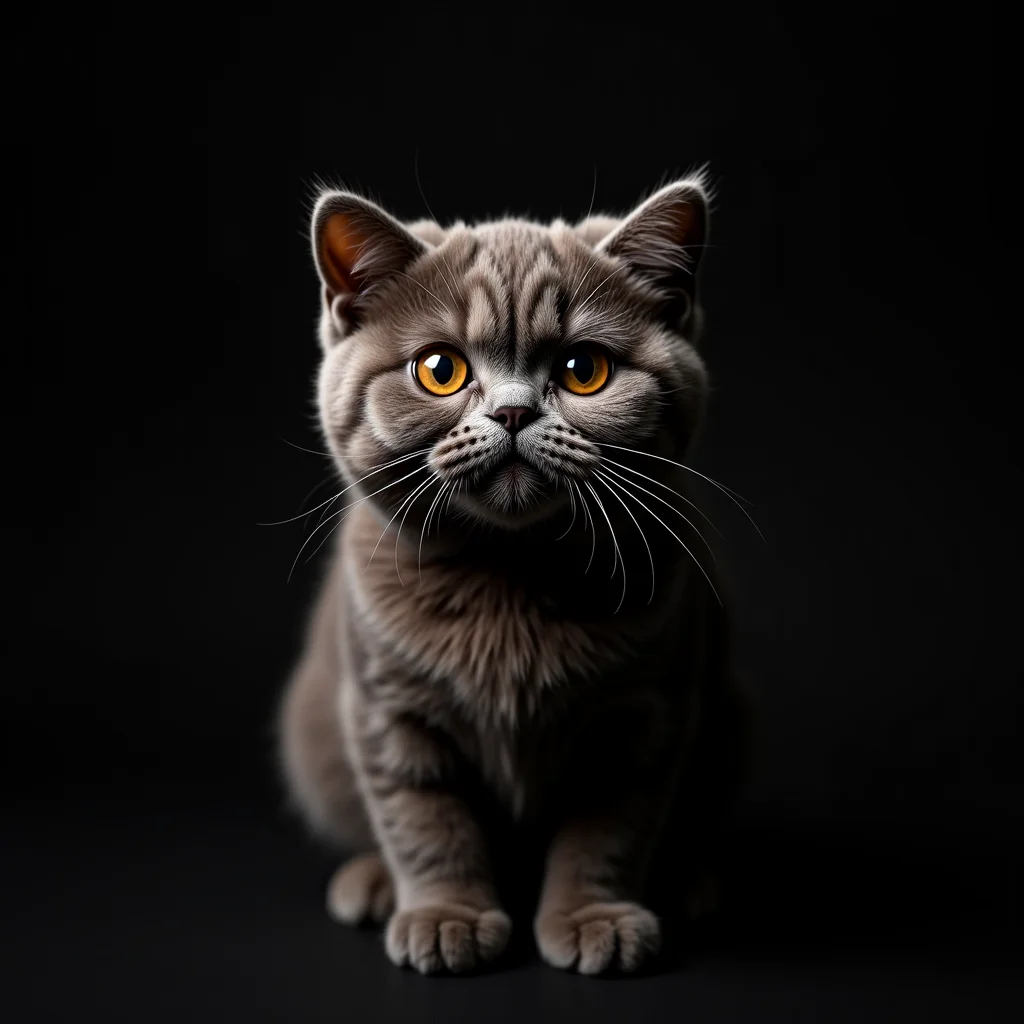
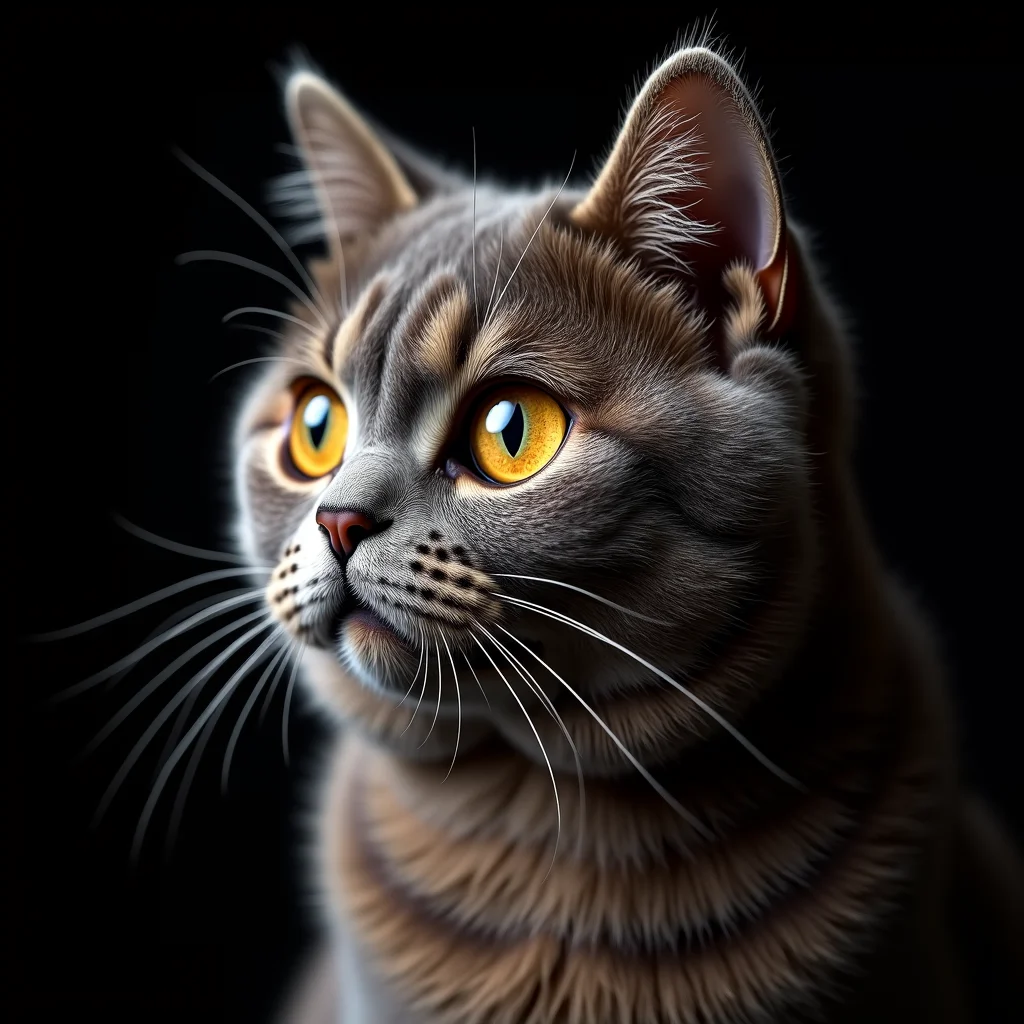
The Scottish Fold is a breed of domestic cat with a natural dominant-gene mutation that affects cartilage throughout the body, causing the ears to 'fold'.
CARE INDEX
ECONOMICS & ORIGIN
SOCIAL COMPATIBILITY
RECOMMENDED CARE ITEMS
IDENTIFICATION TIP
"Resembles the British Shorthair but check if the ears fold forward and if the tail and joints remain flexible."
FREQUENTLY ASKED
Q. Are there Folds without folded ears?
A. Yes, they are called 'Scottish Straights'. Breeding a Straight with a Fold is the standard practice to reduce the risk of genetic health issues.
Q. Why do they have such a human-like sitting posture?
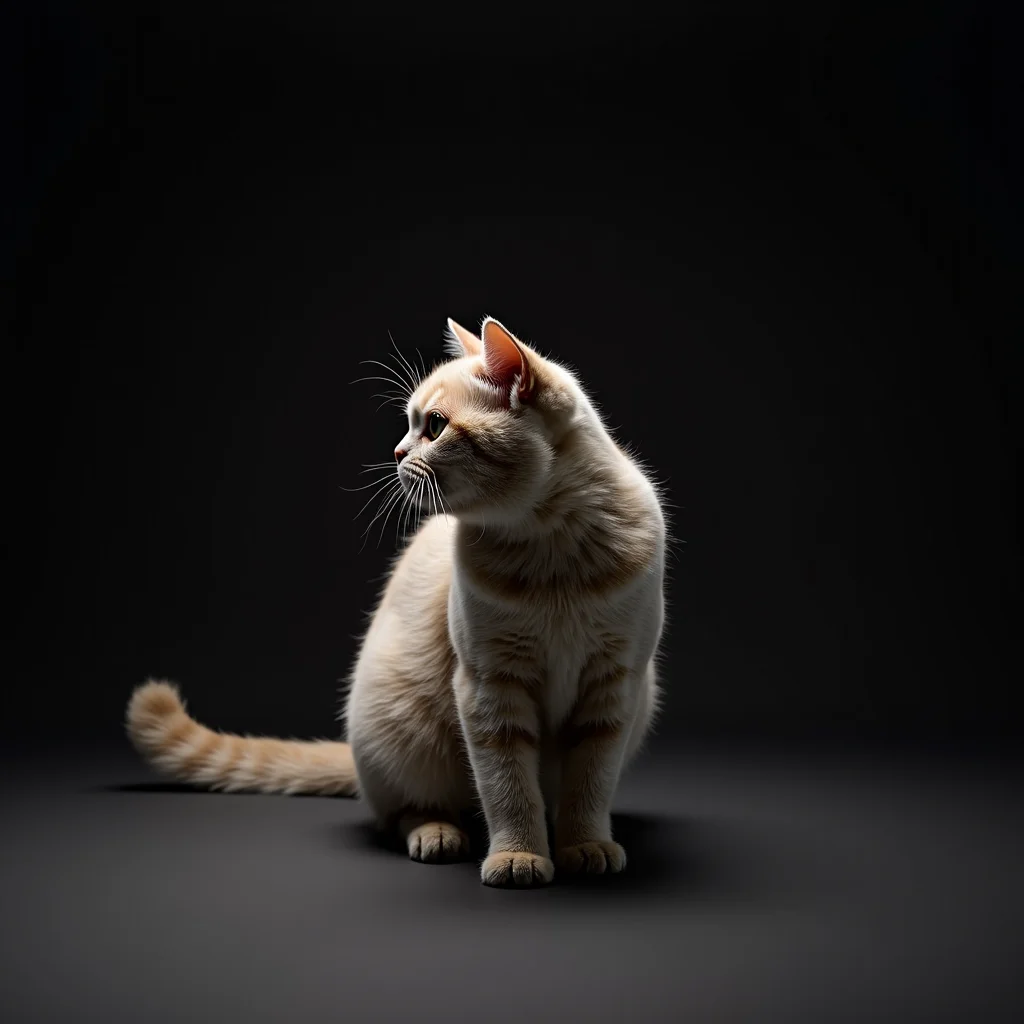
A. The famous 'Buddha sit' is cute but may be a way to relieve pressure on painful joints. It is important to monitor their comfort levels closely.
Q. How should I clean their ears?
A. Gently clean under the folds once a week using a specialized ear cleanser. Avoid using cotton swabs as they can push debris deeper or cause injury.
Q. Is it dangerous if the tail becomes stiff?
A. Yes, a stiff or thickened tail is a common sign of progressive Osteochondrodysplasia. You should consult a veterinarian immediately for pain management.
Q. Should they exercise a lot?
A. Avoid high-impact jumping or intense running that strains the joints. Instead, focus on low-impact interactive play to keep them active without overexertion.
OFFICIAL RECOGNITION
REFERENCES & SOURCES
* This guide describes general breed characteristics. For medical decisions, always consult a professional veterinarian.