IDEAL FOR
- + Owners seeking the charisma of a wild predator within a domestic setting
- + Active individuals who want an intelligent, dog-like partner for adventurous play
- + Homes with significant square footage and high ceilings for vertical movement
THINK TWICE IF
- - People looking for a traditional, sedentary lap cat
- - Apartment dwellers concerned about noise and the physical impact of a large, leaping cat
- - Beginners without experience managing high-energy or hybrid breeds
MORPHOLOGY STUDY
HEALTH RISK ADVISORY
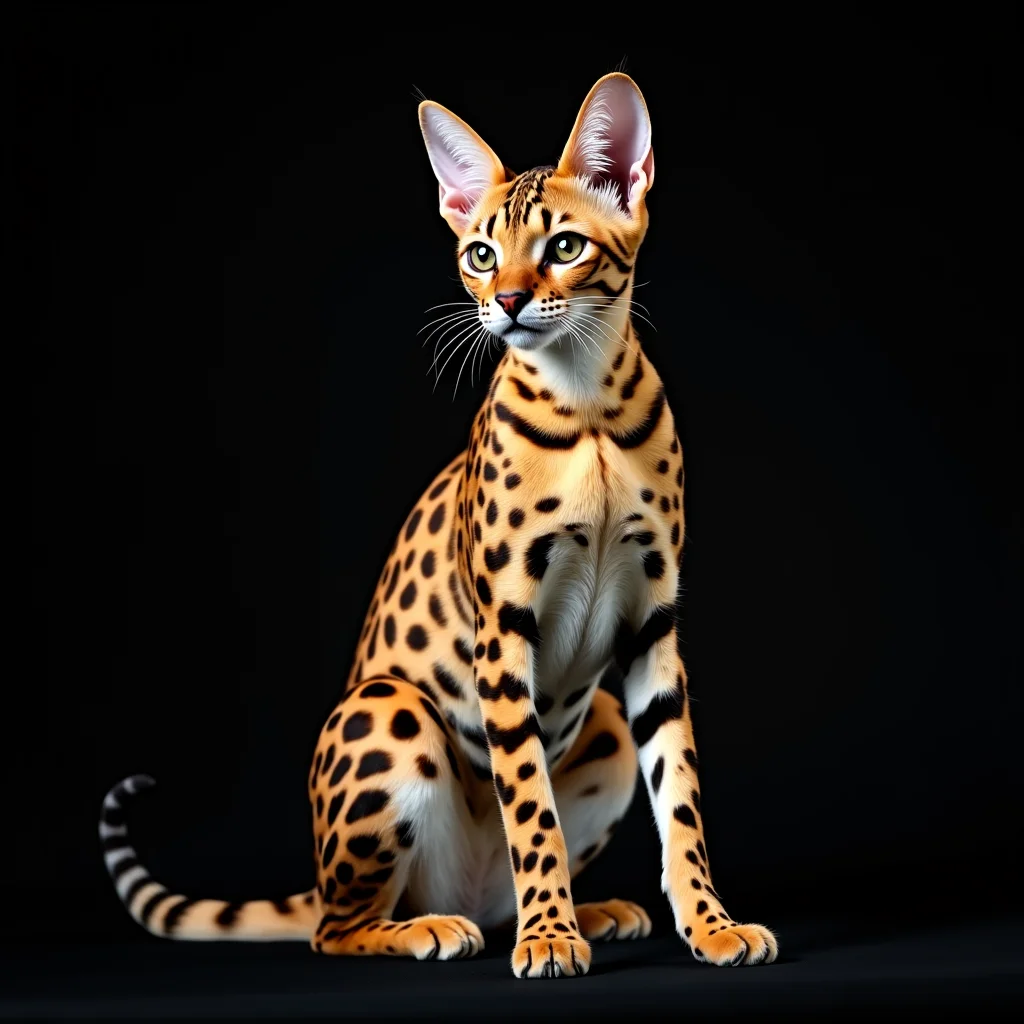
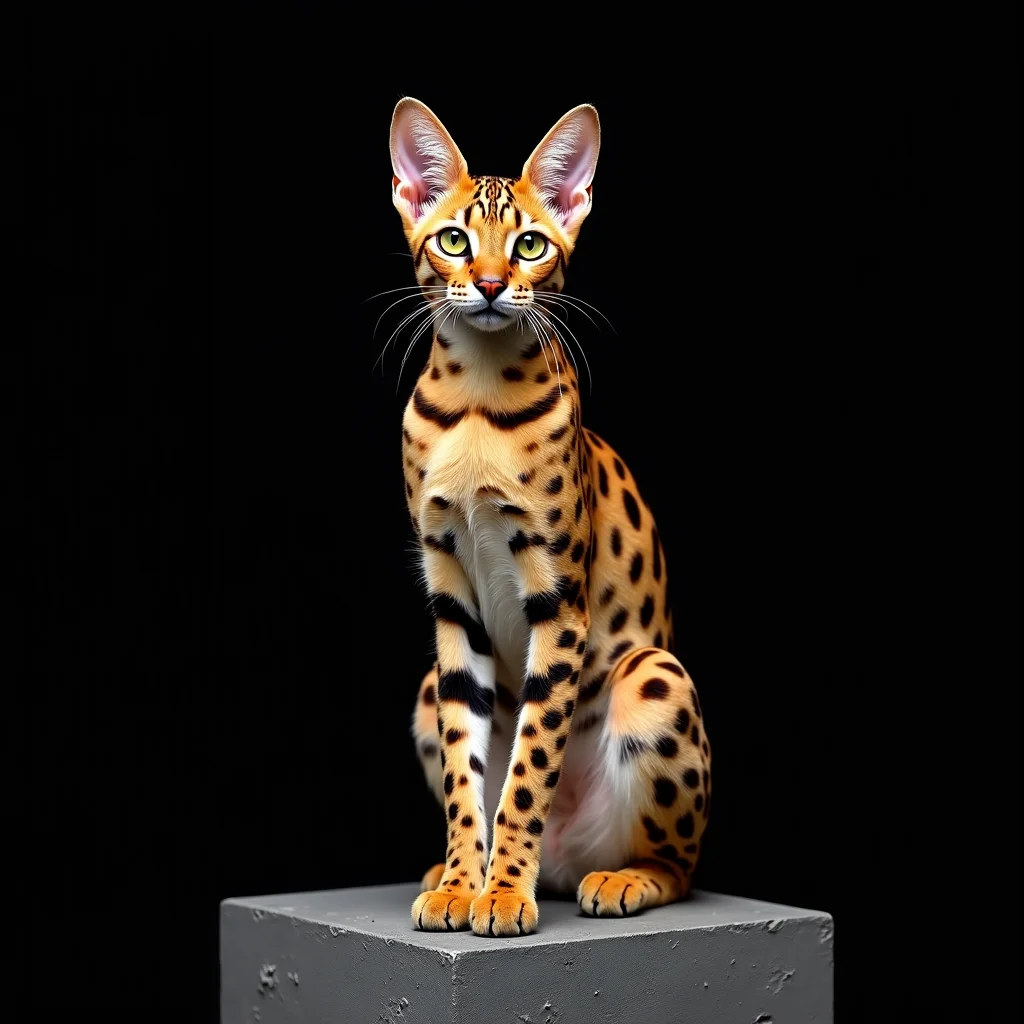
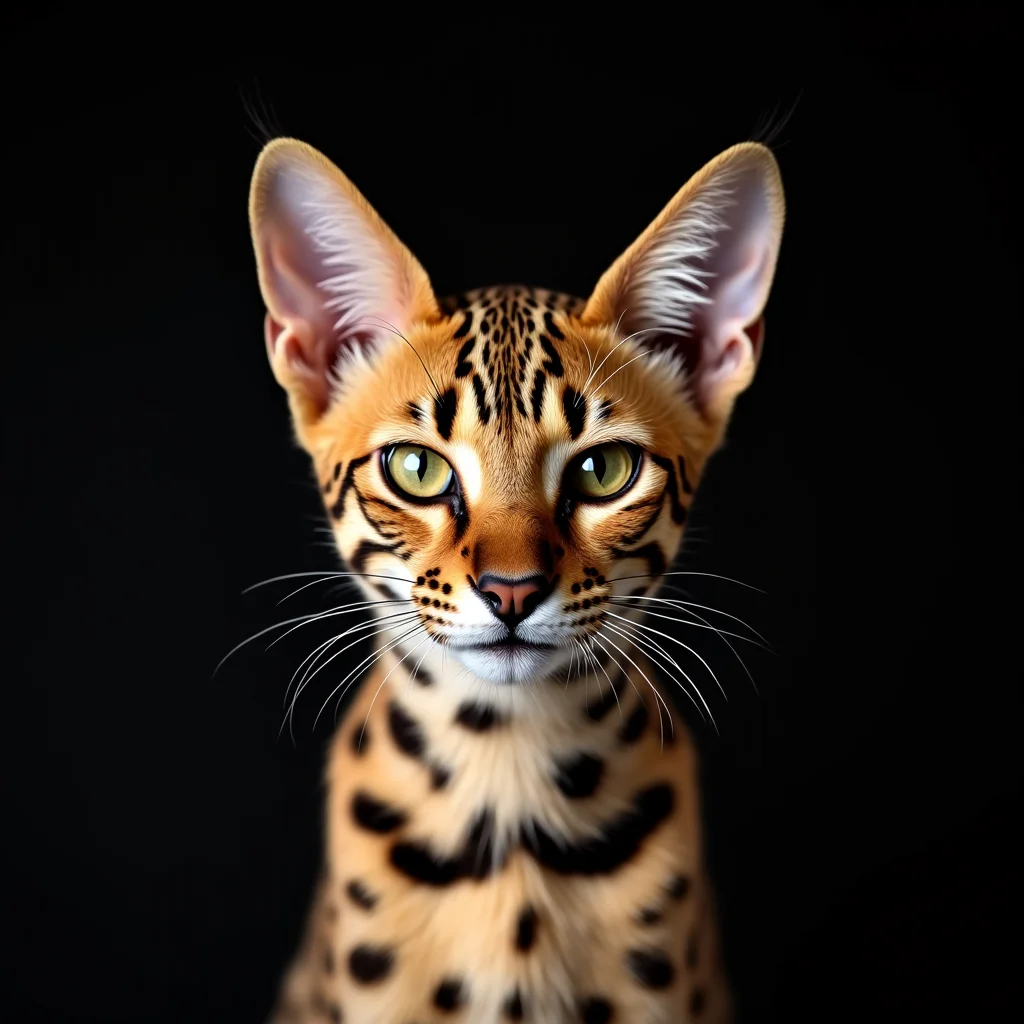
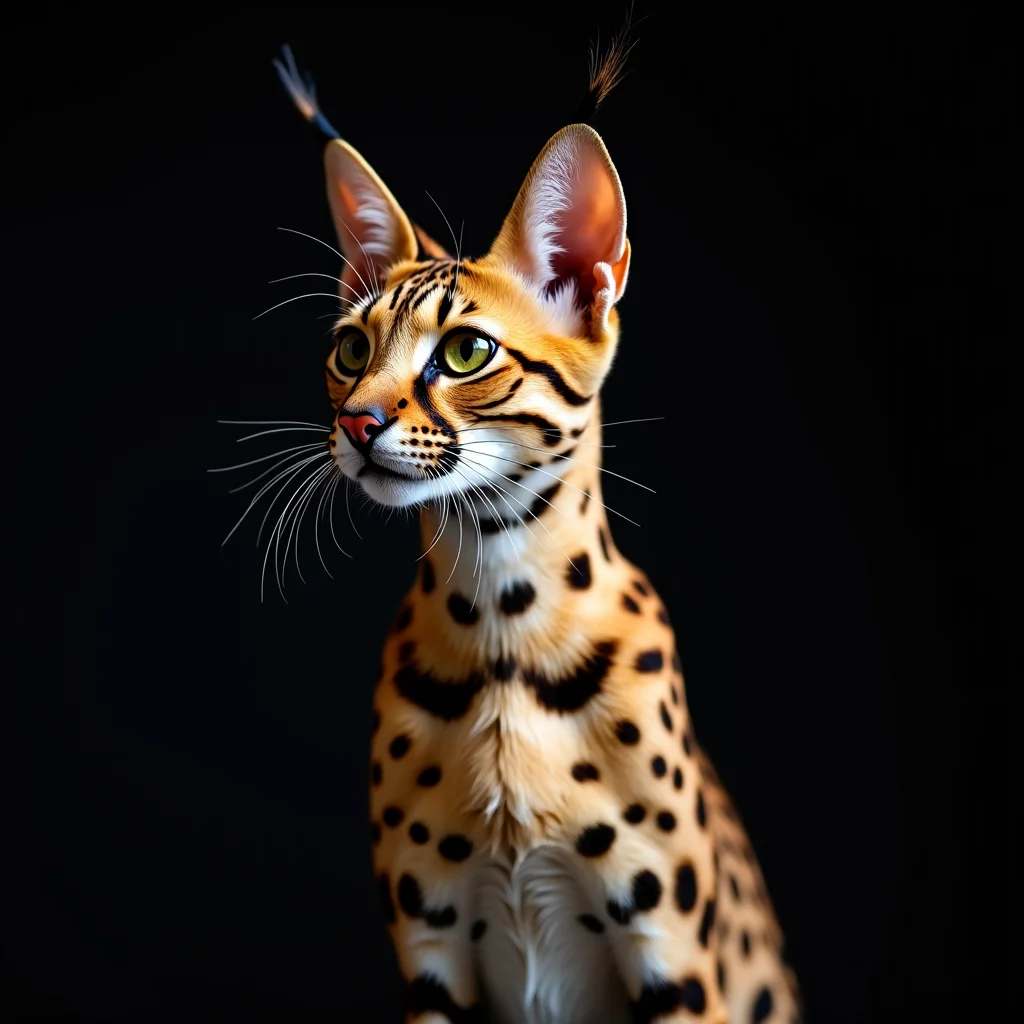
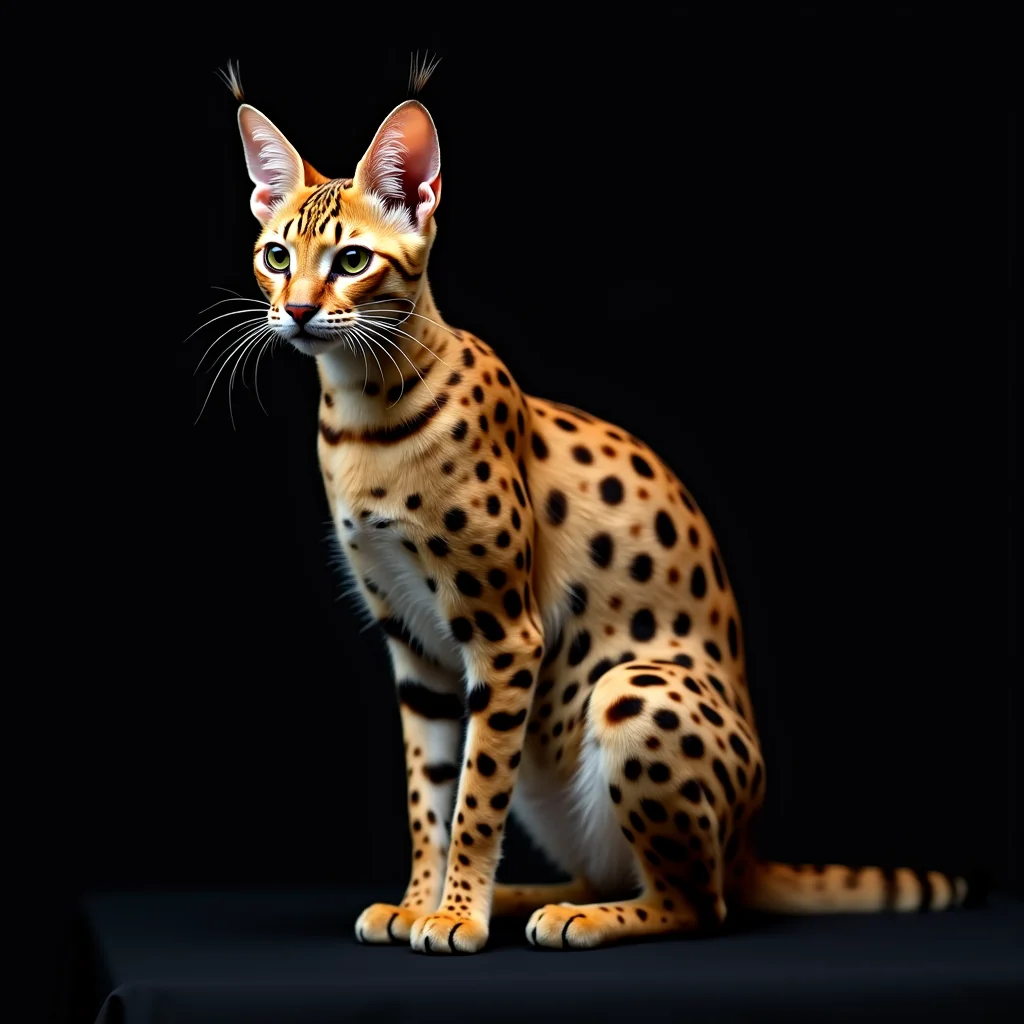
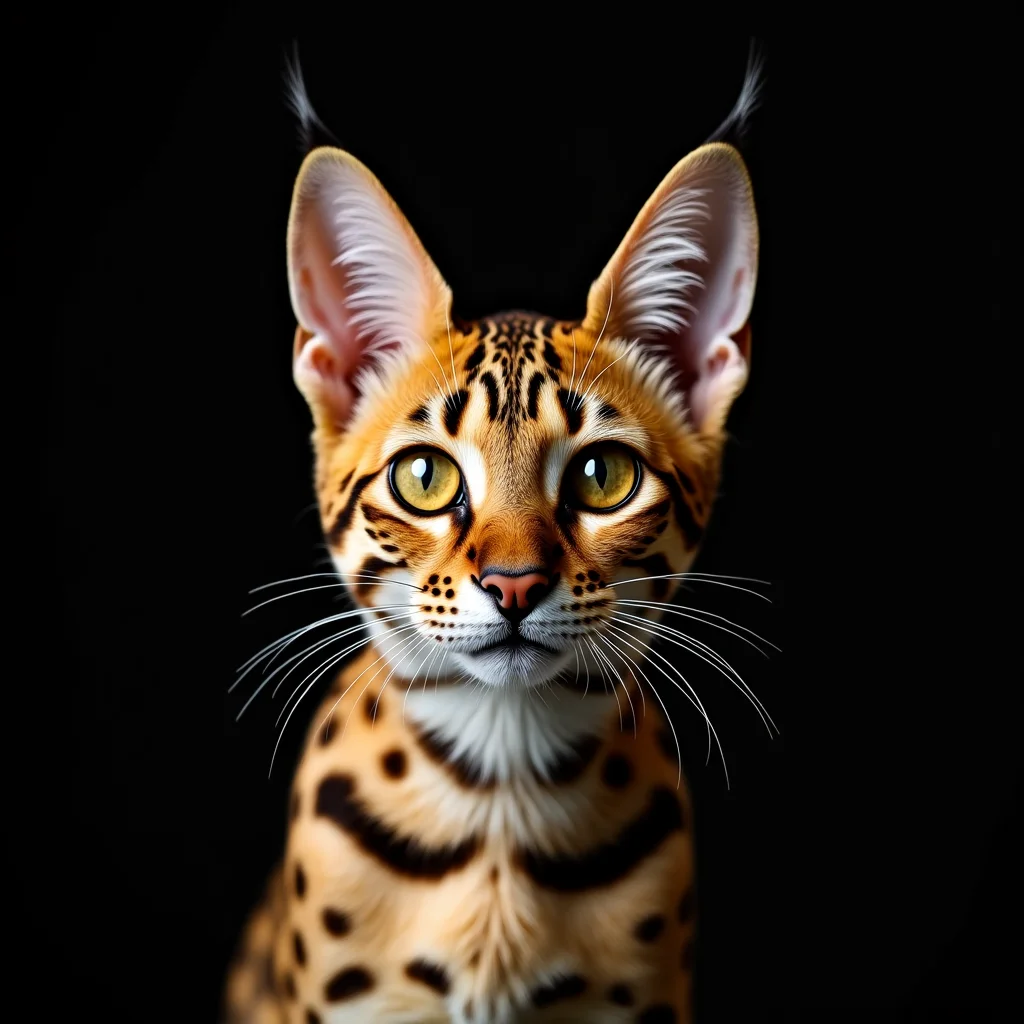
The Savannah is a large, exotic hybrid cat known for its exceptional height, intelligence, and striking Serval-like appearance.
CARE INDEX
ECONOMICS & ORIGIN
SOCIAL COMPATIBILITY
RECOMMENDED CARE ITEMS
IDENTIFICATION TIP
"Compared to Bengals, Savannahs are much taller with longer legs, larger upright ears, and a more slender, elongated silhouette."
FREQUENTLY ASKED
Q. How large do they grow?
A. Early generations (F1) can stand up to 45cm at the shoulder and are significantly longer and taller than any standard domestic cat.
Q. Do they get along with dogs?
A. Yes, they often pair well with active, confident dogs who can match their energy levels and play style.
Q. Can they live in an apartment?
A. It is challenging. Their incredible vertical leap means no shelf is safe, and without adequate space and exercise, they may become destructive due to boredom.
Q. What is the difference between a Serval and a Savannah?
A. A Serval is a pure wild animal. A Savannah is a hybrid cross between a Serval and a domestic cat. As generations progress (F1 to F5), they become more domestic in temperament and slightly smaller in size.
Q. Do they really like water?
A. Yes, it is common for Savannahs to play in sinks, bathtubs, or even join their owners in the shower. Water play is an excellent form of enrichment for them.
OFFICIAL RECOGNITION
REFERENCES & SOURCES
* This guide describes general breed characteristics. For medical decisions, always consult a professional veterinarian.