IDEAL FOR
- + Owners who prefer a quiet and peaceful indoor life
- + Working professionals who are away during the day
- + People who value deep emotional connection with their cat
THINK TWICE IF
- - Homes with frequent guests or loud environments
- - Owners who want a cat that is immediately outgoing and extroverted
- - People who lack the patience to let a shy cat warm up at its own pace
MORPHOLOGY STUDY
HEALTH RISK ADVISORY
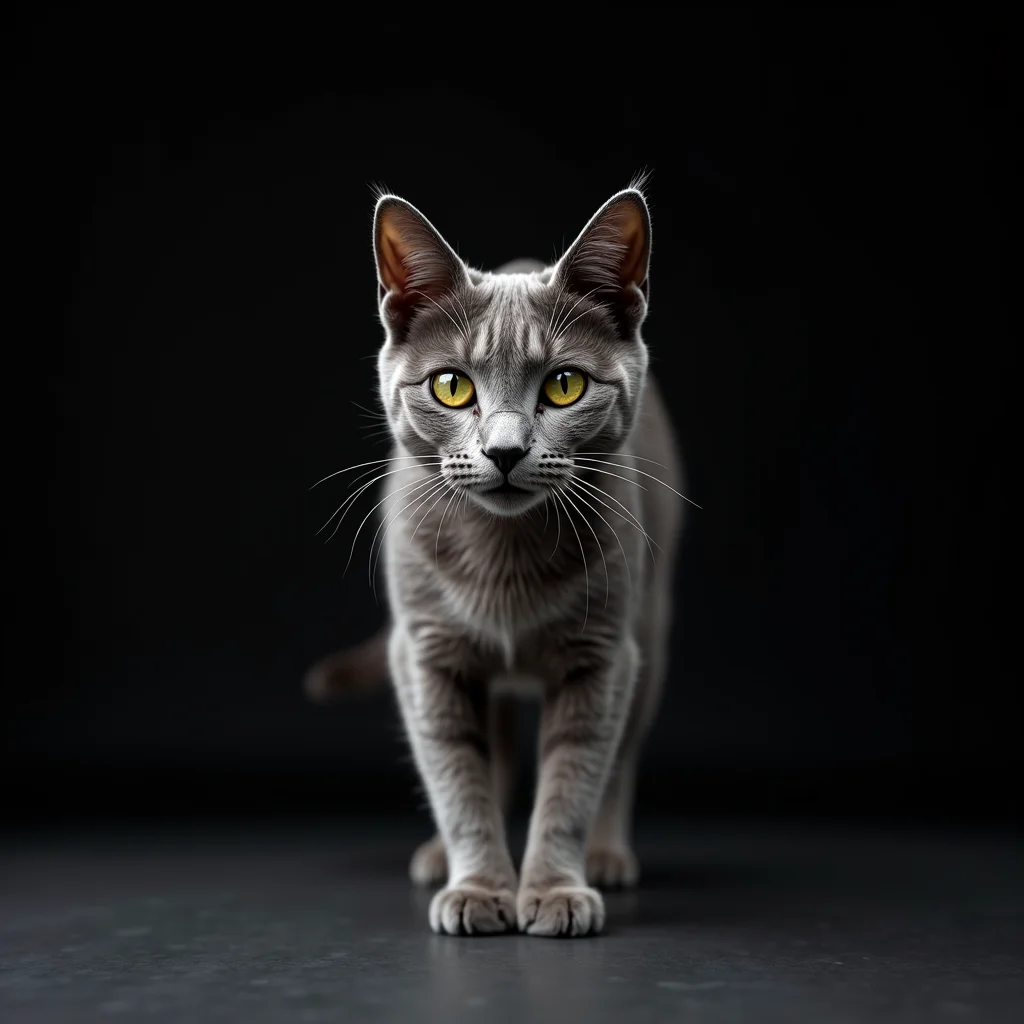
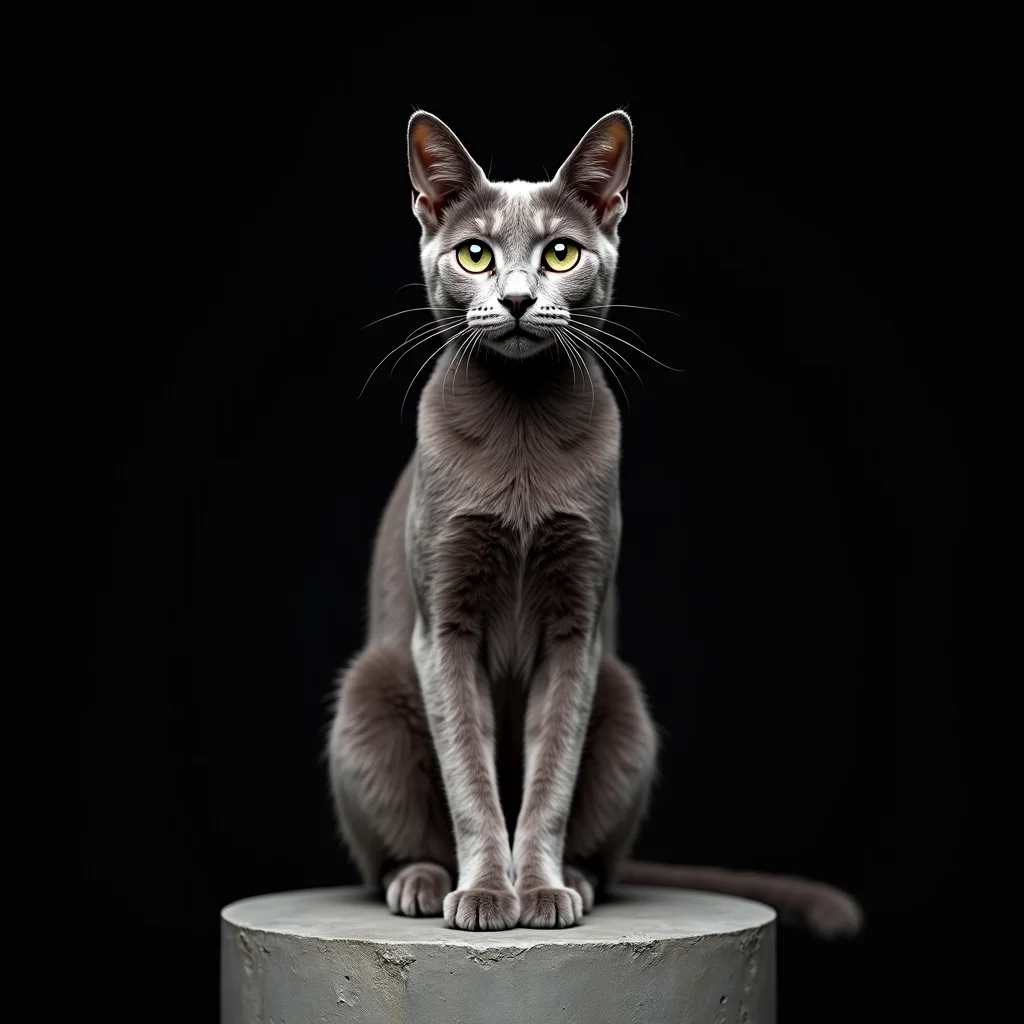
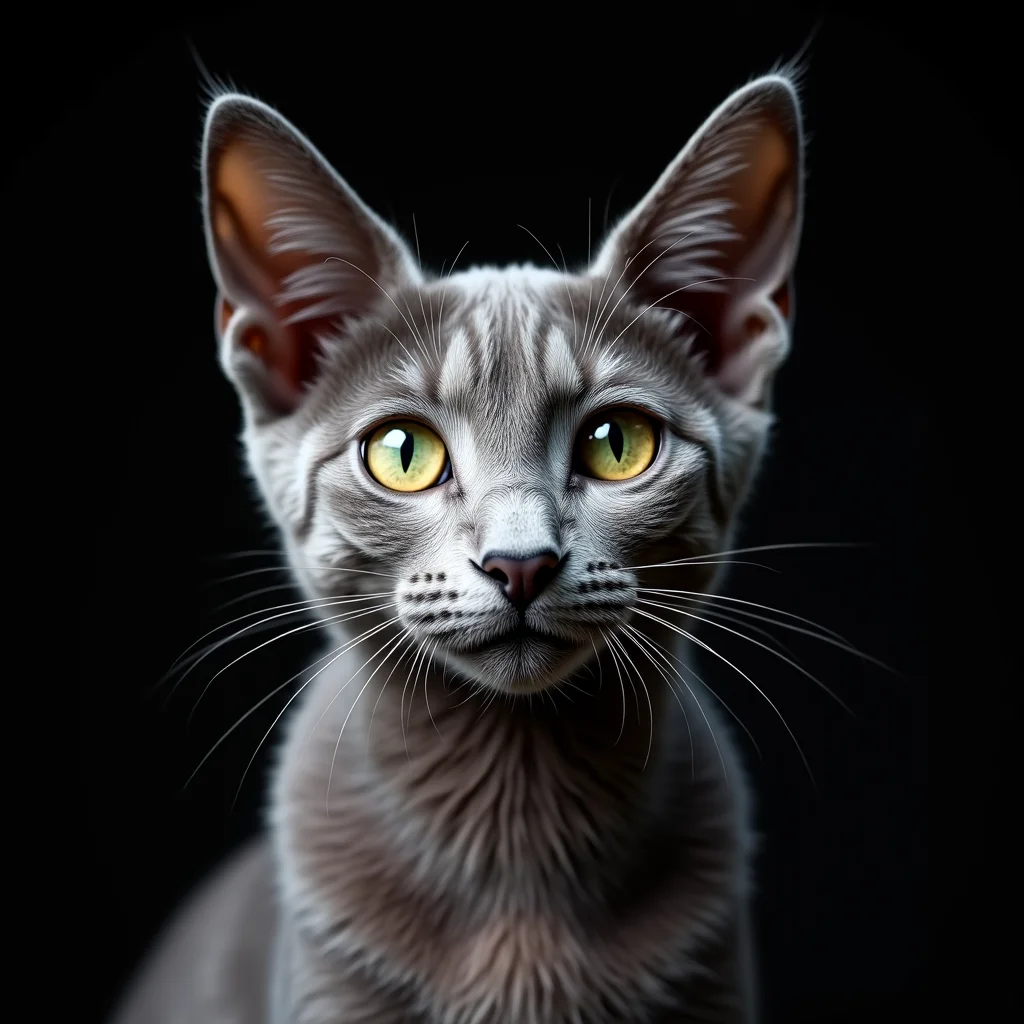
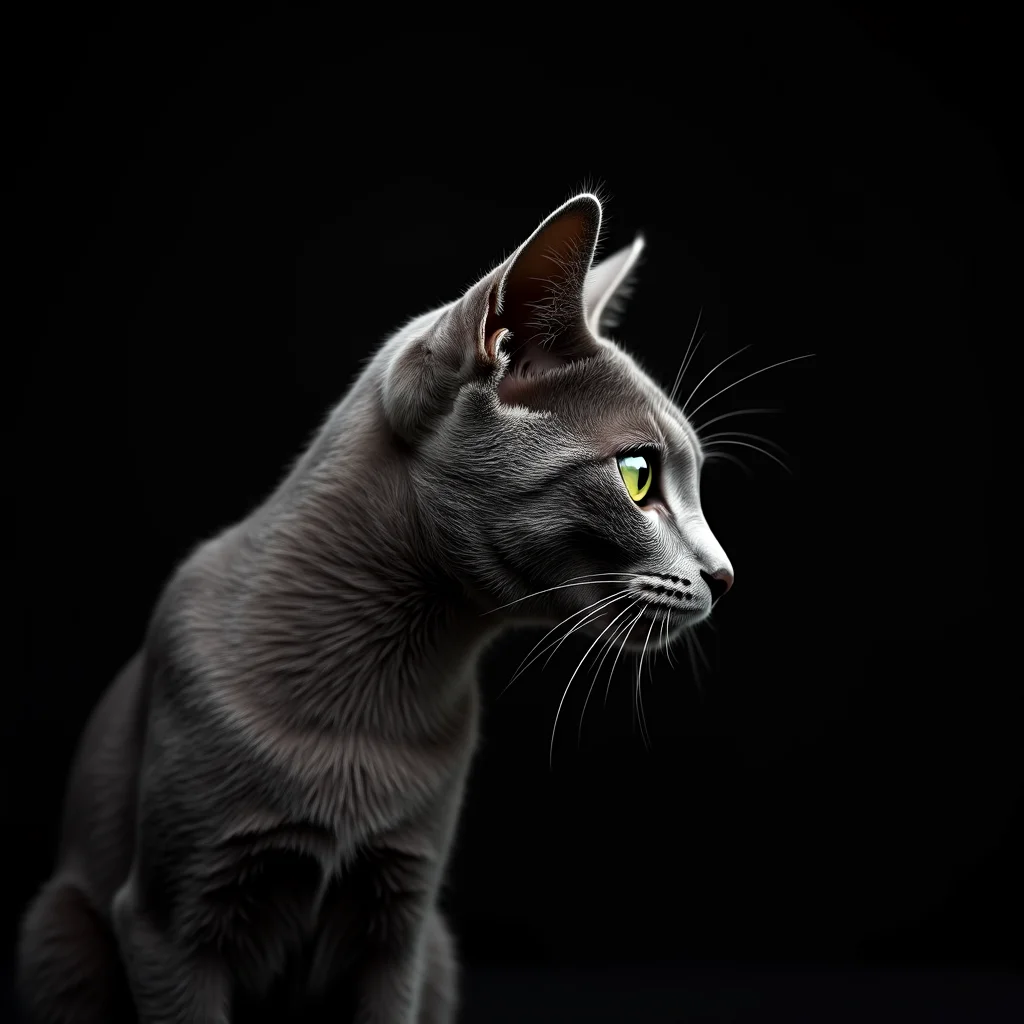
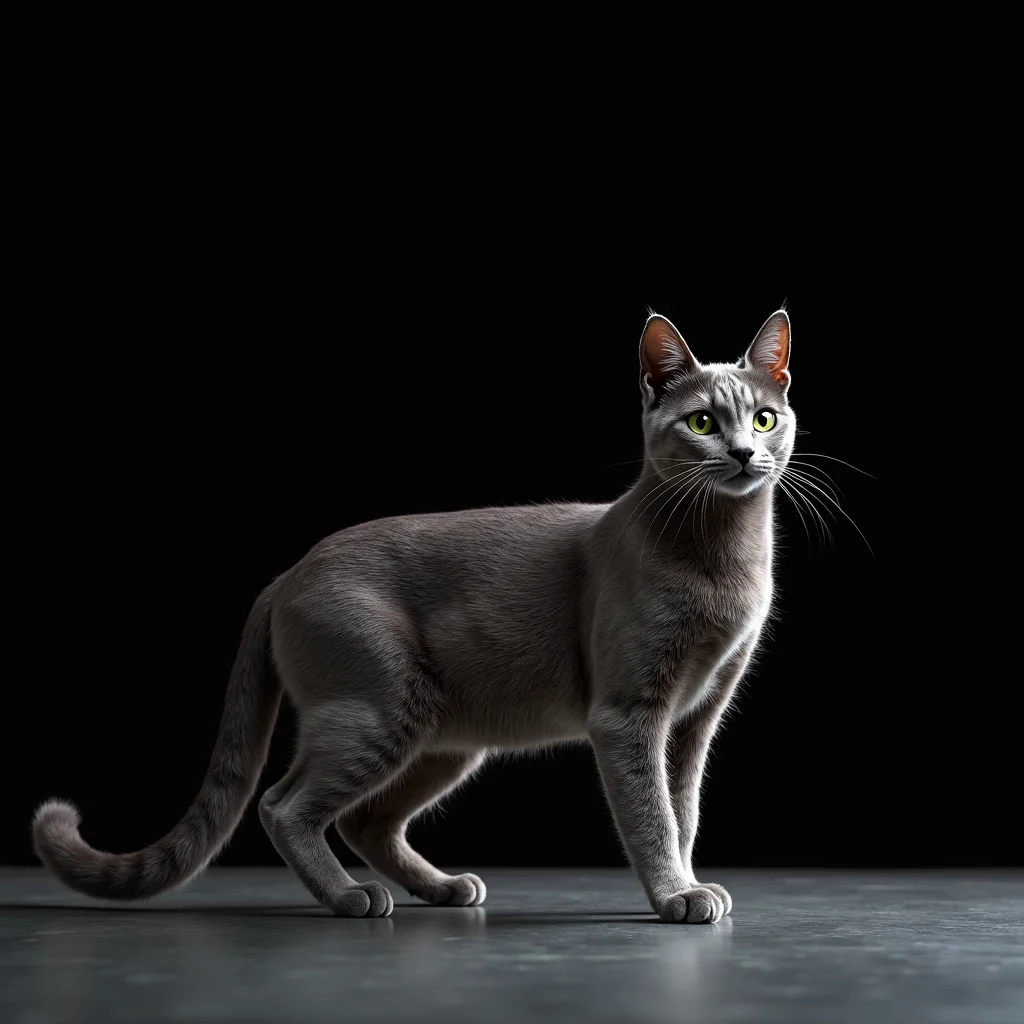
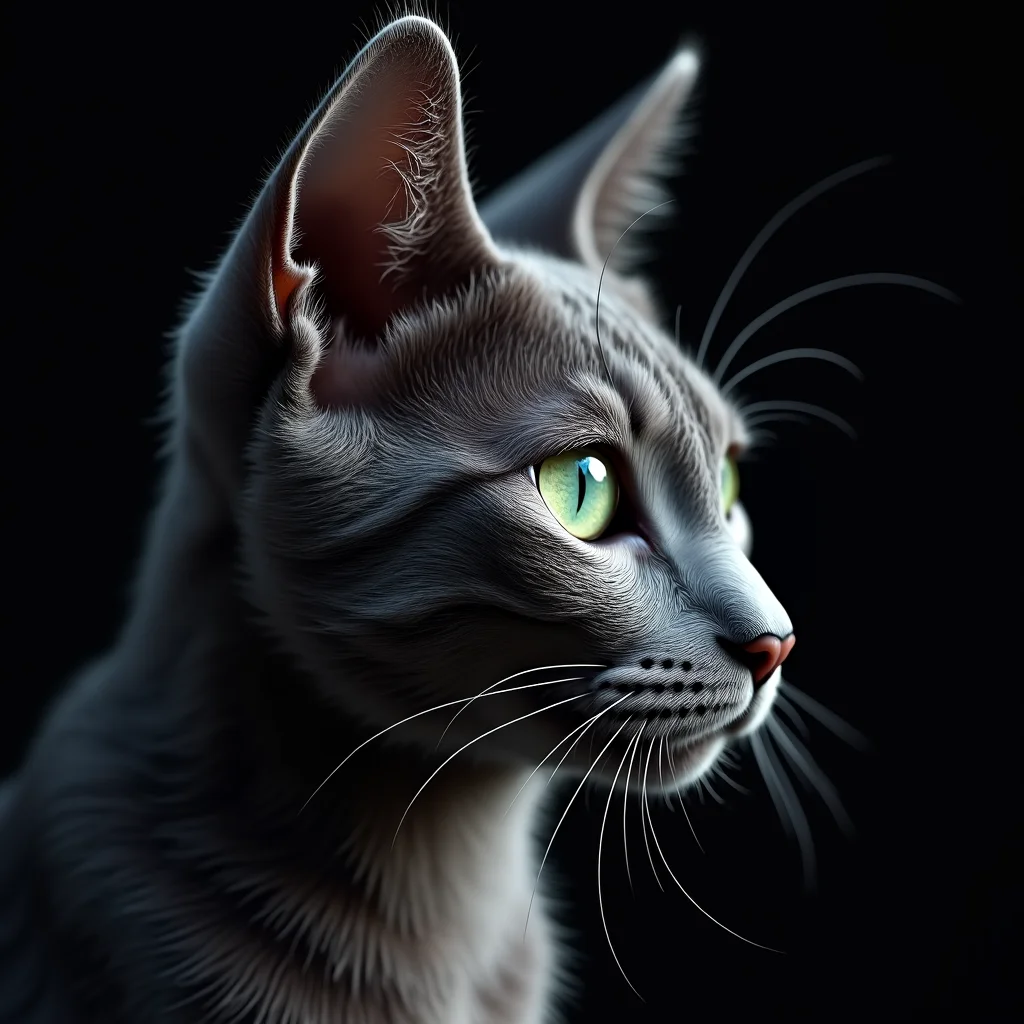
The Russian Blue is a cat breed that comes in colors varying from a light shimmering silver to a darker, slate grey.
CARE INDEX
ECONOMICS & ORIGIN
SOCIAL COMPATIBILITY
RECOMMENDED CARE ITEMS
IDENTIFICATION TIP
"Look for a much leaner body and vivid emerald green eyes compared to the British Shorthair Blue."
FREQUENTLY ASKED
Q. Do their eye colors change?
A. Yes, kittens start with blue-grey eyes, which turn yellow, and finally reach a vivid emerald green around two years of age.
Q. Are they truly hypoallergenic?
A. While they produce less Fel d 1 protein than most breeds, they are not entirely hypoallergenic. Always test for reactions before adopting.
Q. Why are they so shy?
A. They are naturally cautious and observant, taking time to assess new environments or people. Once trust is established, they become incredibly devoted and affectionate.
Q. Do they have a long lifespan?
A. Yes, they are known for their longevity among cat breeds. Many live into their late teens or even early twenties with proper care and nutrition.
Q. Do they get along with other cats?
A. They bond well with other quiet or calm cats. However, they may feel stressed by overly assertive or hyperactive feline companions.
OFFICIAL RECOGNITION
REFERENCES & SOURCES
* This guide describes general breed characteristics. For medical decisions, always consult a professional veterinarian.