IDEAL FOR
- + Owners seeking a wild aesthetic combined with a devoted, dog-like personality
- + Families with children or other pets looking for a patient and sturdy companion
- + Fanciers who appreciate the unique look and lore of polydactyl 'big-foot' cats
THINK TWICE IF
- - Owners who prefer a small or daintily built feline
- - Those who lack the time or patience for the specialized nail care polydactylism requires
- - People seeking a purely sedentary cat that doesn't require active engagement
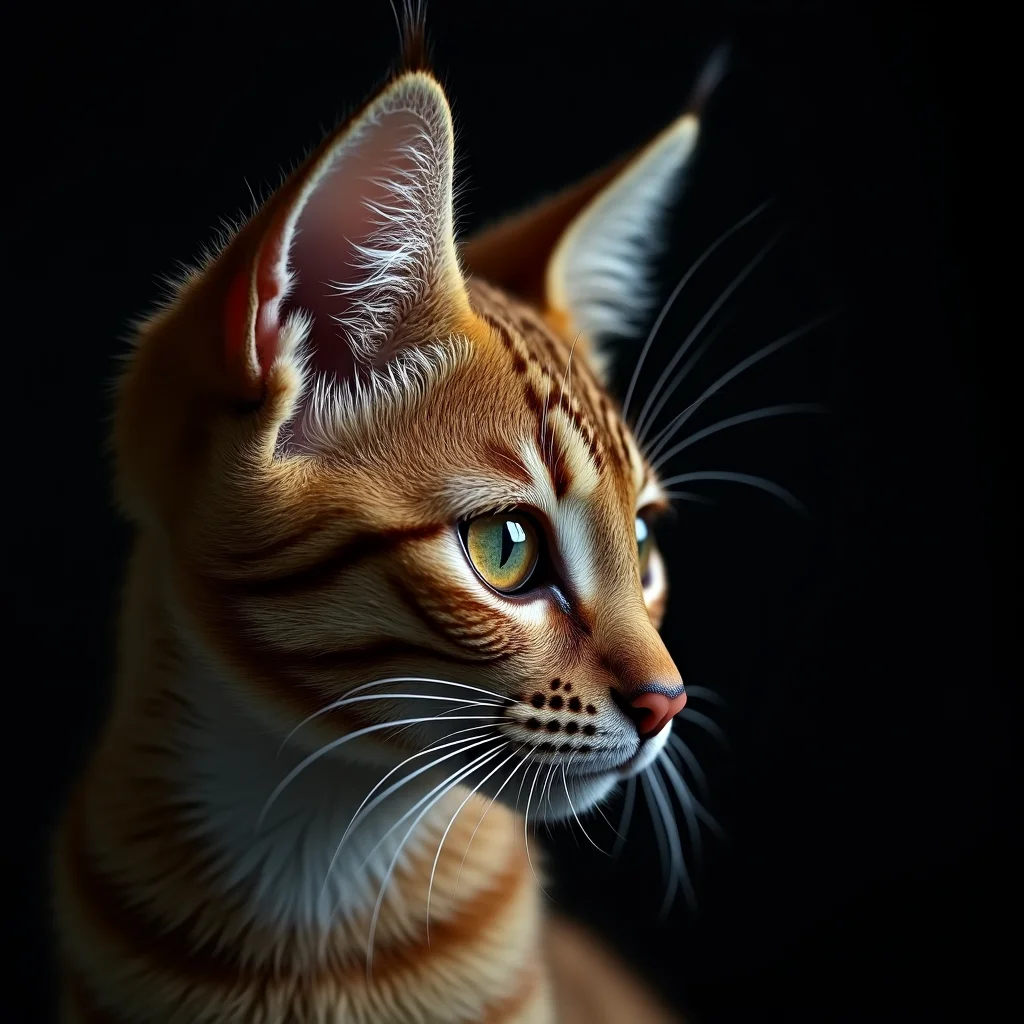
MORPHOLOGY STUDY
HEALTH RISK ADVISORY
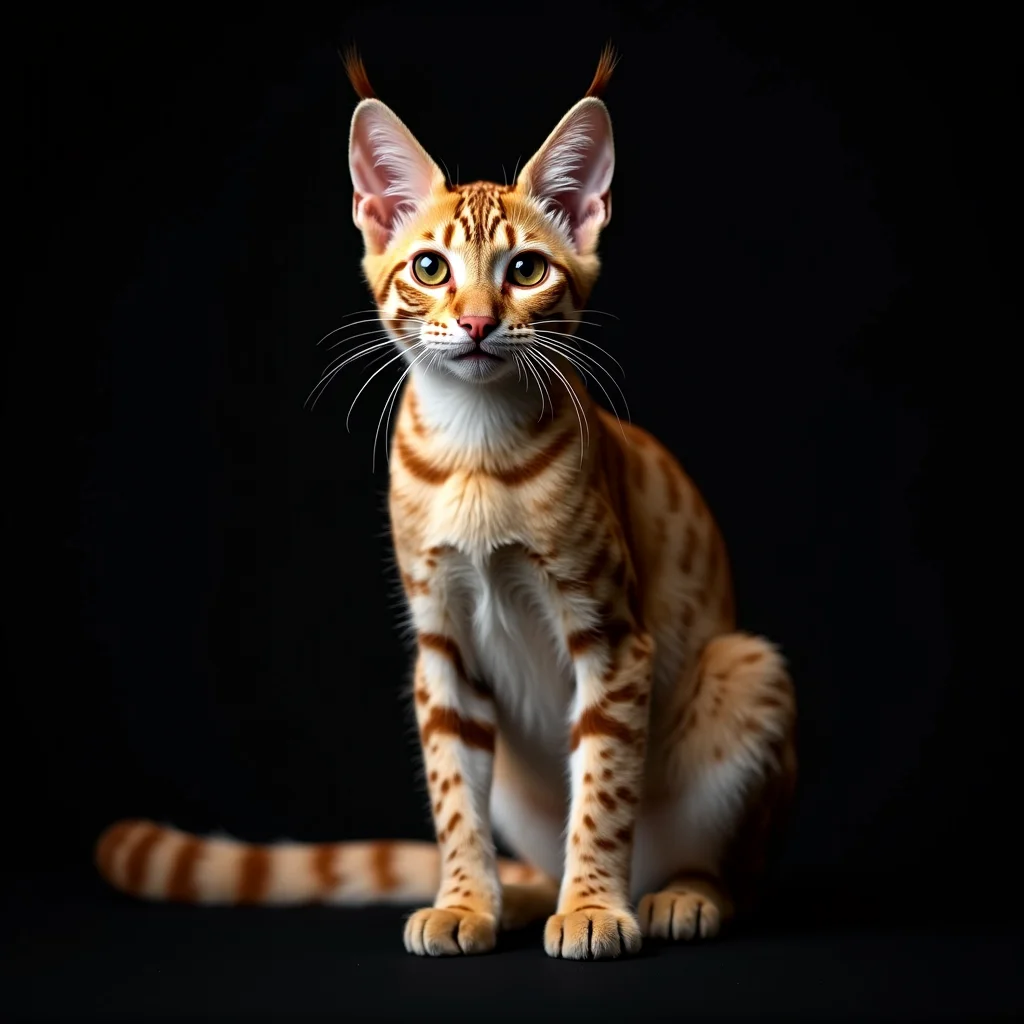
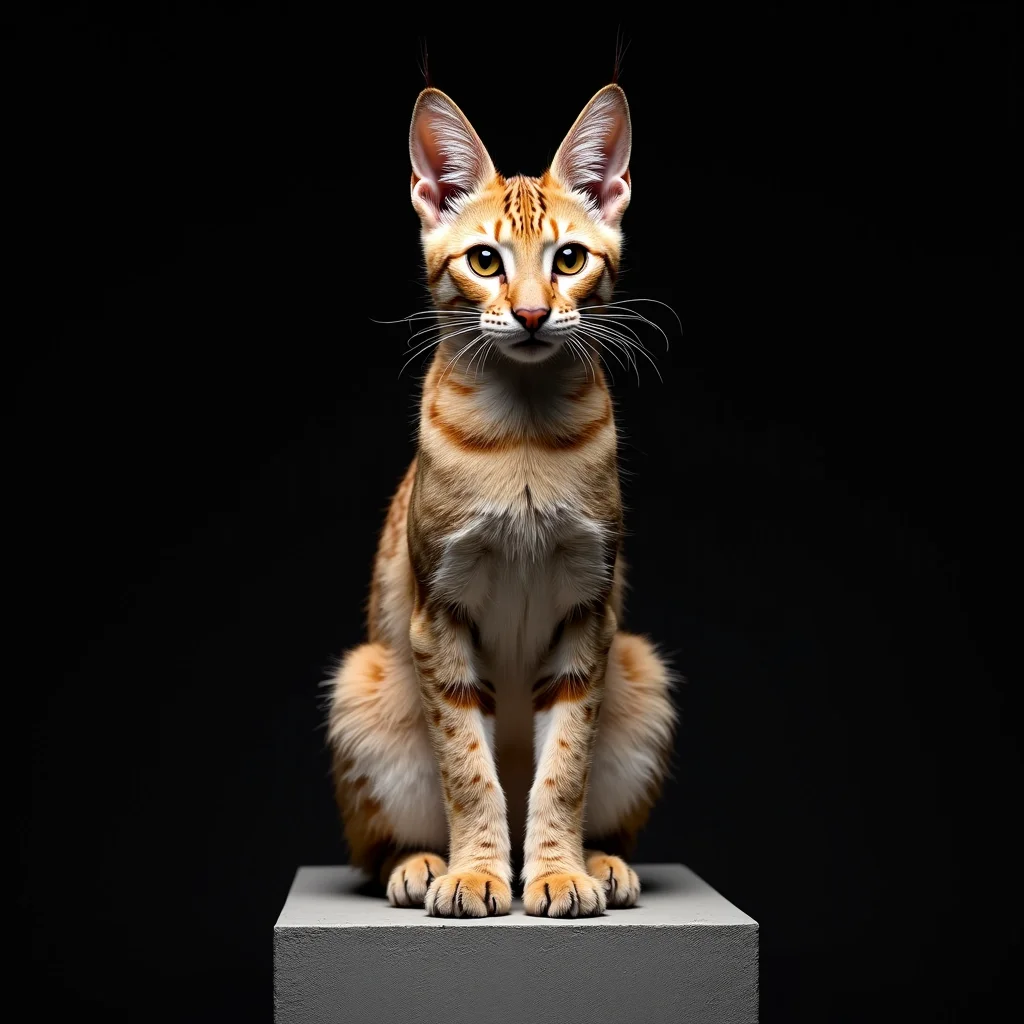
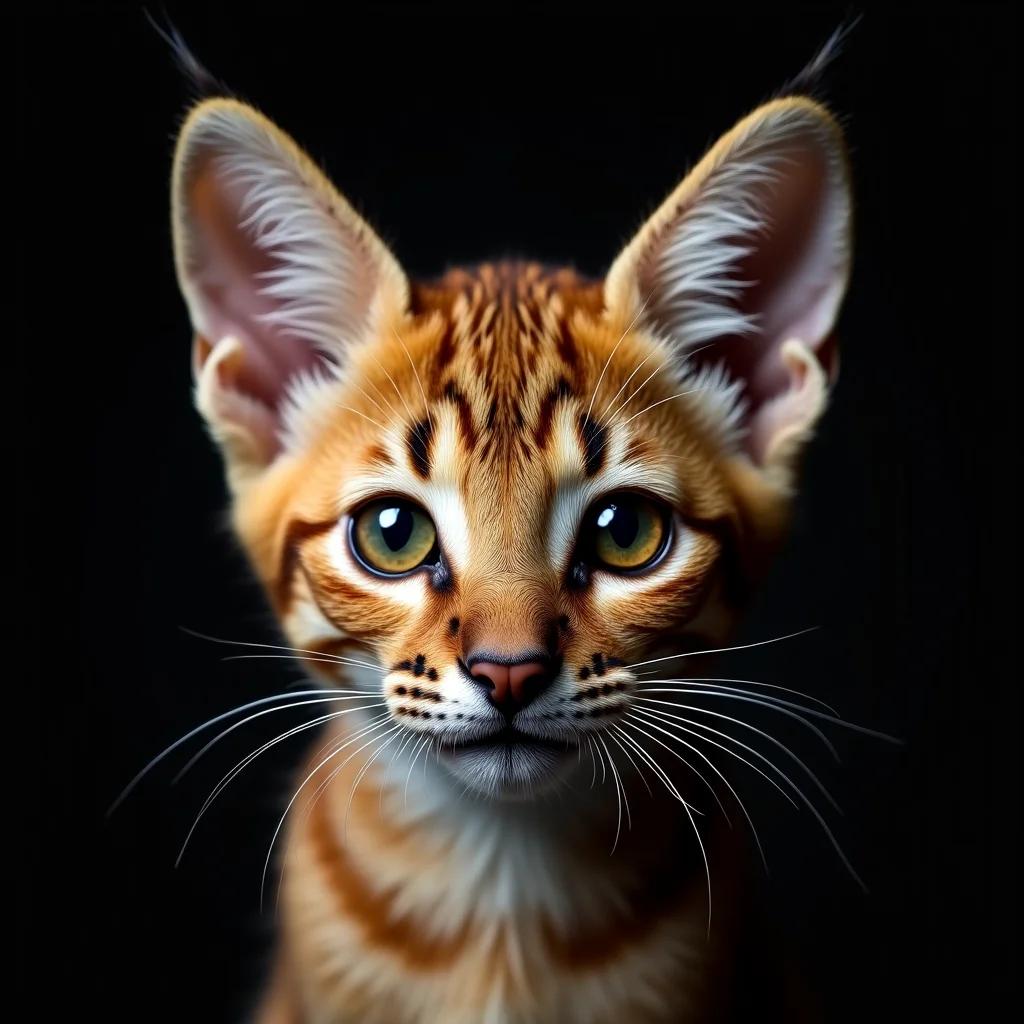
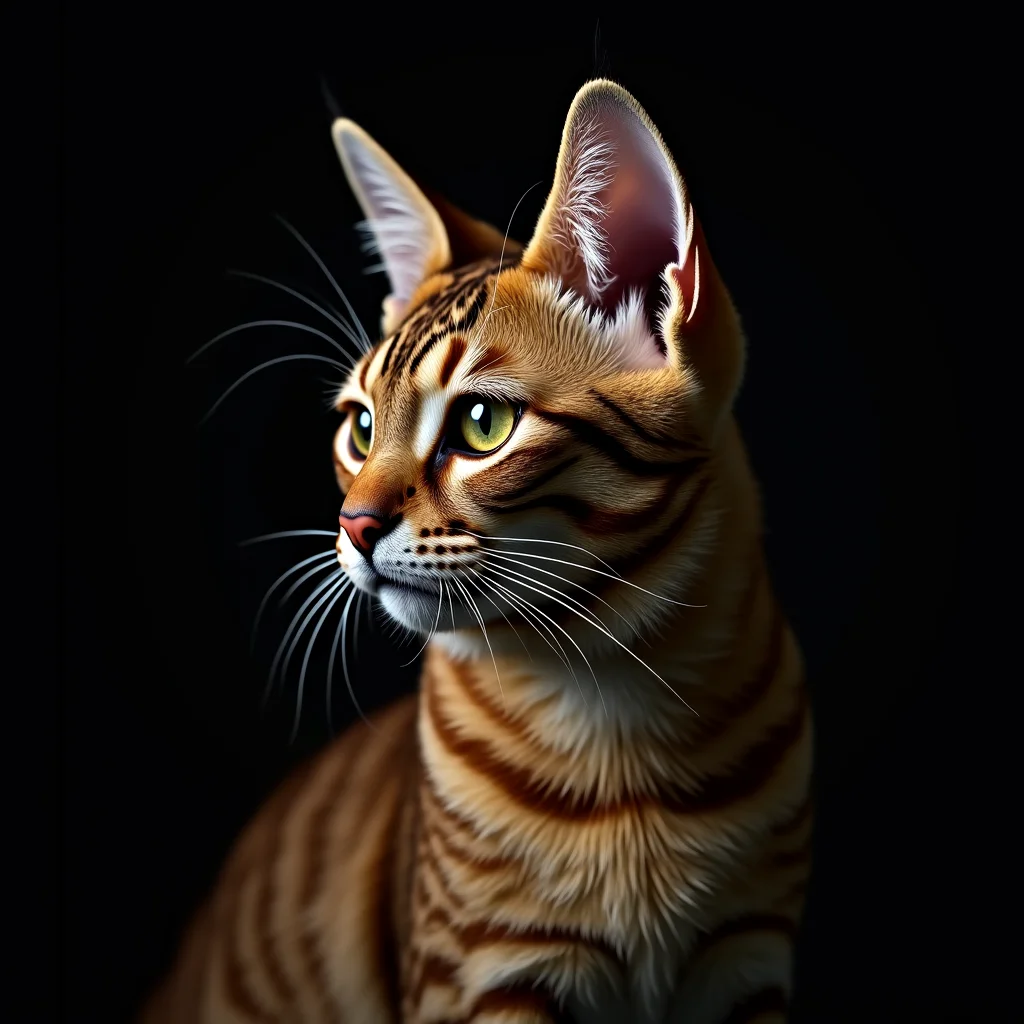
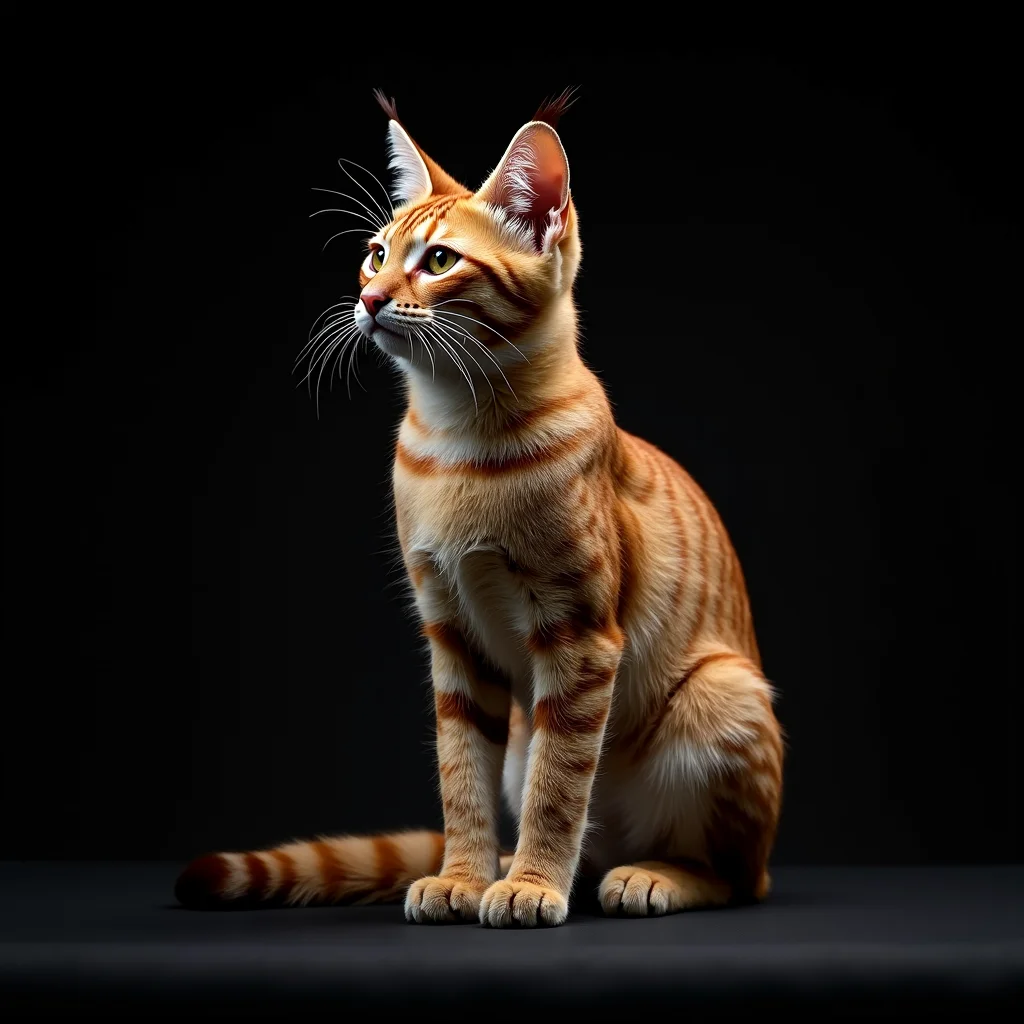
The Pixie-bob is a resilient North American breed known for its wild bobcat appearance and surprisingly gentle, loyal temperament.
CARE INDEX
ECONOMICS & ORIGIN
SOCIAL COMPATIBILITY
RECOMMENDED CARE ITEMS
IDENTIFICATION TIP
"Look for the signature 'hooded' eyes, short bobbed tail, and oversized polydactyl paws that distinguish them from other breeds."
FREQUENTLY ASKED
Q. Are they descendants of wild bobcats?
A. While early lore claimed bobcat ancestry, DNA testing has confirmed they are 100% domestic cat. They were selectively bred to achieve the wild bobcat aesthetic.
Q. Is polydactylism harmful?
A. No, it is a recognized and healthy trait for the breed. As long as the extra claws are trimmed regularly, it causes no issues and adds to their unique 'big-foot' charm.
Q. Are they aggressive like their namesakes?
A. Not at least. They are famously patient and quiet. While they may be shy with strangers, they are incredibly gentle and devoted to their families.
Q. Can they be leash-trained?
A. Their high intelligence and desire for companionship make them excellent candidates for harness training and outdoor adventures.
Q. Do they shed a lot?
A. They experience seasonal shedding due to their double coat, but the woolly texture tends to clump together rather than float, making cleanup somewhat easier.
OFFICIAL RECOGNITION
REFERENCES & SOURCES
* This guide describes general breed characteristics. For medical decisions, always consult a professional veterinarian.