IDEAL FOR
- + Owners who prefer a quiet and peaceful household
- + People ready for a daily grooming commitment and bonding
- + Those seeking a luxurious and calm indoor companion
THINK TWICE IF
- - Owners with limited time for daily grooming tasks
- - People looking for a highly active or energetic cat
- - Those who may find flat-faced health maintenance overwhelming
MORPHOLOGY STUDY
HEALTH RISK ADVISORY
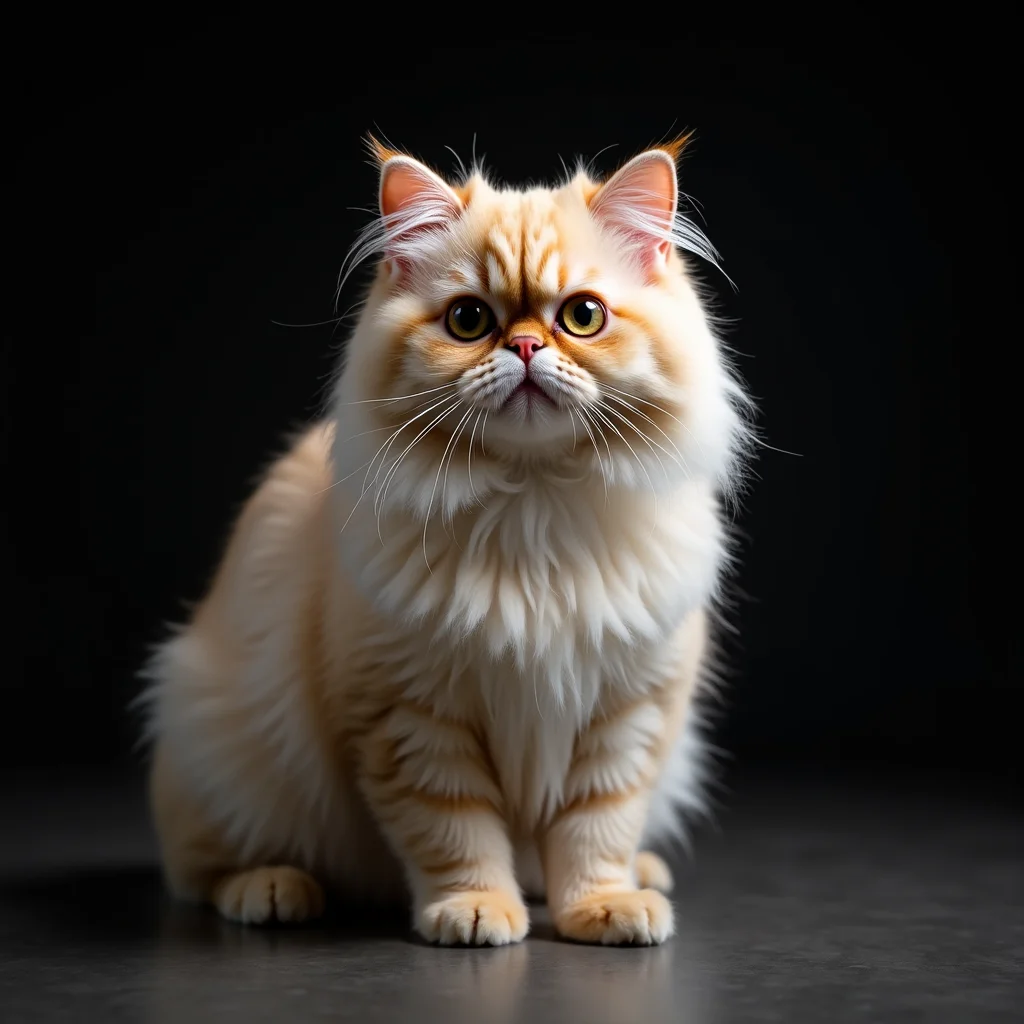
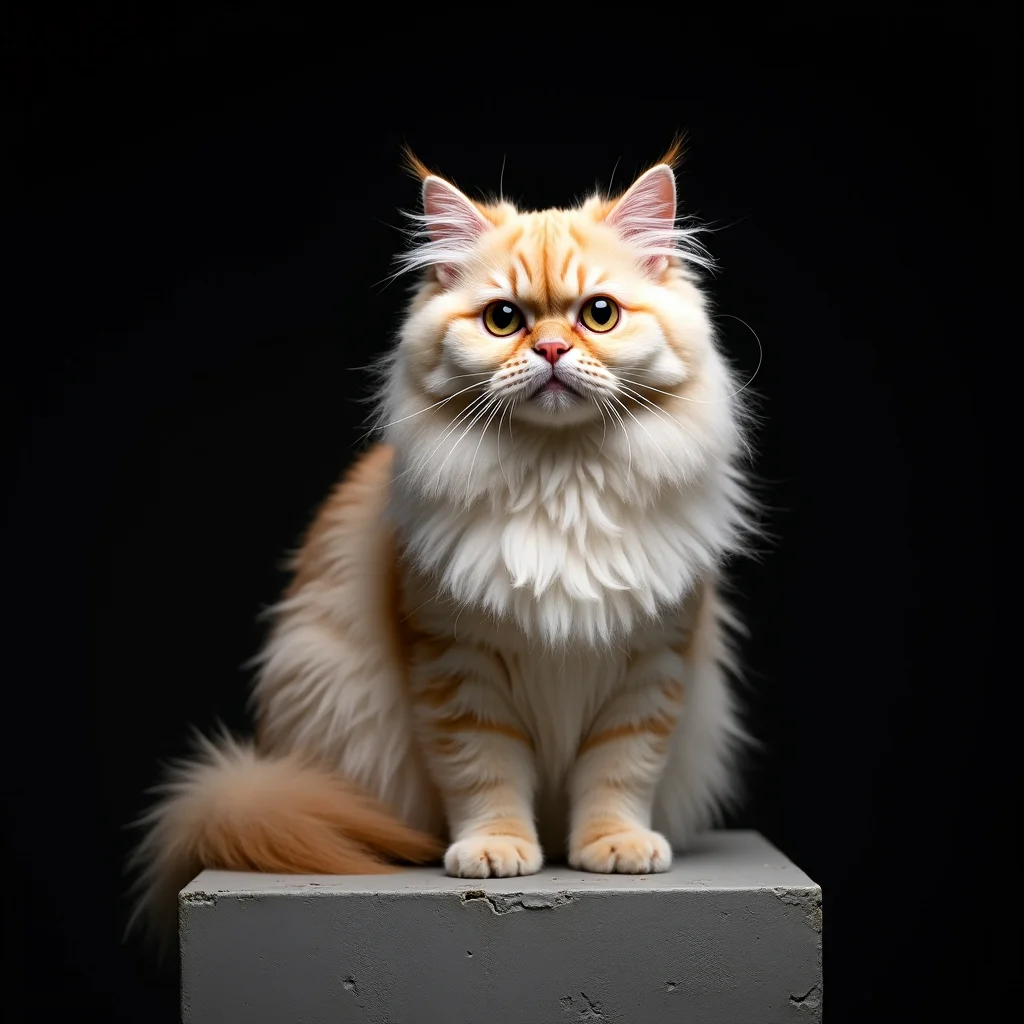
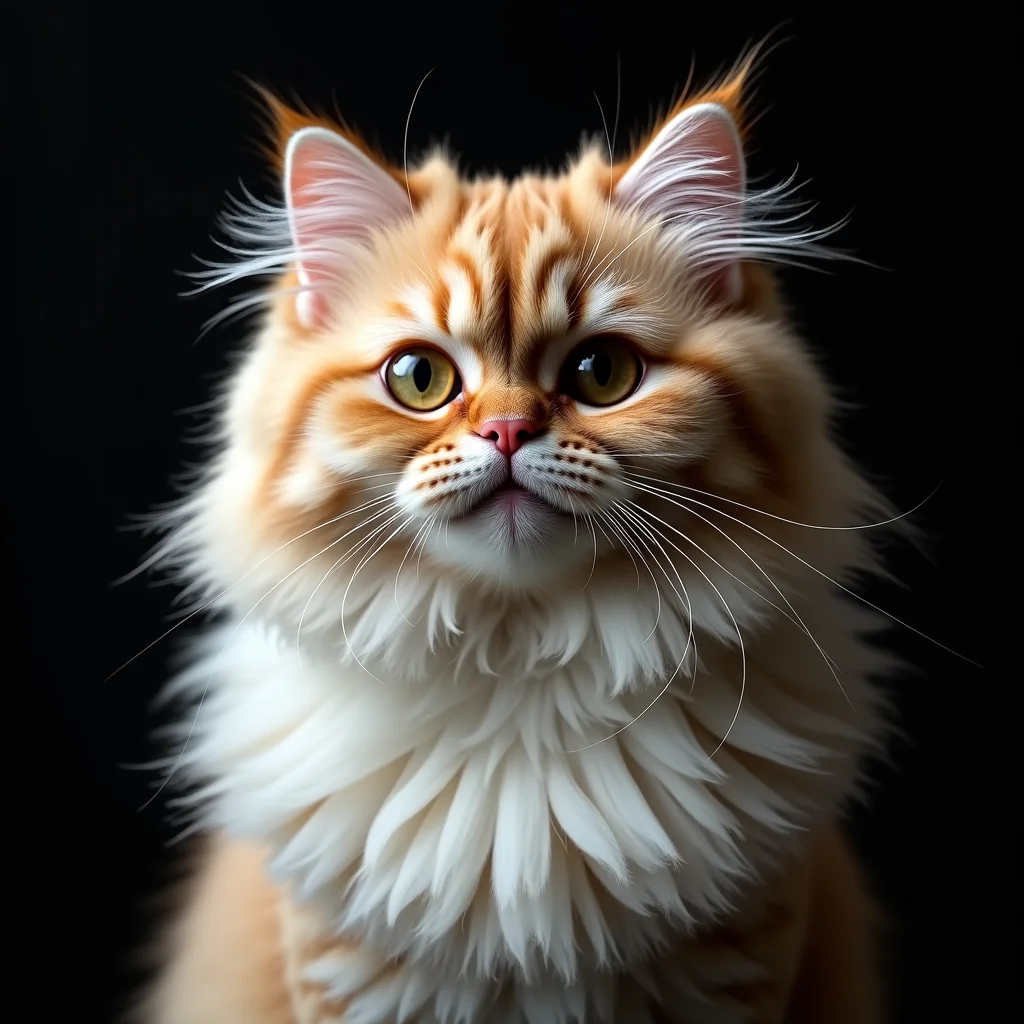
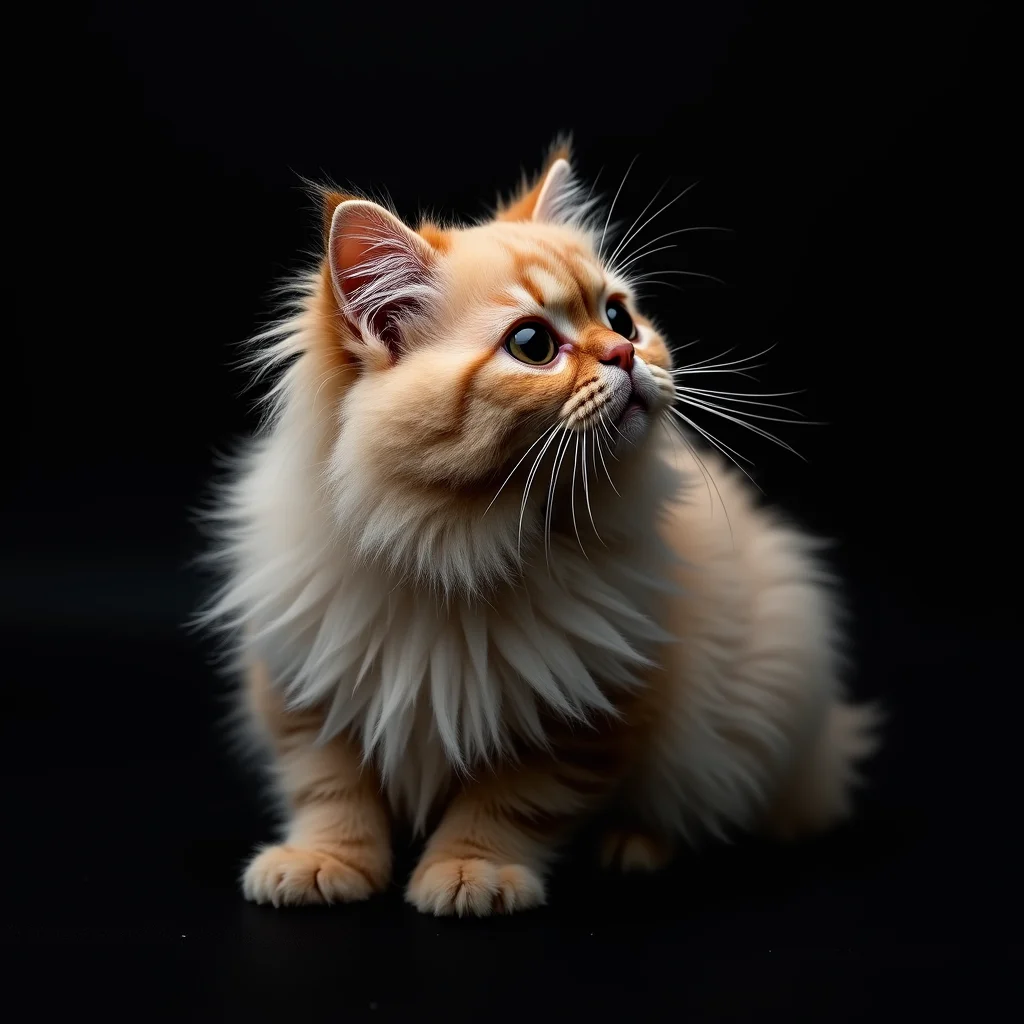
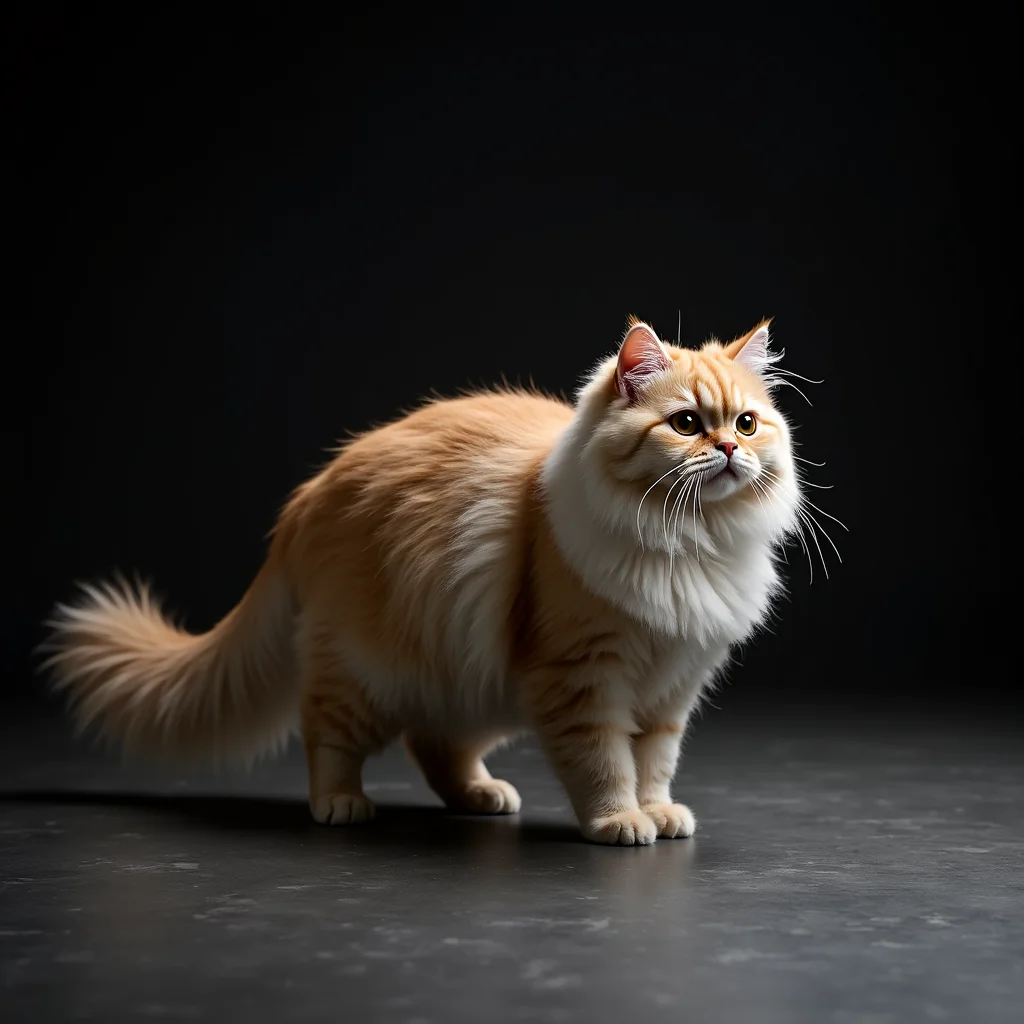
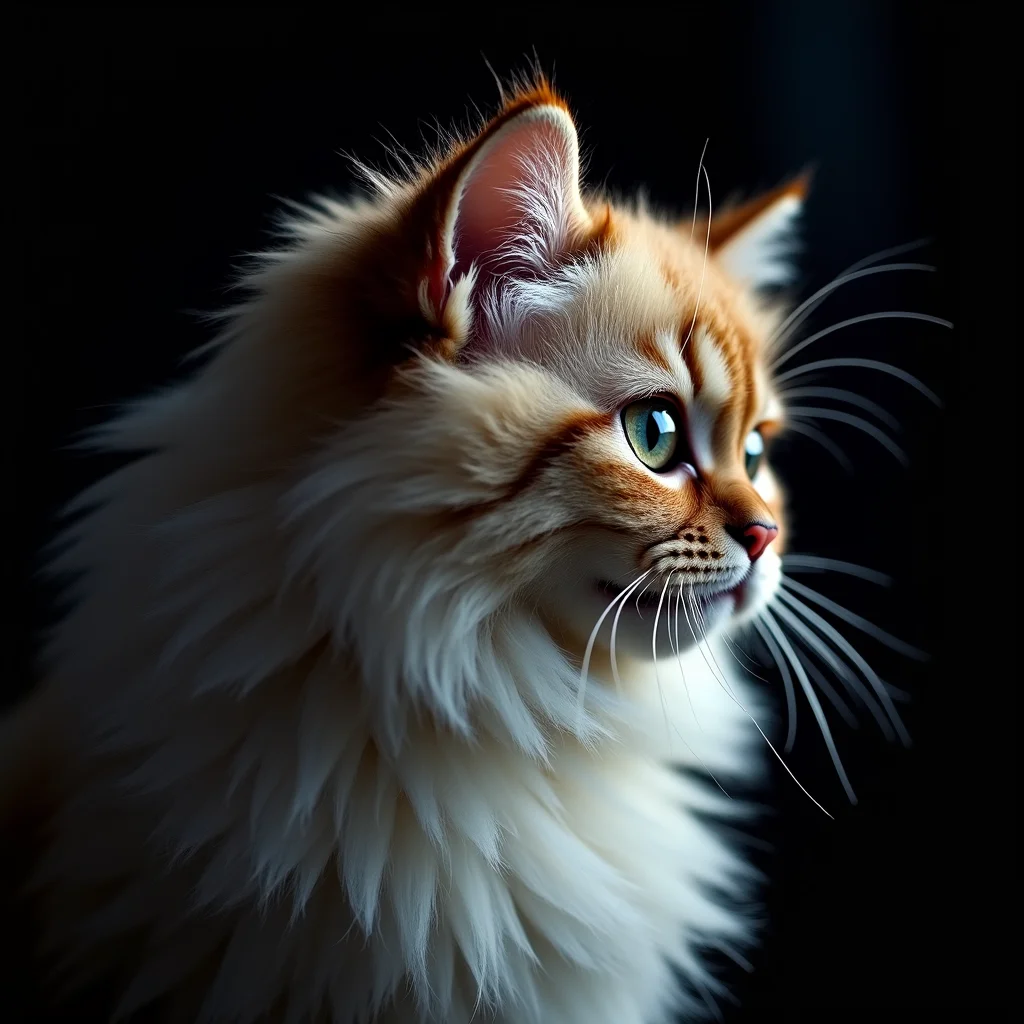
The Persian cat is a long-haired breed characterized by its round face and short muzzle, known for its sweet and gentle personality.
CARE INDEX
ECONOMICS & ORIGIN
SOCIAL COMPATIBILITY
RECOMMENDED CARE ITEMS
IDENTIFICATION TIP
"Same face as the Exotic Shorthair but with very long fur; distinguished from Himalayans by their eye color (typically copper for Persians)."
FREQUENTLY ASKED
Q. Is grooming really that difficult?
A. Yes, they are among the most high-maintenance breeds. Skipping even one day of brushing can lead to severe matting and skin issues.
Q. Why do they have so much eye discharge?
A. Their brachycephalic structure often pinches the tear ducts, causing tears to overflow. This is a breed trait rather than a disease but requires daily cleaning.
Q. I'm worried about their low activity level.
A. Persians are naturally sedentary. Instead of intense exercise, focus on short, consistent play sessions with interactive toys to keep them moving without overexertion.
Q. How often should I bathe them?
A. Monthly baths are recommended as their long fur can easily trap dirt. Ensuring the coat is completely dry down to the skin is vital for preventing fungal infections.
Q. Do they get along with other breeds?
A. Their calm nature means they can be stressed by highly active breeds. They pair best with other quiet cats or seniors who match their low energy.
OFFICIAL RECOGNITION
REFERENCES & SOURCES
* This guide describes general breed characteristics. For medical decisions, always consult a professional veterinarian.