IDEAL FOR
- + Owners who love the spotted wild aesthetic but want a 100% domestic temperament
- + People looking for an interactive companion to engage in advanced training and play
- + Active, social households with children or other pets
WEIGHT
3 - 6.5KG
LIFESPAN
12 - 15YEARS
THINK TWICE IF
- - Owners seeking a low-energy, quiet lap cat that stays in one place
- - Busy individuals who cannot provide the constant companionship this breed craves
- - Environments lacking the space or time for intense physical play and climbing
MORPHOLOGY STUDY
HEALTH RISK ADVISORY
Hypertrophic Cardiomyopathy (HCM)
Severity: Moderate
Renal Amyloidosis
Severity: Low
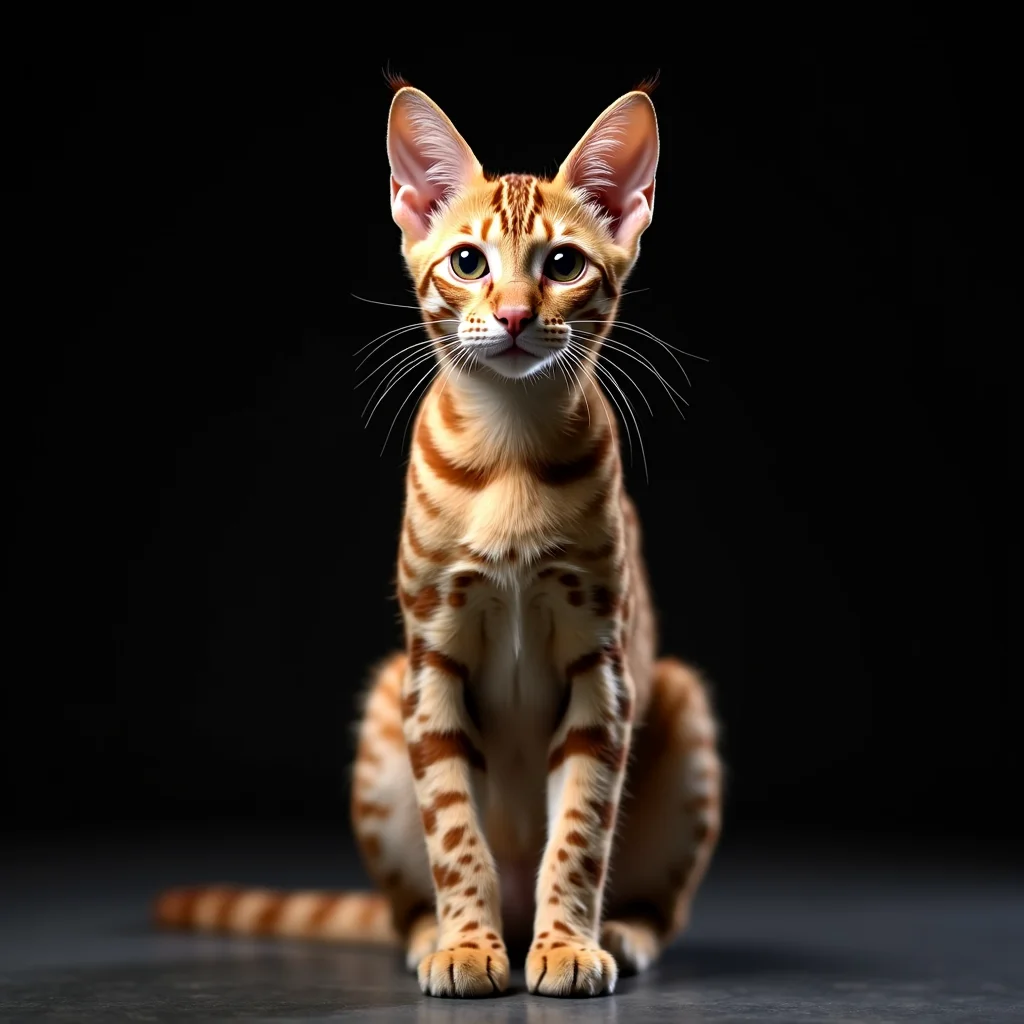
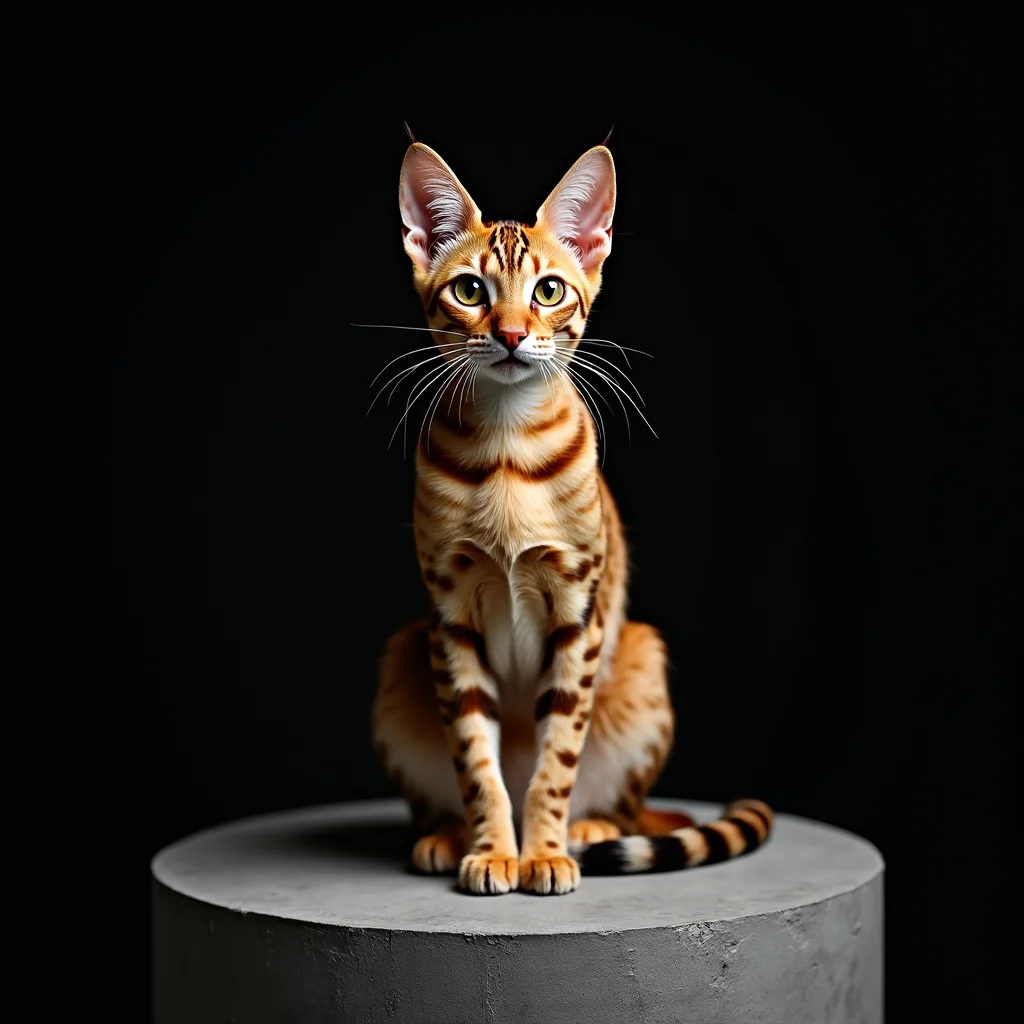
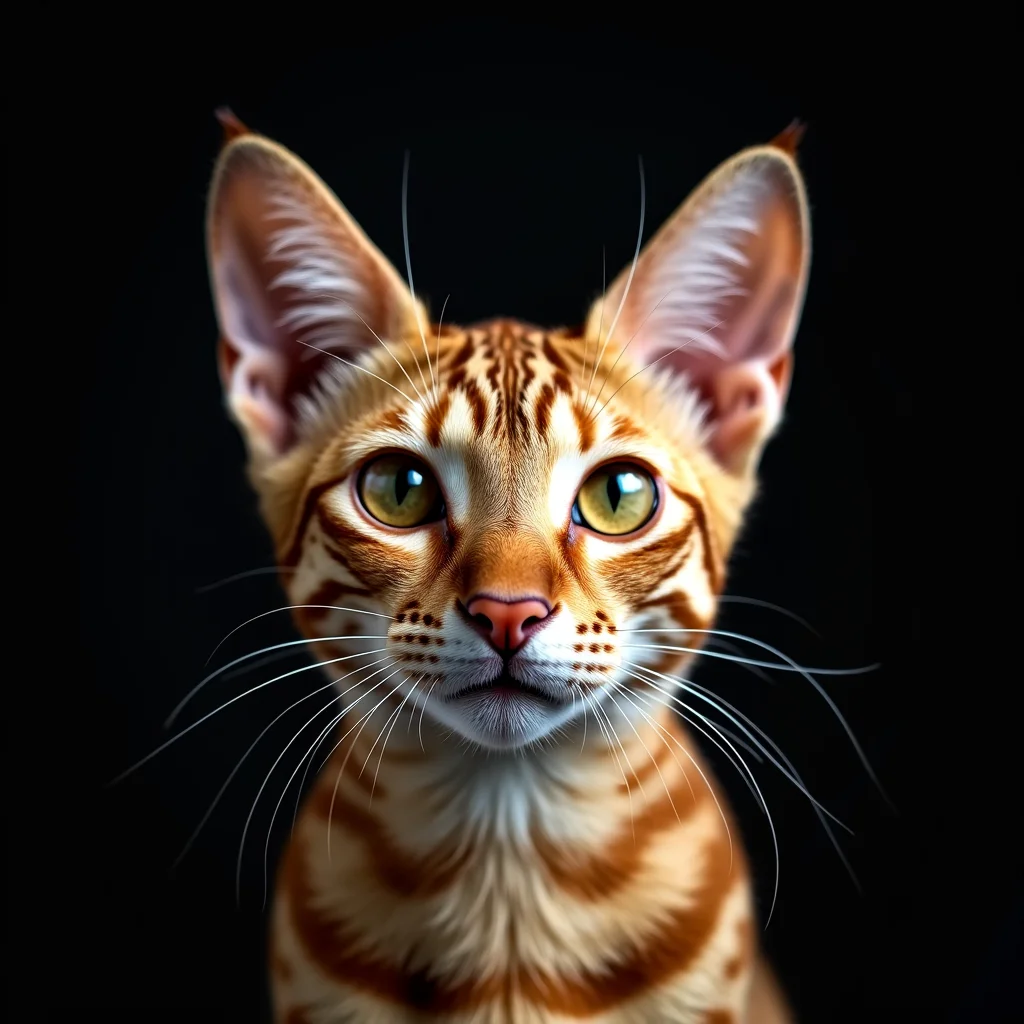
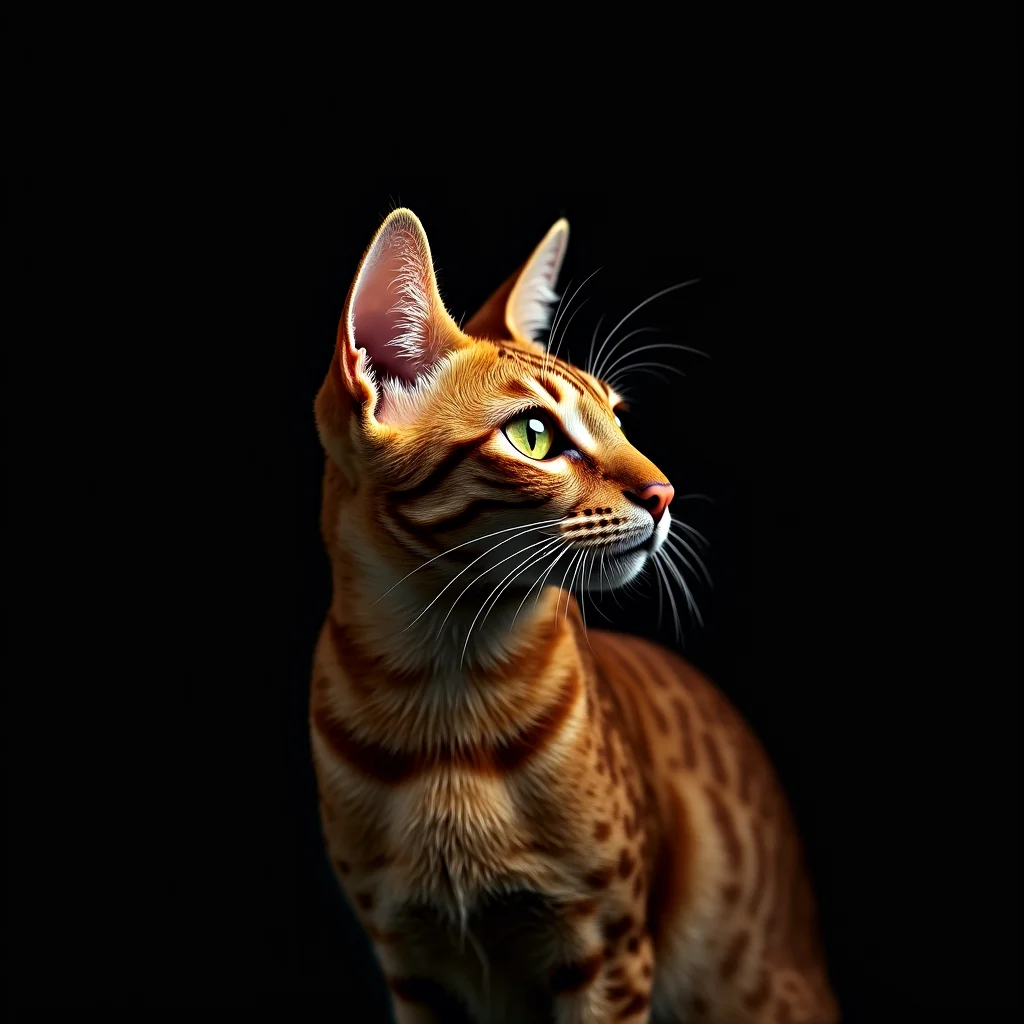
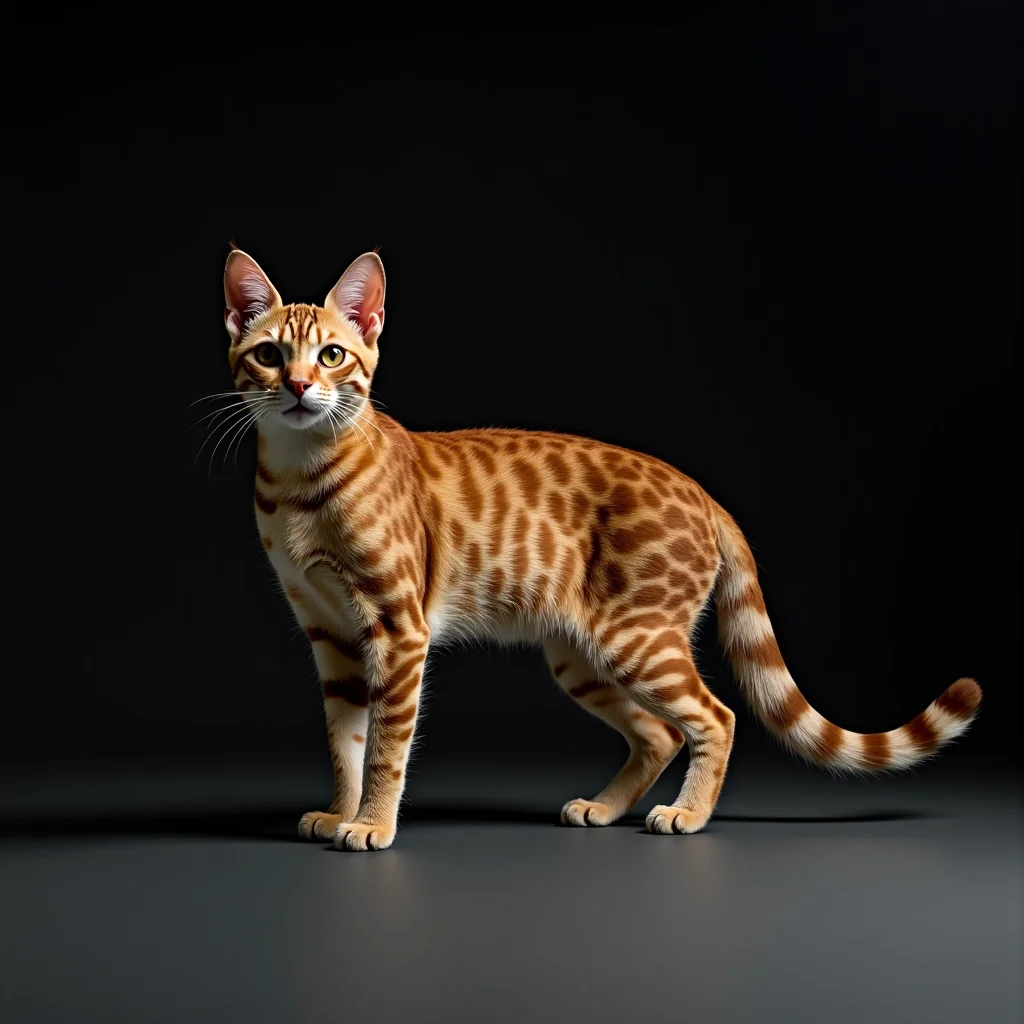
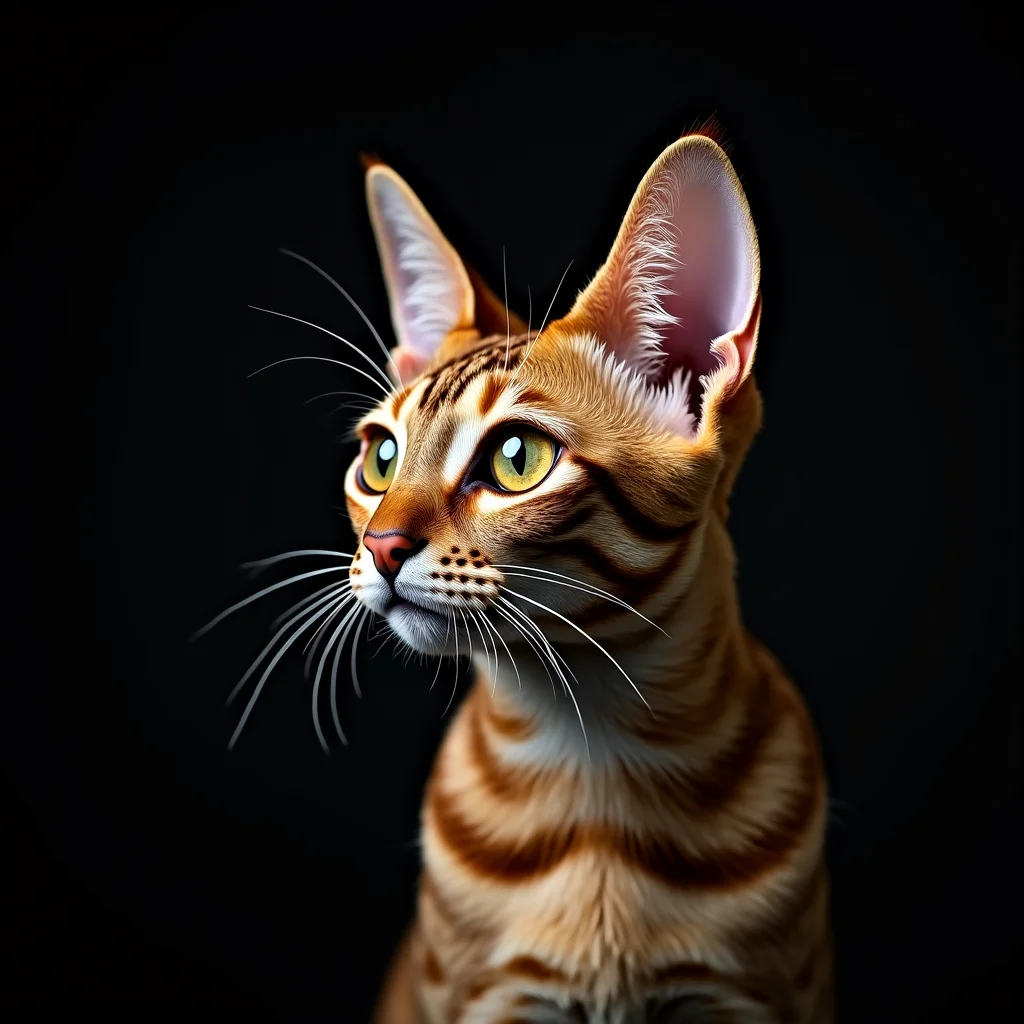
The Ocicat is an entirely domestic breed that remarkably resembles a wild spotted cat, known for its intelligence and athletic prowess.
CARE INDEX
GROOMING
SHEDDING
ACTIVITY
ECONOMICS & ORIGIN
PRICE RANGE
$1,200 - $3,000 (Cattery standard)
ORIGIN & BIOLOGY
United States / substantial
SOCIAL COMPATIBILITY
KIDS
OTHER CATS
DOGS
STRANGERS
RECOMMENDED CARE ITEMS
Premium Cat Harness and Leash Set
Essential for safely enjoying the outdoors with a breed known for its high trainability and curiosity
Interactive Food Puzzle Toy
Engages their sharp minds and prevents destructive behavior caused by boredom
IDENTIFICATION TIP
"Unlike the rosettes of a Bengal, Ocicats feature solid, thumbprint-shaped spots scattered across their bodies."
FREQUENTLY ASKED
Q. Do they have any wild DNA?
A. No, Ocicats are 100% domestic, bred from Abyssinian, Siamese, and American Shorthair lines. They have the look of the wild but the heart of a lap cat.
Q. Can they actually be trained?
A. Absolutely. Their intelligence and confidence make them excellent candidates for leash training, responding to voice commands, and playing fetch.
OFFICIAL RECOGNITION
REFERENCES & SOURCES
CFA (The Cat Fanciers' Association)
CFA (The Cat Fanciers' Association) VIEW OFFICIAL STANDARD
CFA (The Cat Fanciers' Association) VIEW OFFICIAL STANDARD →TICA (The International Cat Association)
TICA (The International Cat Association) VIEW OFFICIAL STANDARD
TICA (The International Cat Association) VIEW OFFICIAL STANDARD →* This guide describes general breed characteristics. For medical decisions, always consult a professional veterinarian.