IDEAL FOR
- + Owners who love longhair beauty and enjoy regular grooming
- + People who prefer a naturally healthy and robust cat breed
- + Active households with children or other pets
THINK TWICE IF
- - Owners who cannot tolerate high amounts of shedding in the home
- - Homes that lack the space for essential vertical climbing structures
- - People who may find the care of a large, heavy cat physically demanding
MORPHOLOGY STUDY
HEALTH RISK ADVISORY
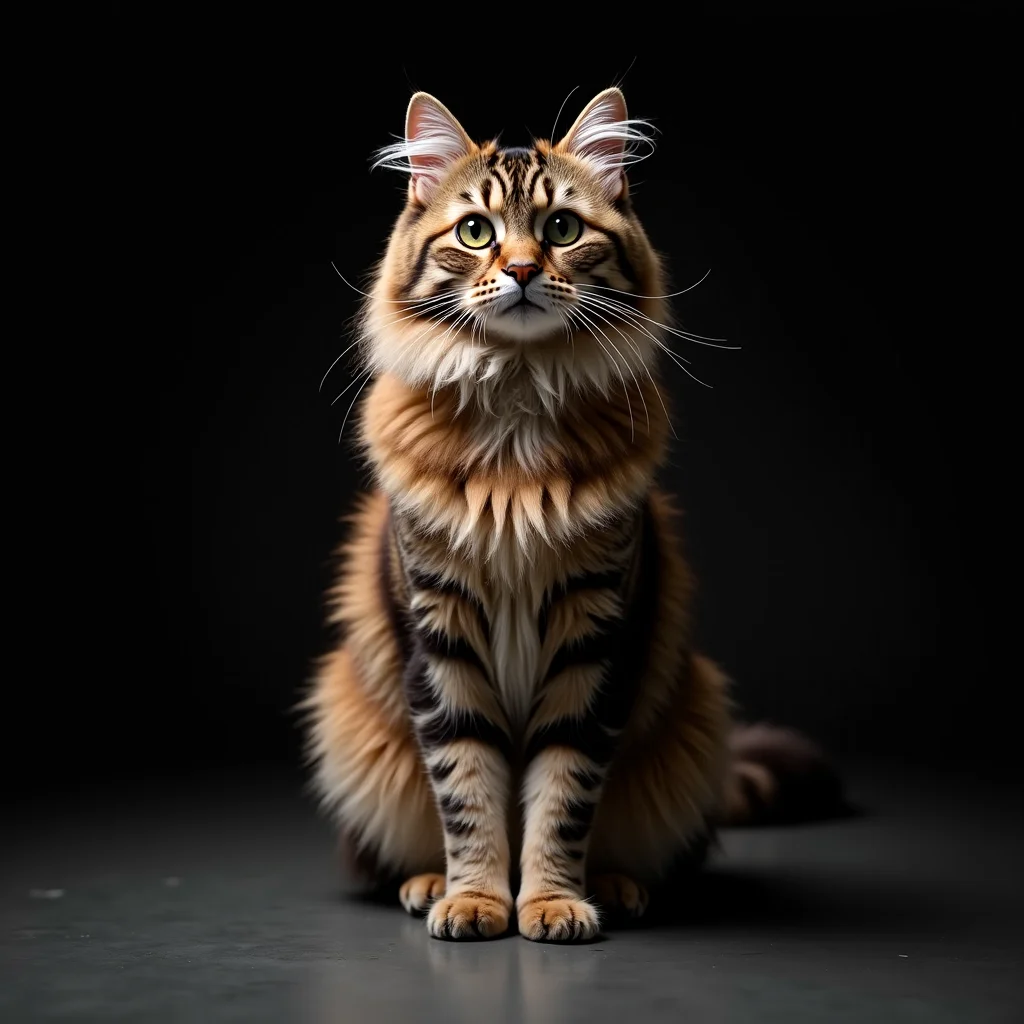
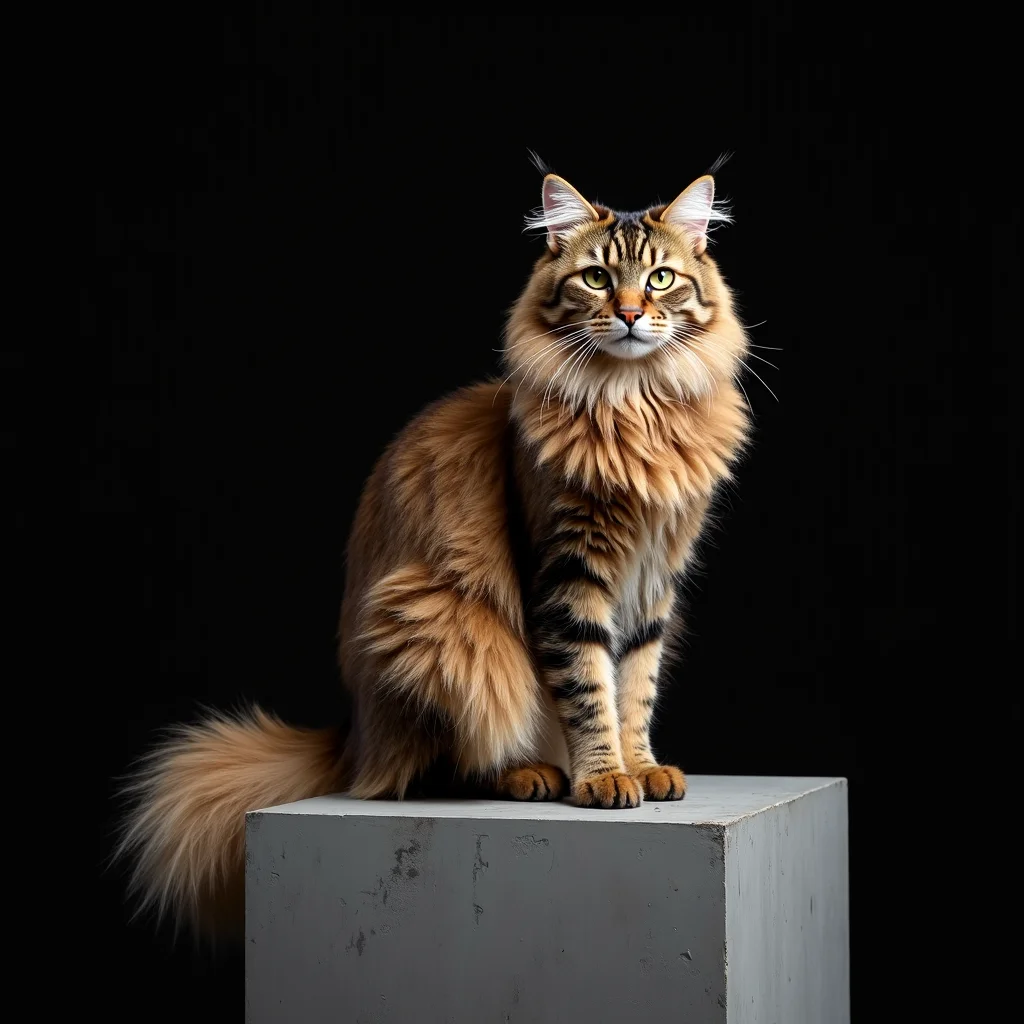
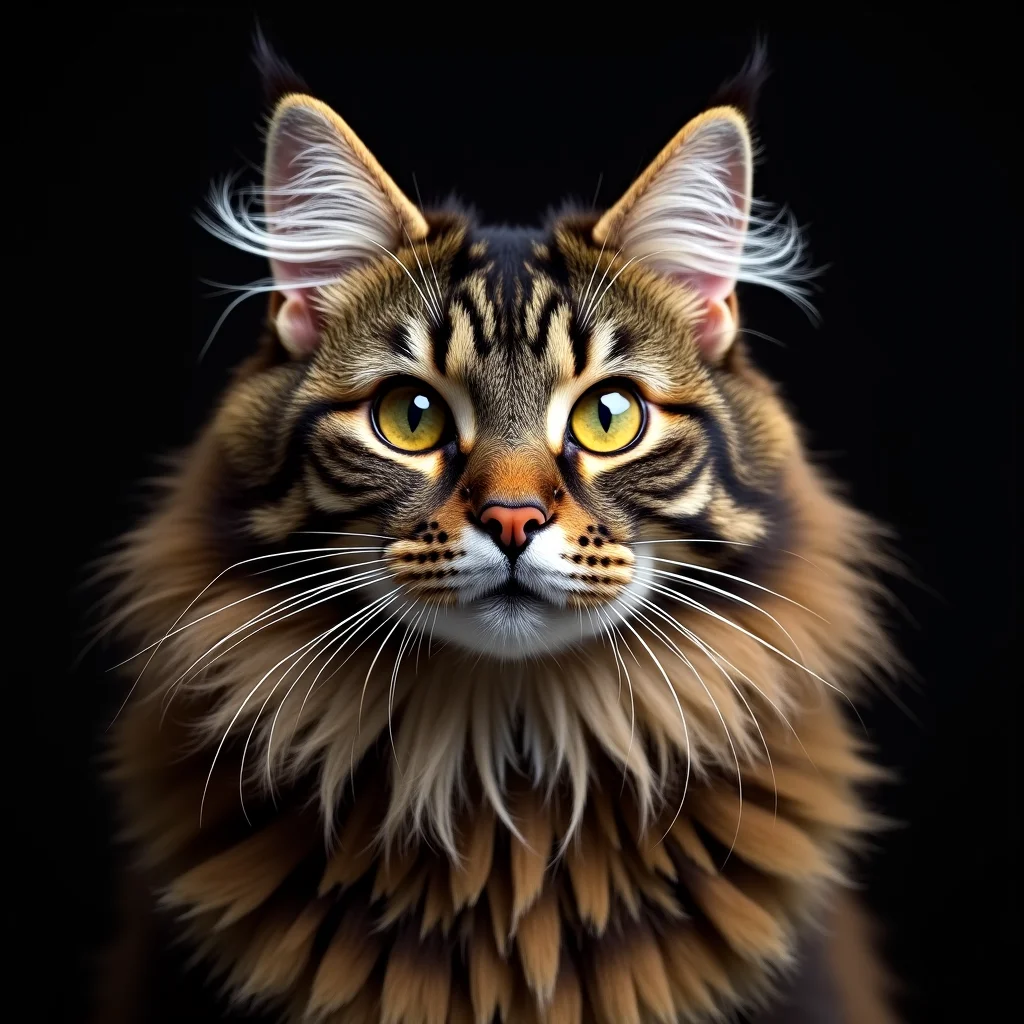
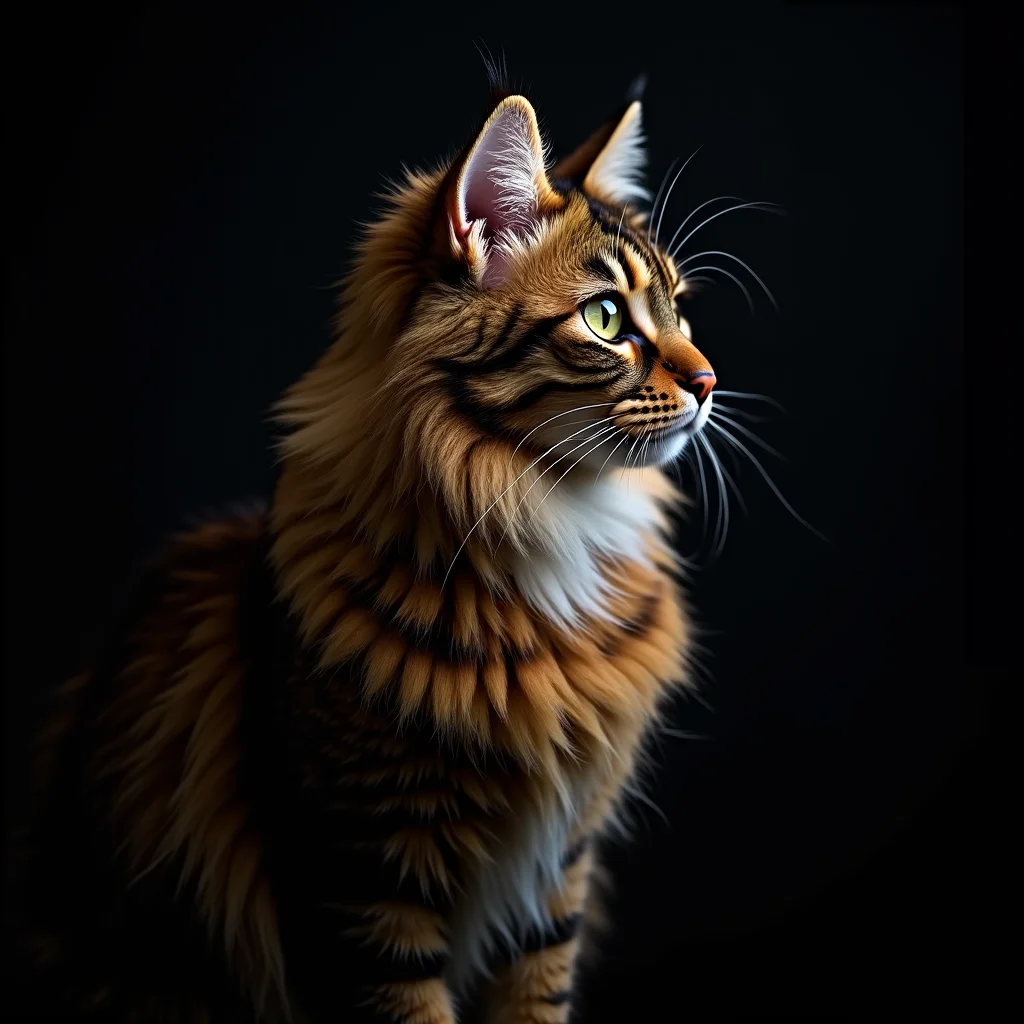
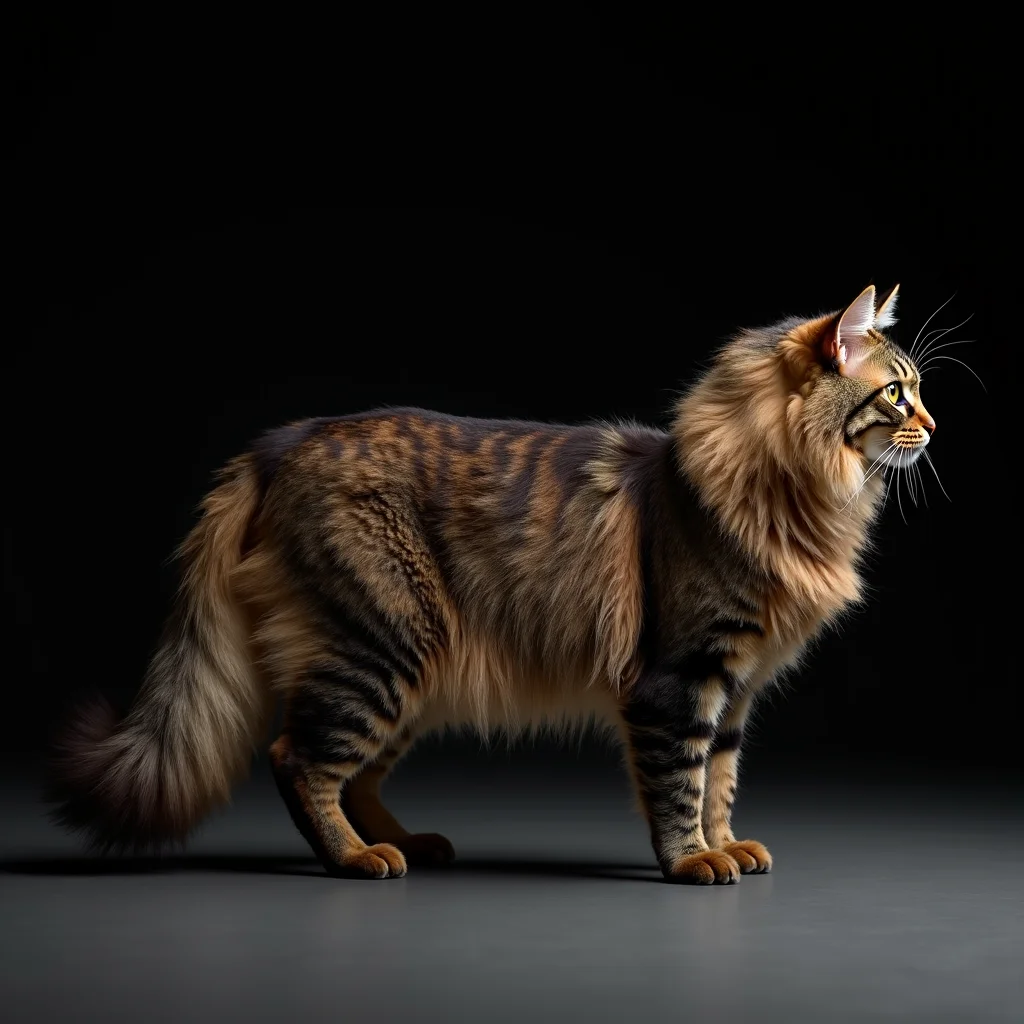
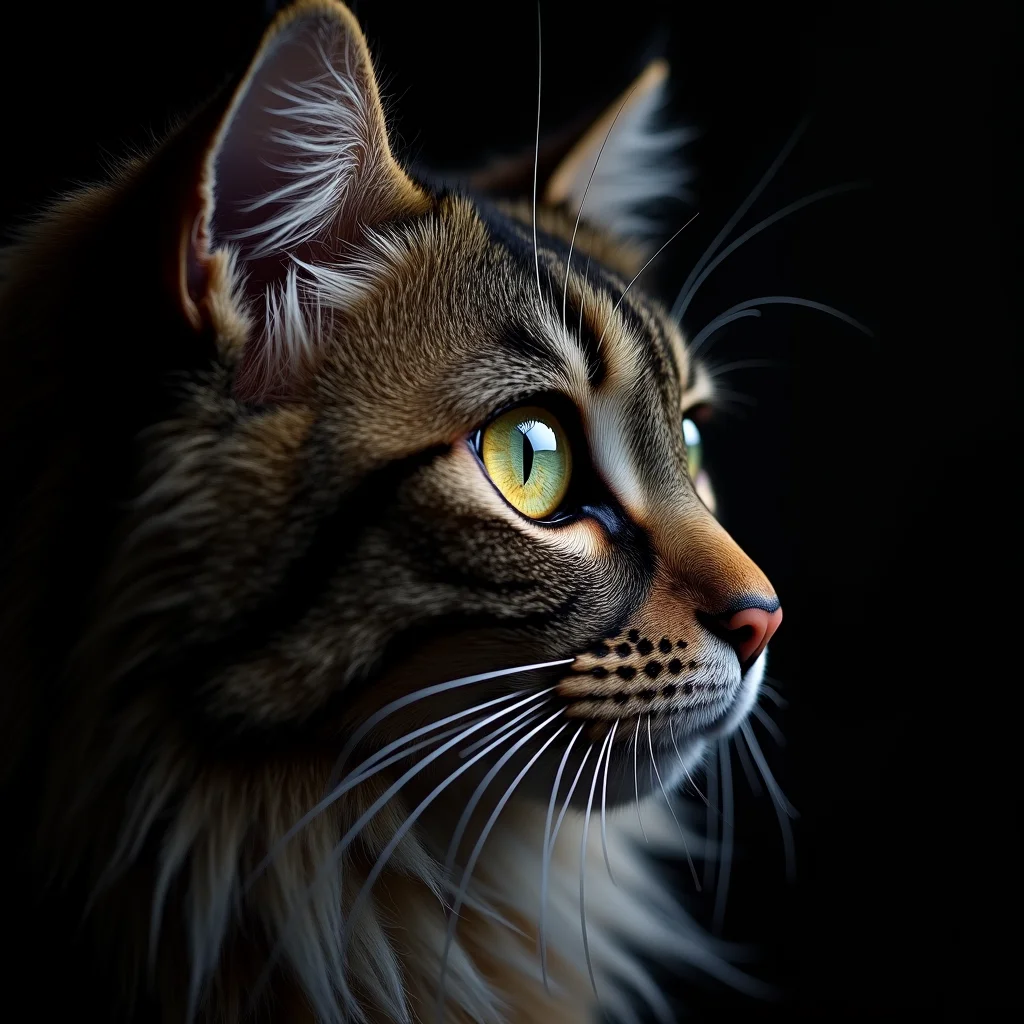
The Norwegian Forest Cat is a breed of domestic cat native to Northern Europe, adapted to a very cold climate.
CARE INDEX
ECONOMICS & ORIGIN
SOCIAL COMPATIBILITY
RECOMMENDED CARE ITEMS
IDENTIFICATION TIP
"Look for a triangular head shape and a perfectly straight profile without a nose break, unlike the Maine Coon."
FREQUENTLY ASKED
Q. How are they different from Maine Coons?
A. Norwegian Forest Cats have a straight profile and triangular head, while Maine Coons have a concave profile and more squared muzzle. Also, Wegies have slightly longer hind legs.
Q. Are they too large for apartments?
A. Despite their size, their calm nature makes them excellent indoor pets. Prioritizing vertical space like tall cat trees is more important than total floor area.
Q. Do they like water?
A. Thanks to their water-repellent coats, they are often less fearful of water than other breeds and may enjoy playing with dripping taps or in basins.
Q. Does their coat change in winter?
A. Yes, they develop a dense undercoat and a magnificent ruff around the neck to withstand cold winters, which they then shed as the weather warms up.
Q. How intelligent are they?
A. They are highly intelligent problem-solvers who can learn to open doors or perform tricks. They are also known for their emotional intelligence toward their owners.
OFFICIAL RECOGNITION
REFERENCES & SOURCES
* This guide describes general breed characteristics. For medical decisions, always consult a professional veterinarian.