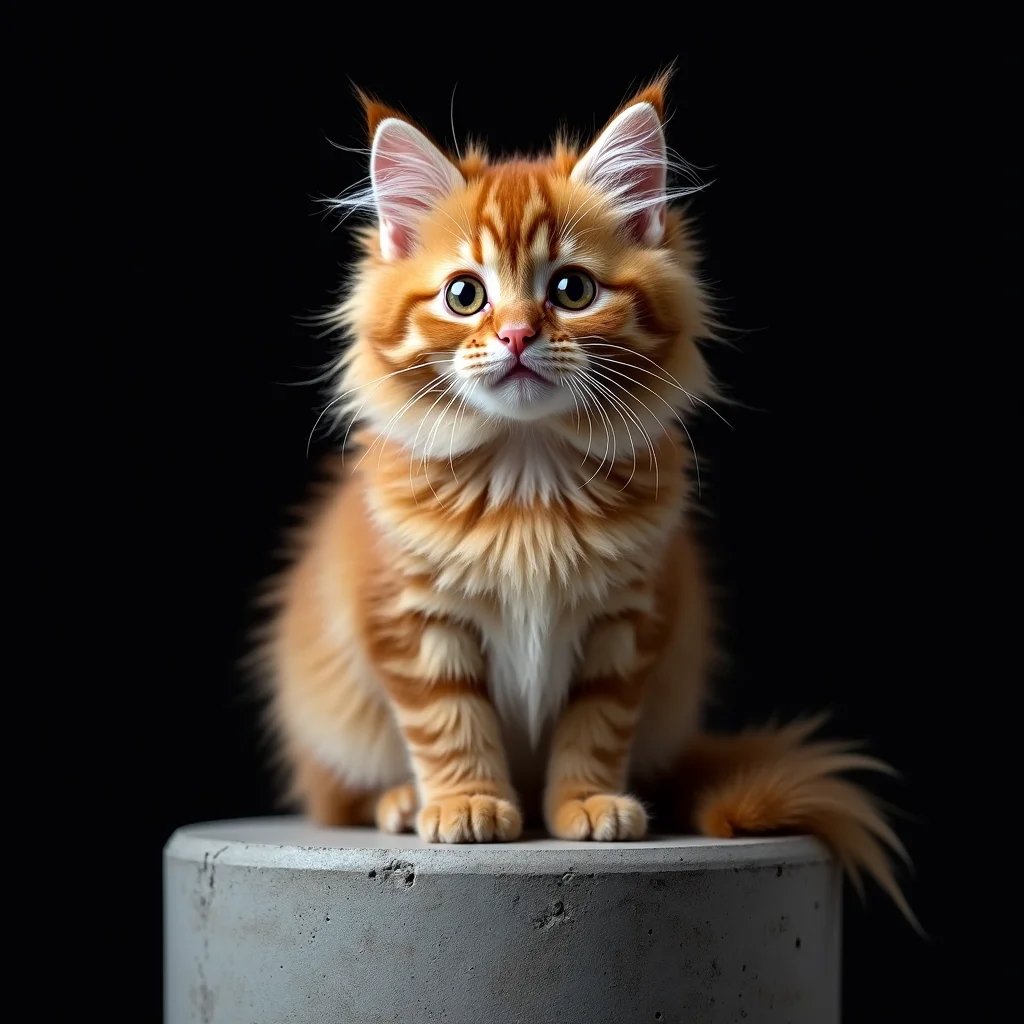
IDEAL FOR
- + Owners who value a small, cute appearance and a social temperament
- + People looking for a pet suited for apartment or indoor living
- + Beginners who want an interactive and affectionate companion
THINK TWICE IF
- - Owners who want a cat that can jump to the highest shelves freely
- - People who cannot commit to the strict diet needed for weight control
- - Those with high concerns regarding potential genetic health predispositions
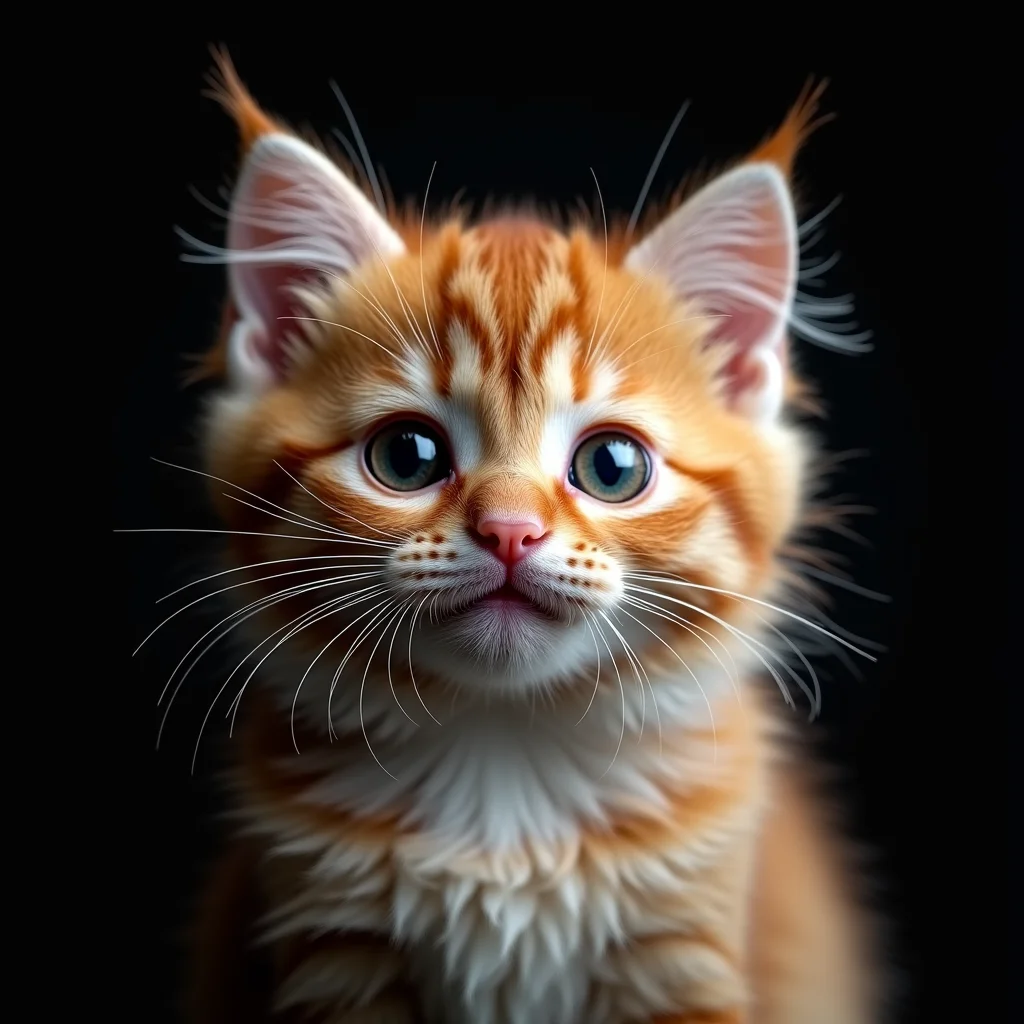
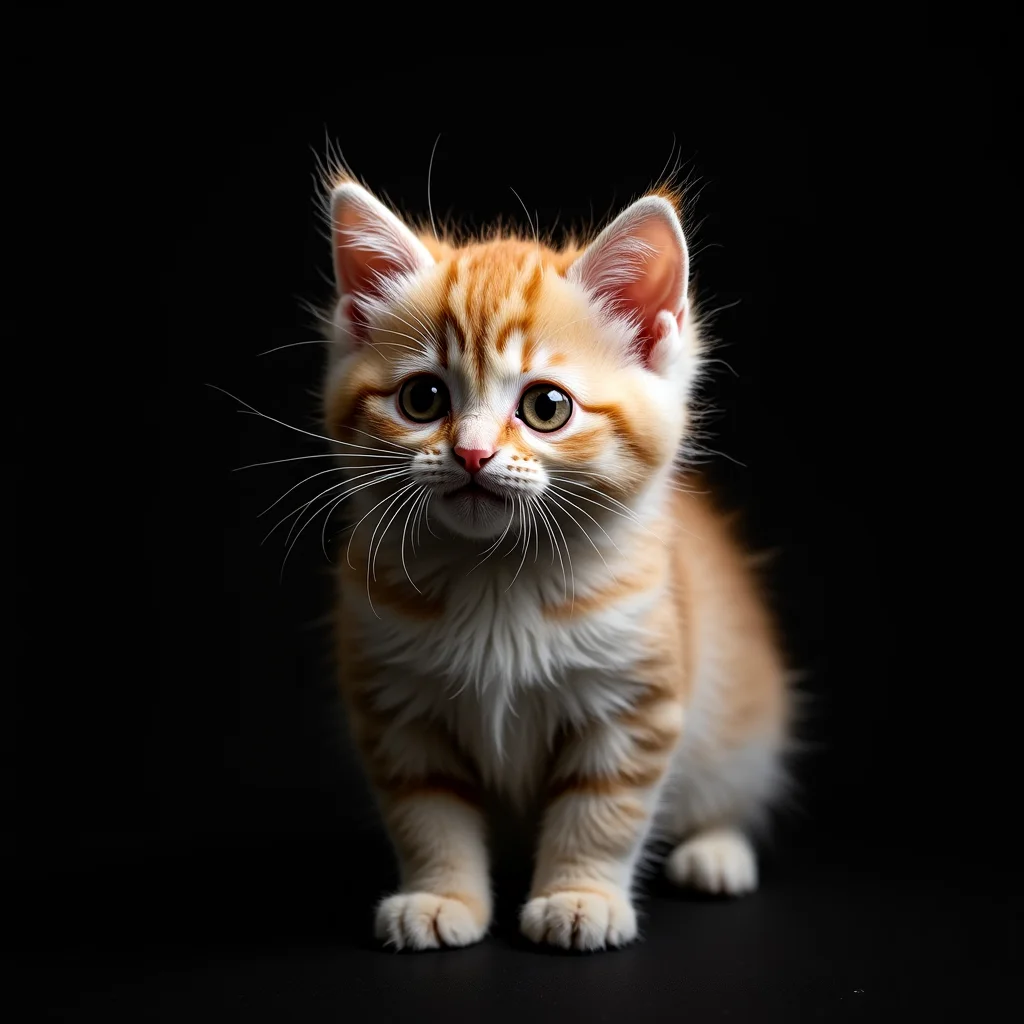
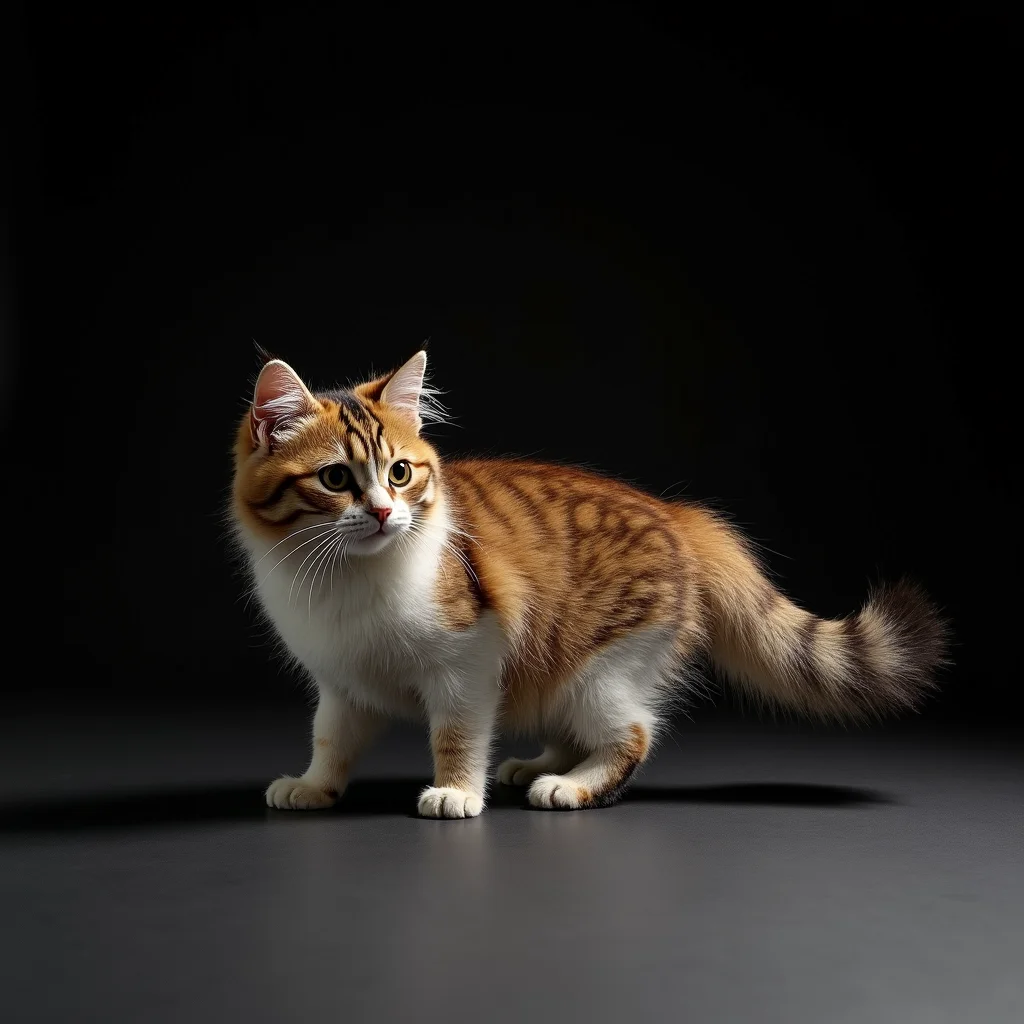
MORPHOLOGY STUDY
HEALTH RISK ADVISORY
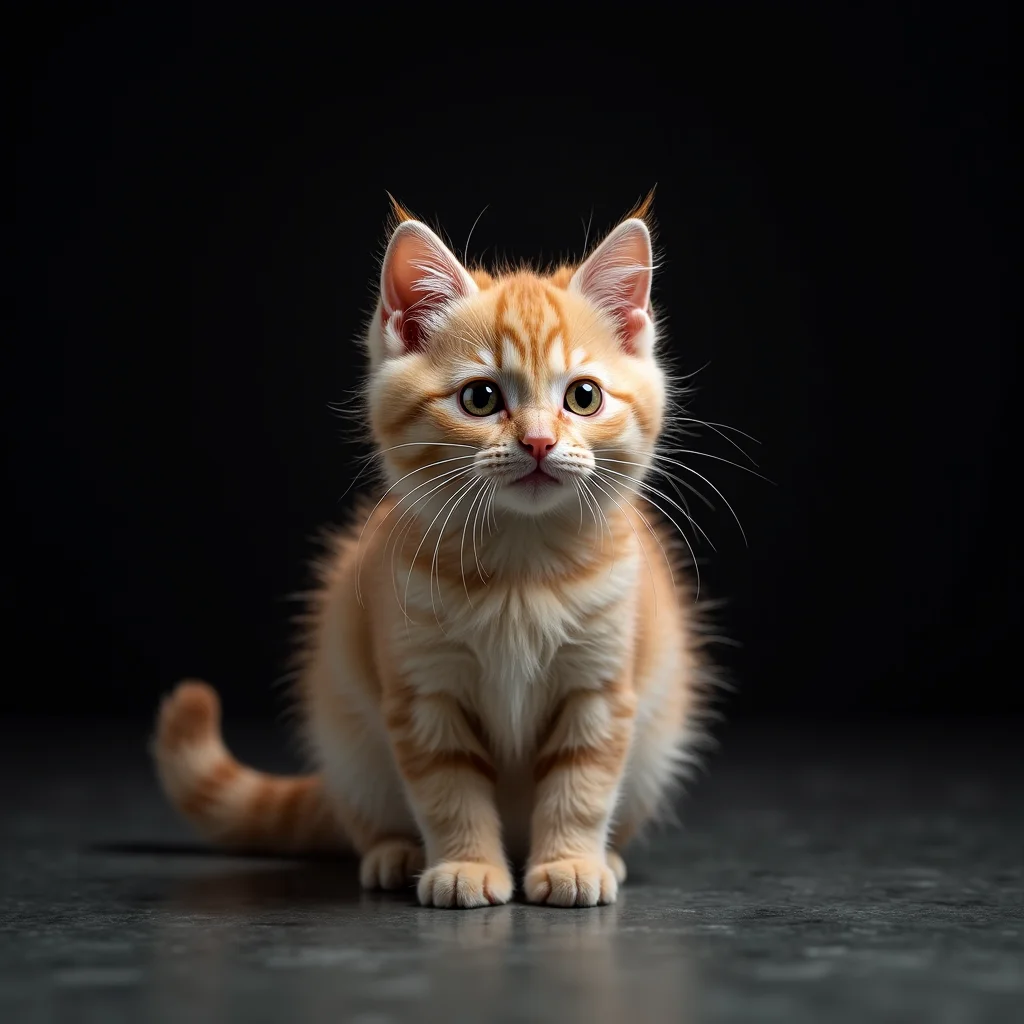
The Munchkin cat is a relatively new breed of cat characterized by its very short legs, which are caused by a genetic mutation.
CARE INDEX
ECONOMICS & ORIGIN
SOCIAL COMPATIBILITY
RECOMMENDED CARE ITEMS
IDENTIFICATION TIP
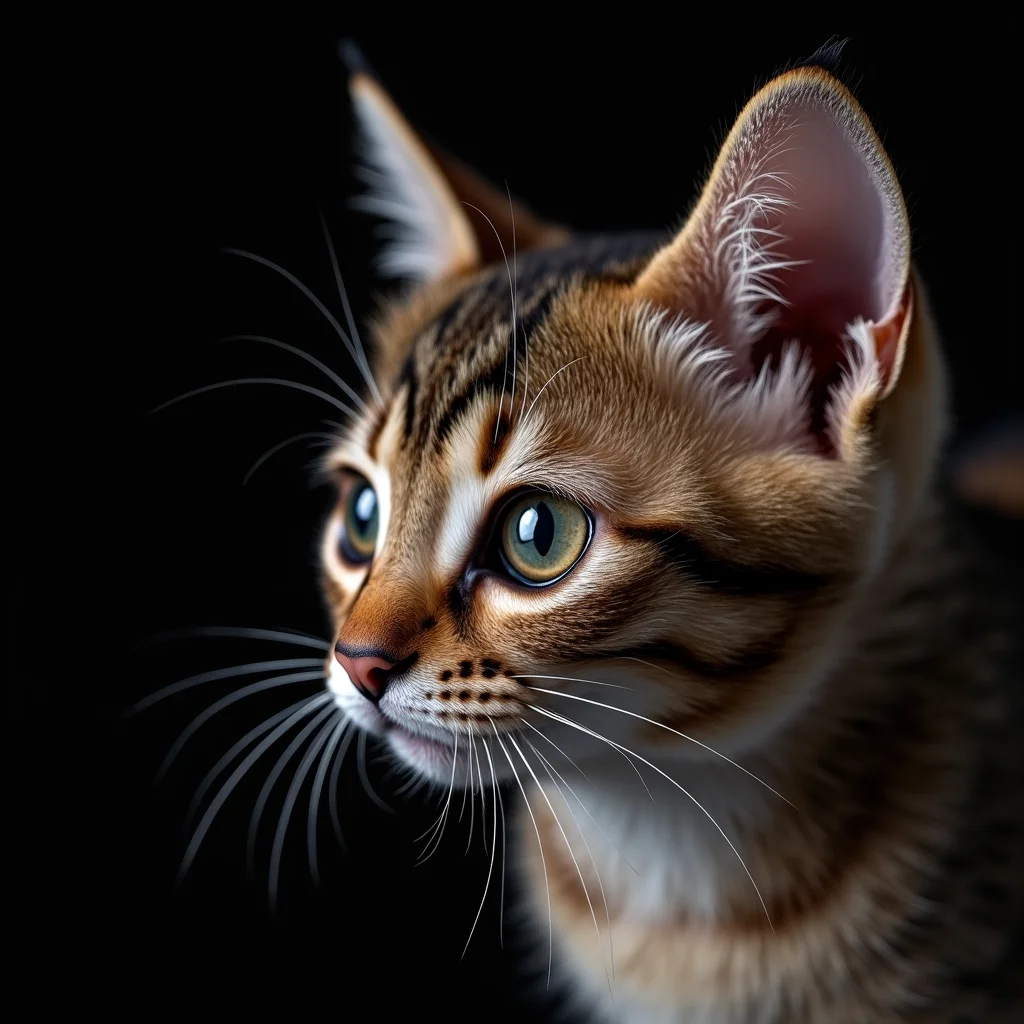
"The short legs are the defining trait; other features like face shape and body build can vary greatly due to outcrossing."
FREQUENTLY ASKED
Q. Can they not jump at all?
A. No, they can still jump, though not as high as long-legged cats. They can easily reach sofas or beds, but using pet stairs is recommended to prevent strain.
Q. Are they prone to severe genetic diseases?
A. Their short legs are a natural mutation. Unlike short-legged dogs, they have fewer spinal issues, but monitoring for chest bone deformities and obesity is important.
Q. Are they slow runners?
A. Not at all! While their stride is shorter, they move their legs incredibly fast and can reach surprising speeds when zooming around.
Q. What is a Munchkin Kilt?
A. It is a cross between a Munchkin and a Scottish Fold. Note that combining two genetic mutations requires extreme caution and ethical breeding practices.
Q. Do they have a shorter lifespan?
A. No, their lifespan is similar to most domestic cats, typically ranging from 12 to 15 years or more with proper care.
OFFICIAL RECOGNITION
REFERENCES & SOURCES
* This guide describes general breed characteristics. For medical decisions, always consult a professional veterinarian.