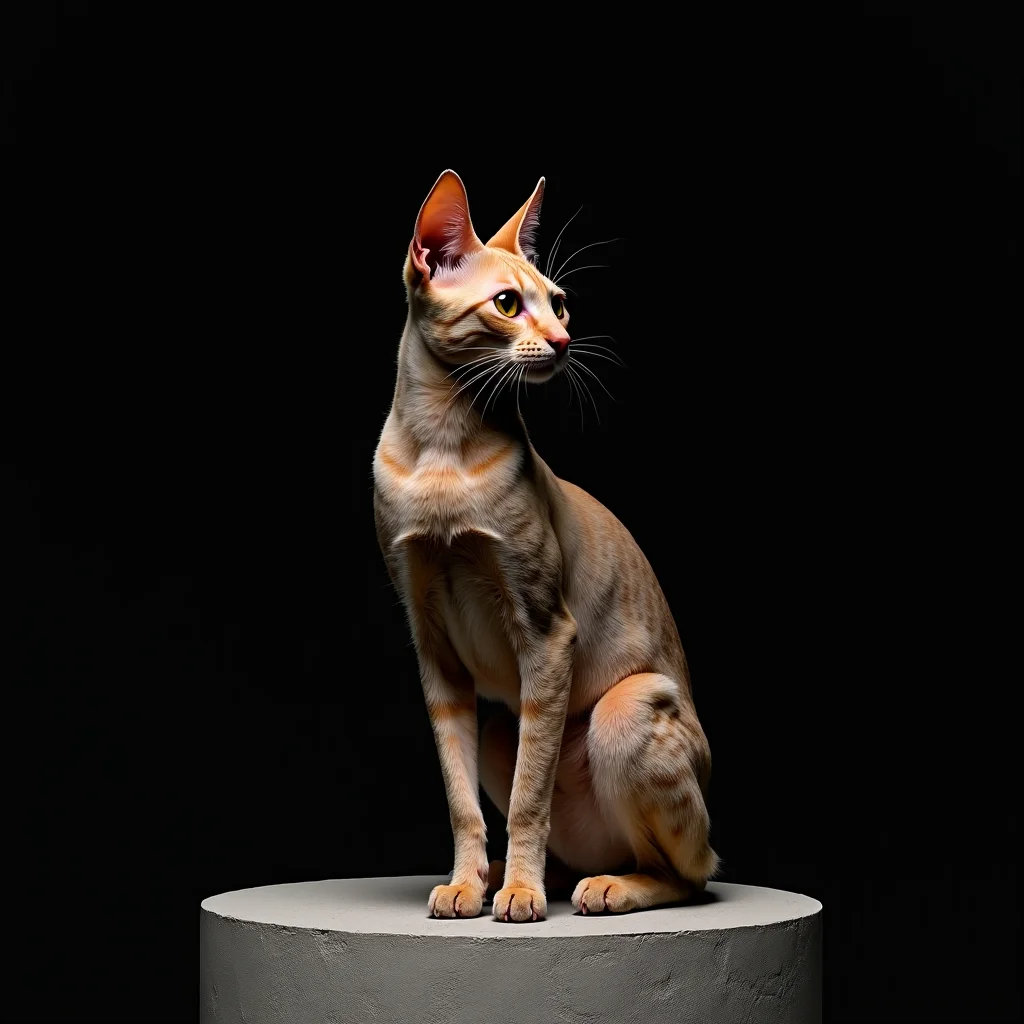
IDEAL FOR
- + Owners who appreciate their unique tailless look and rabbit-like gait
- + Families seeking a loyal and dog-like feline companion
- + Lively households with children or dogs where a social cat is essential
WEIGHT
3.5 - 5.5KG
LIFESPAN
12 - 16YEARS
THINK TWICE IF
- - Owners concerned about the potential medical costs of Manx-related spinal issues
- - People unable to commit to frequent grooming of a dense double coat
- - Environments where high-surface climbing must be strictly limited
MORPHOLOGY STUDY
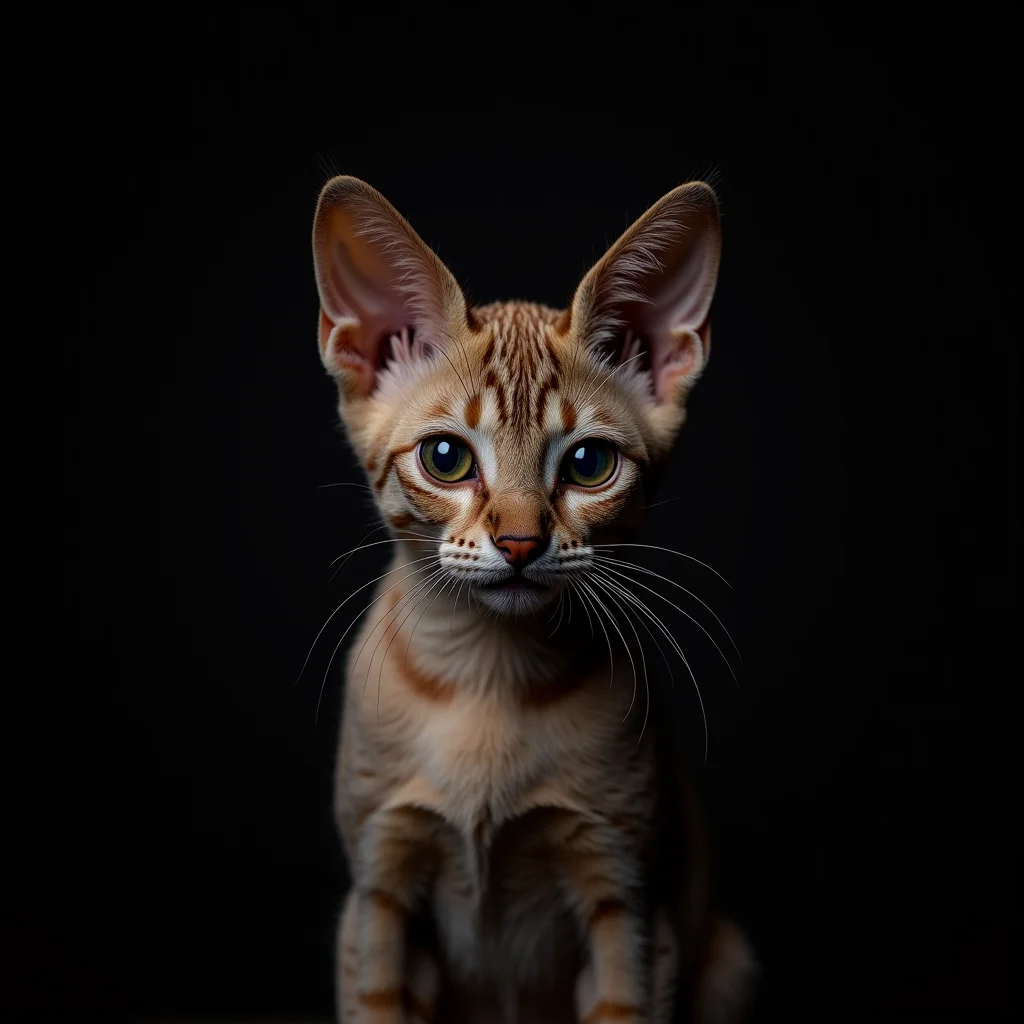
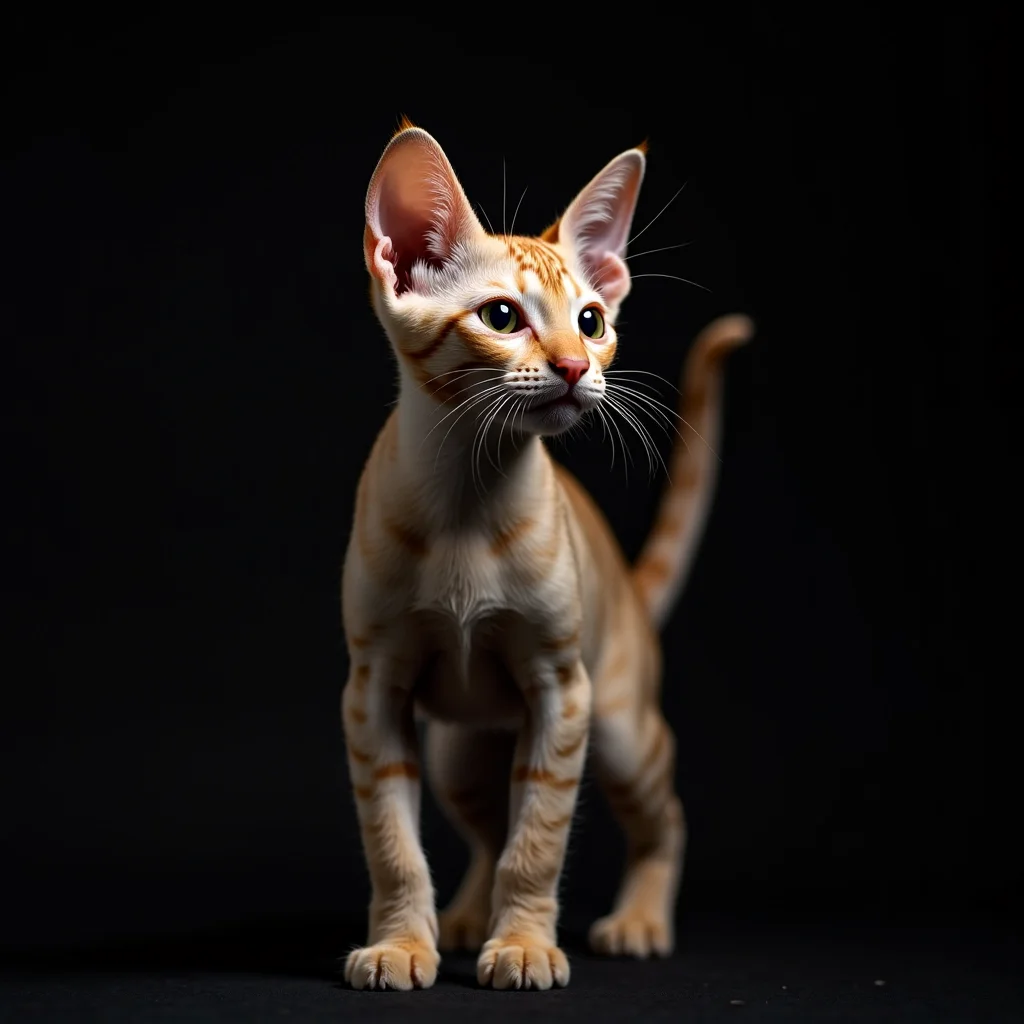
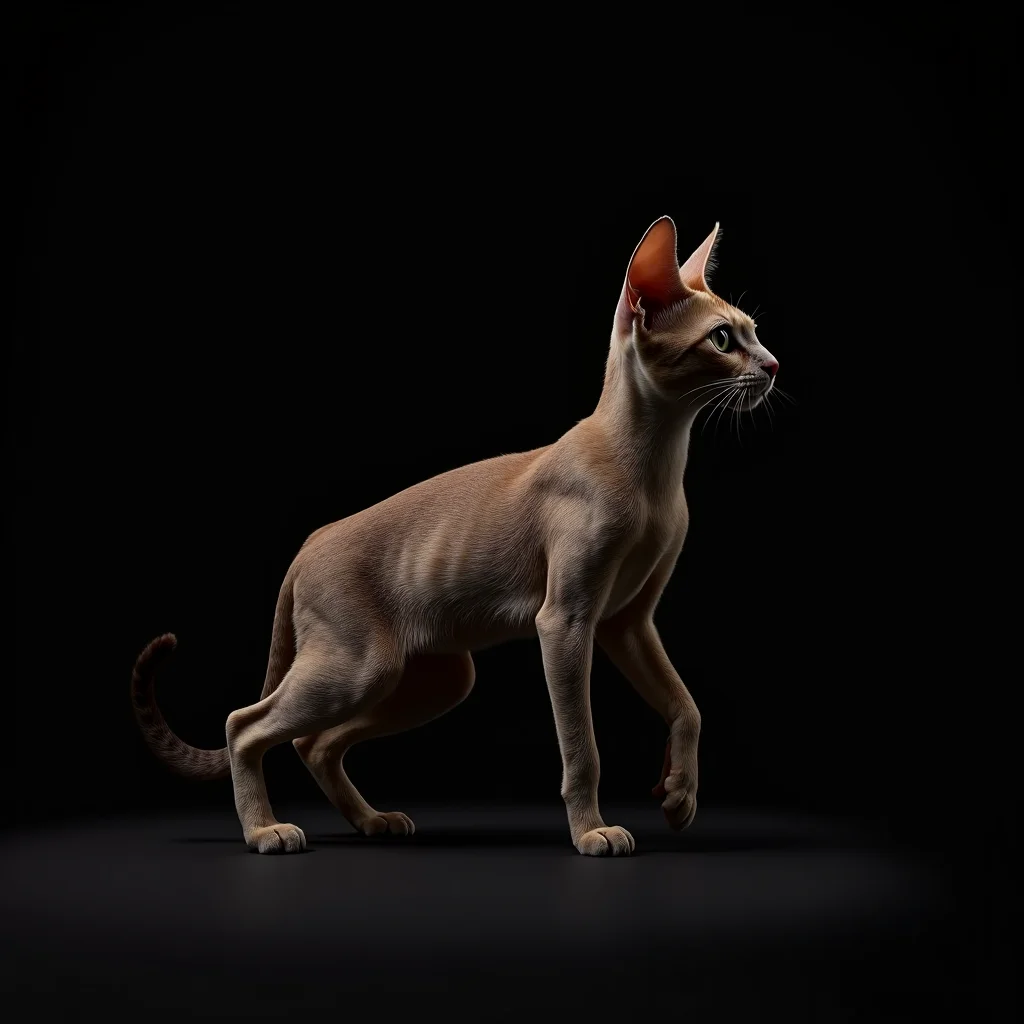
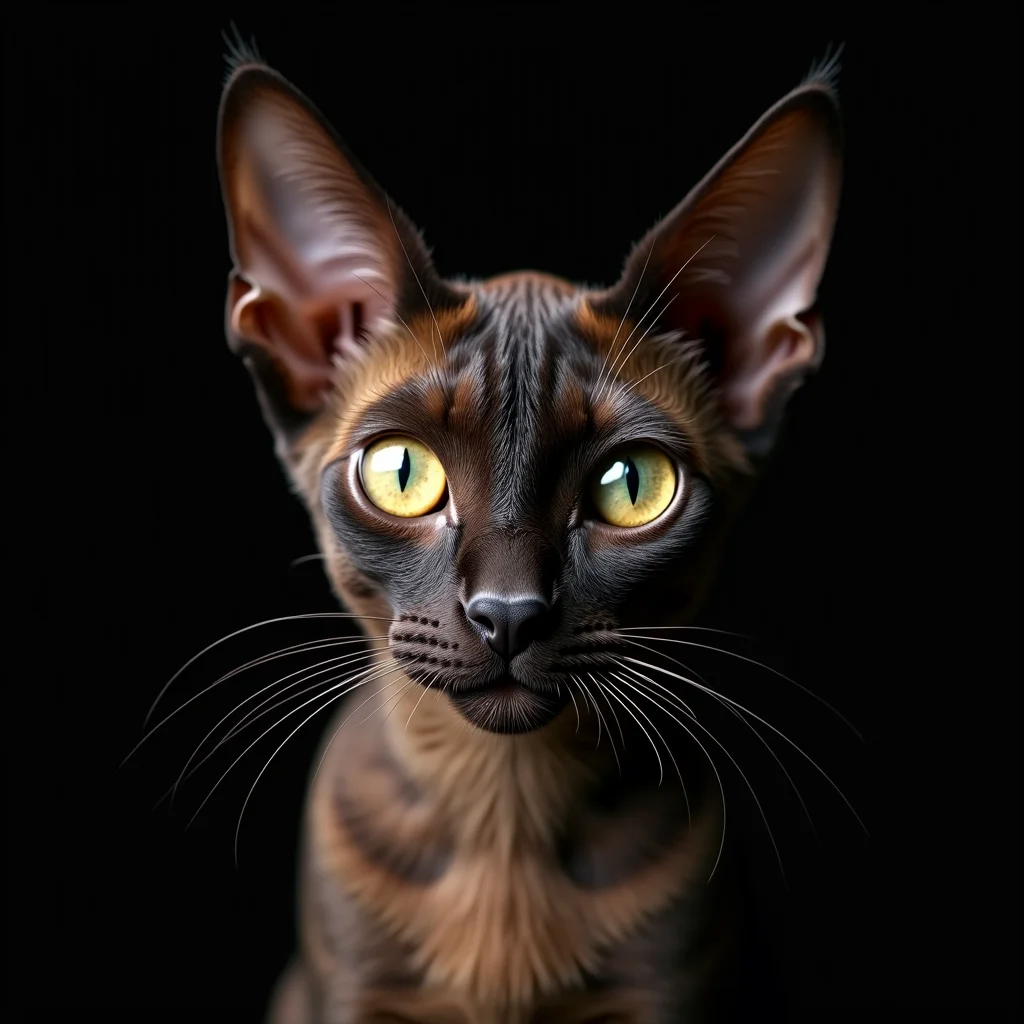
HEALTH RISK ADVISORY
Manx Syndrome
Severity: Critical
Spina Bifida
Severity: High
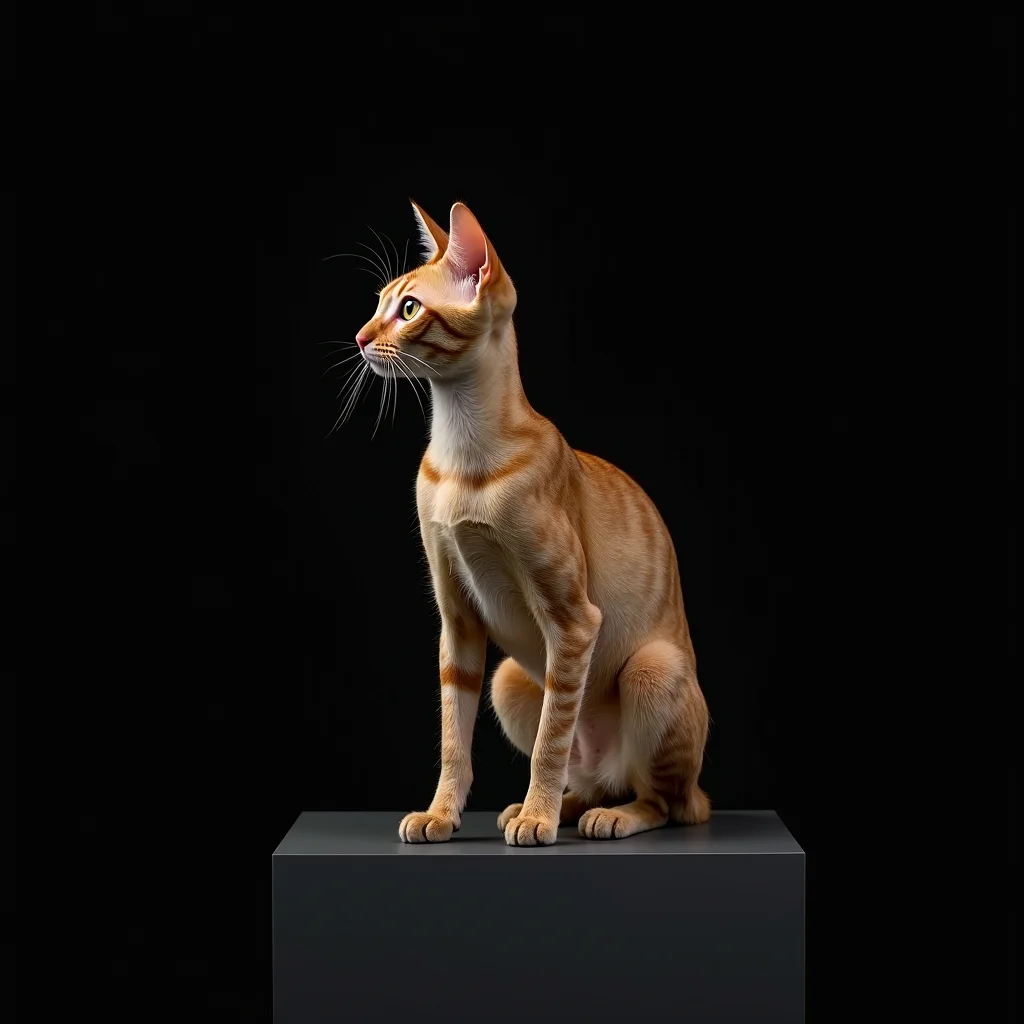
The Manx is an ancient breed known for its lack of a tail and its dog-like devotion to its owners.
CARE INDEX
GROOMING
SHEDDING
ACTIVITY
ECONOMICS & ORIGIN
PRICE RANGE
$1,500 - $4,000 (US standard; rare in Korea)
ORIGIN & BIOLOGY
Isle of Man / substantial
SOCIAL COMPATIBILITY
KIDS
OTHER CATS
DOGS
STRANGERS
RECOMMENDED CARE ITEMS
Heavy-Duty Wooden Pet Steps
Protects the spine and joints of a breed that loves to jump but is prone to spinal issues
Weight Management Formula
Crucial for preventing obesity, which can exacerbate genetic spinal complications
IDENTIFICATION TIP
"Look for total taillessness and a 'hopping' gait caused by hind legs being longer than front legs."
FREQUENTLY ASKED
Q. Are they completely tailless?
A. They range from 'Rumpy' (no tail) to 'Stumpy' (short tail). The 'Rumpy' is the most prized for show standards and lacks a tail entirely.
Q. What is Manx Syndrome?
A. A condition where the tailless gene causes the spine to shorten too much, leading to neurological issues. Always source from breeders who screen for this.
OFFICIAL RECOGNITION
REFERENCES & SOURCES
CFA (The Cat Fanciers' Association)
CFA (The Cat Fanciers' Association) VIEW OFFICIAL STANDARD
CFA (The Cat Fanciers' Association) VIEW OFFICIAL STANDARD →TICA (The International Cat Association)
TICA (The International Cat Association) VIEW OFFICIAL STANDARD
TICA (The International Cat Association) VIEW OFFICIAL STANDARD →* This guide describes general breed characteristics. For medical decisions, always consult a professional veterinarian.