IDEAL FOR
- + First-time owners looking for a robust, healthy cat with minimal health issues
- + Adopters who want to practice life-saving by rescuing a local native cat
- + Those seeking a unique companion from a wide variety of patterns and personalities
THINK TWICE IF
- - Owners looking for the predictable, standardized traits of a pedigree breed
- - People who expect a purely sedentary 'lap cat' without high energy needs
- - Households unable to dedicate time for active play and environmental enrichment
MORPHOLOGY STUDY
HEALTH RISK ADVISORY
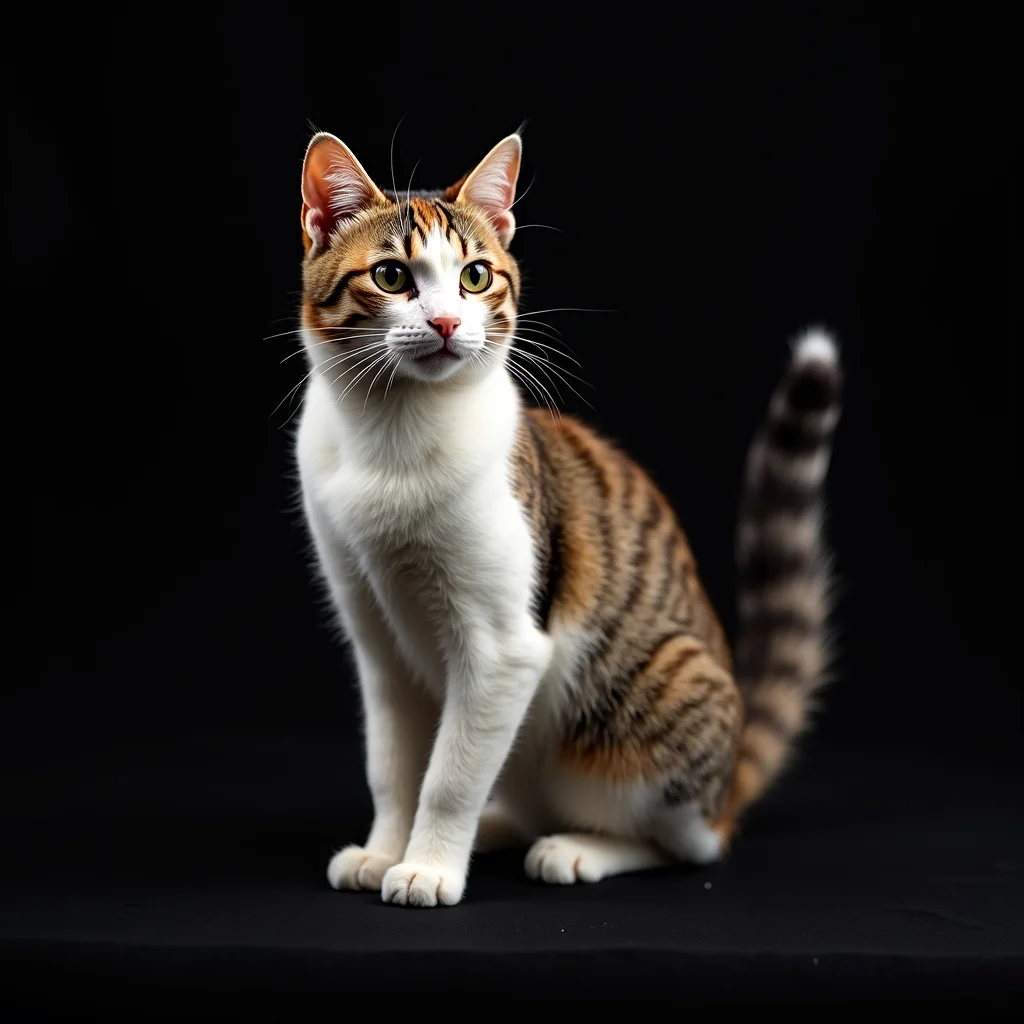
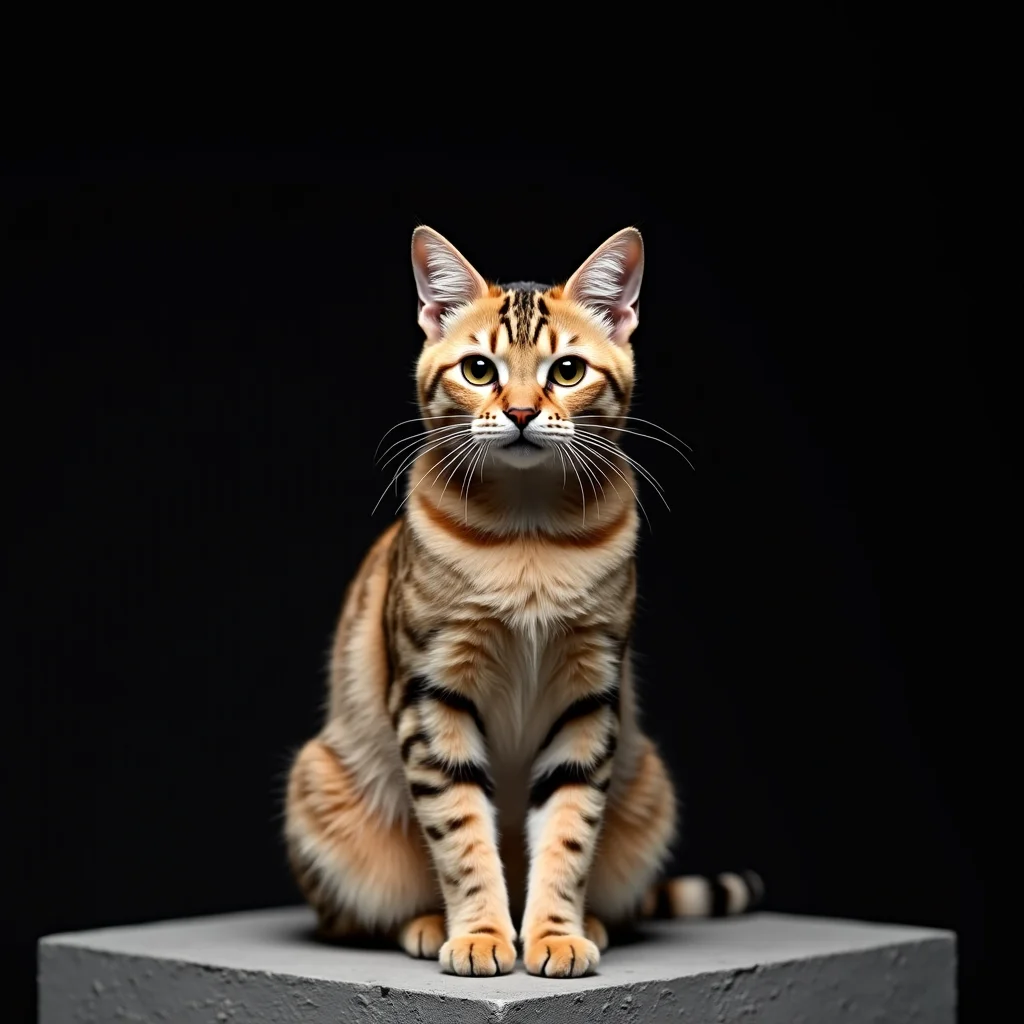
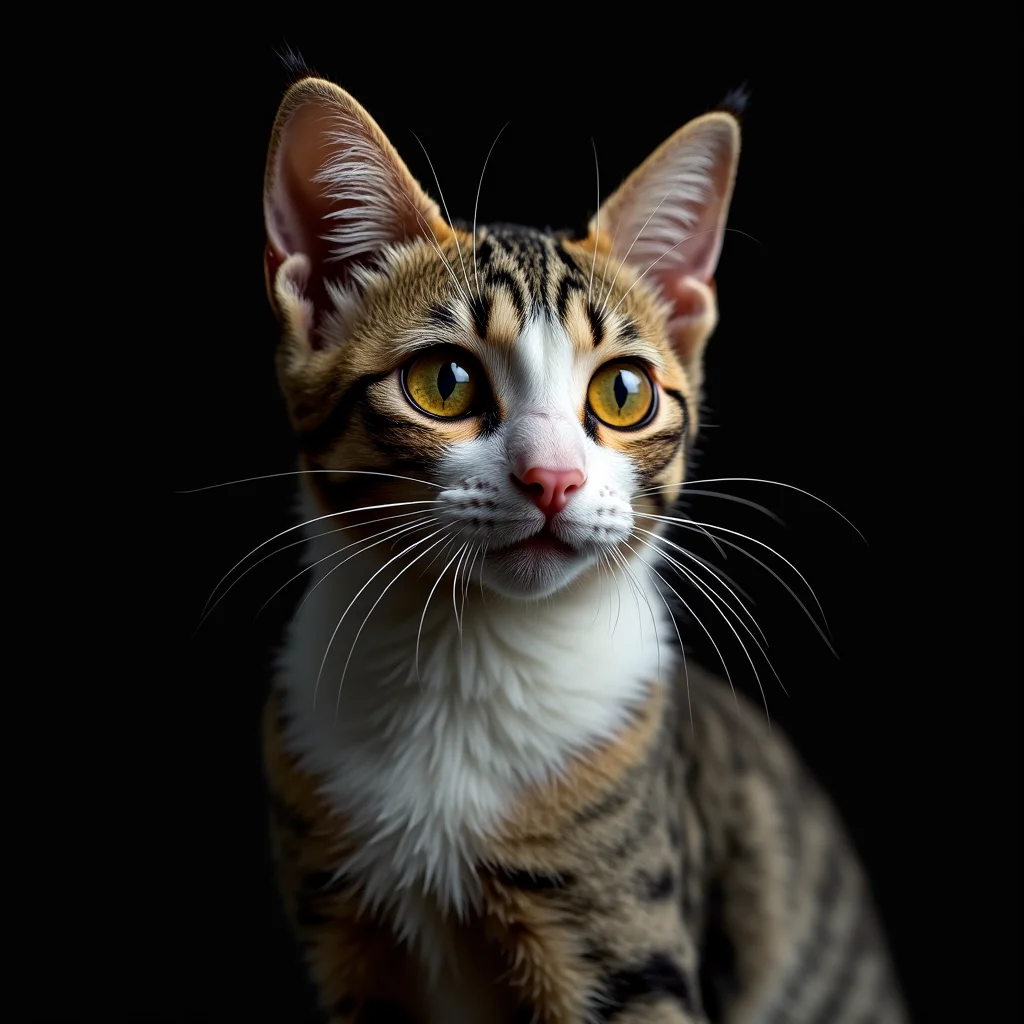
The Korean Shorthair is a resilient natural breed from South Korea, cherished for its intelligence, diverse patterns, and strong survival instincts.
CARE INDEX
ECONOMICS & ORIGIN
SOCIAL COMPATIBILITY
RECOMMENDED CARE ITEMS
IDENTIFICATION TIP
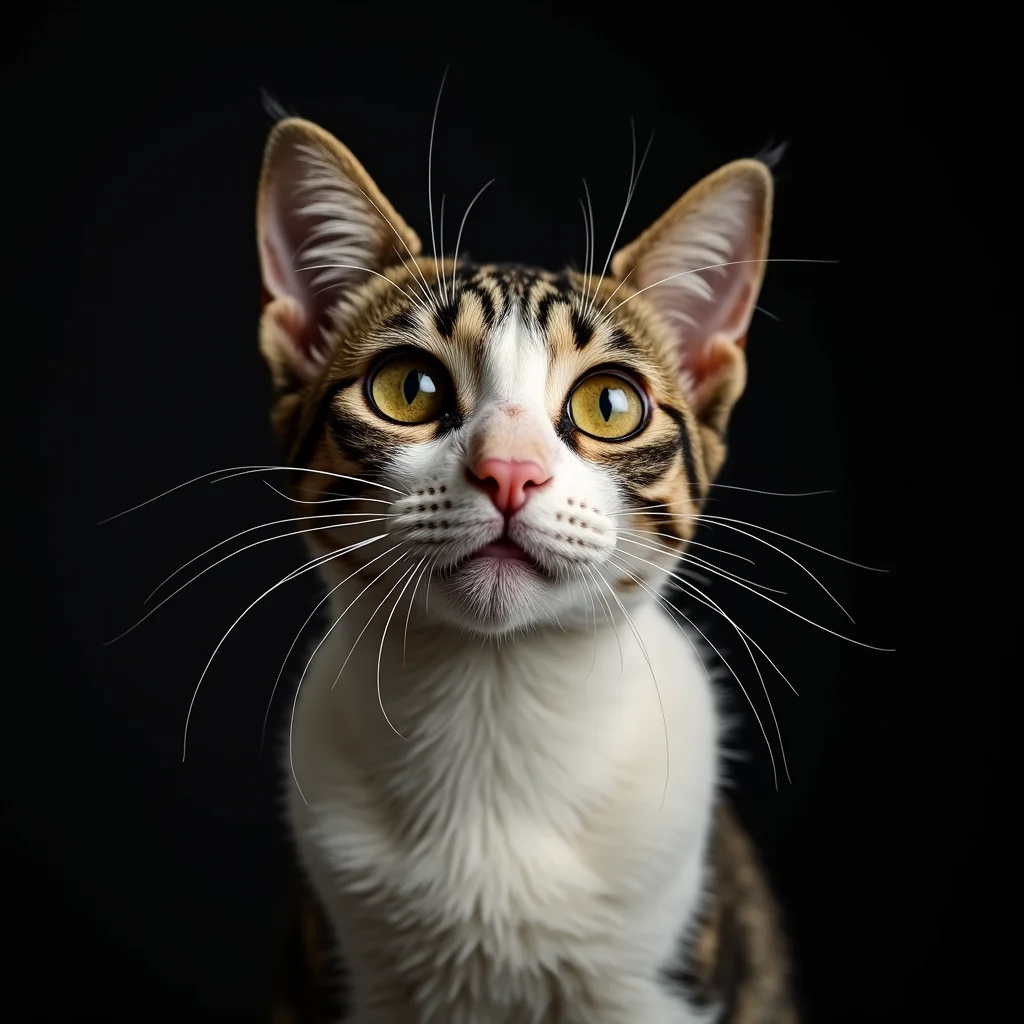
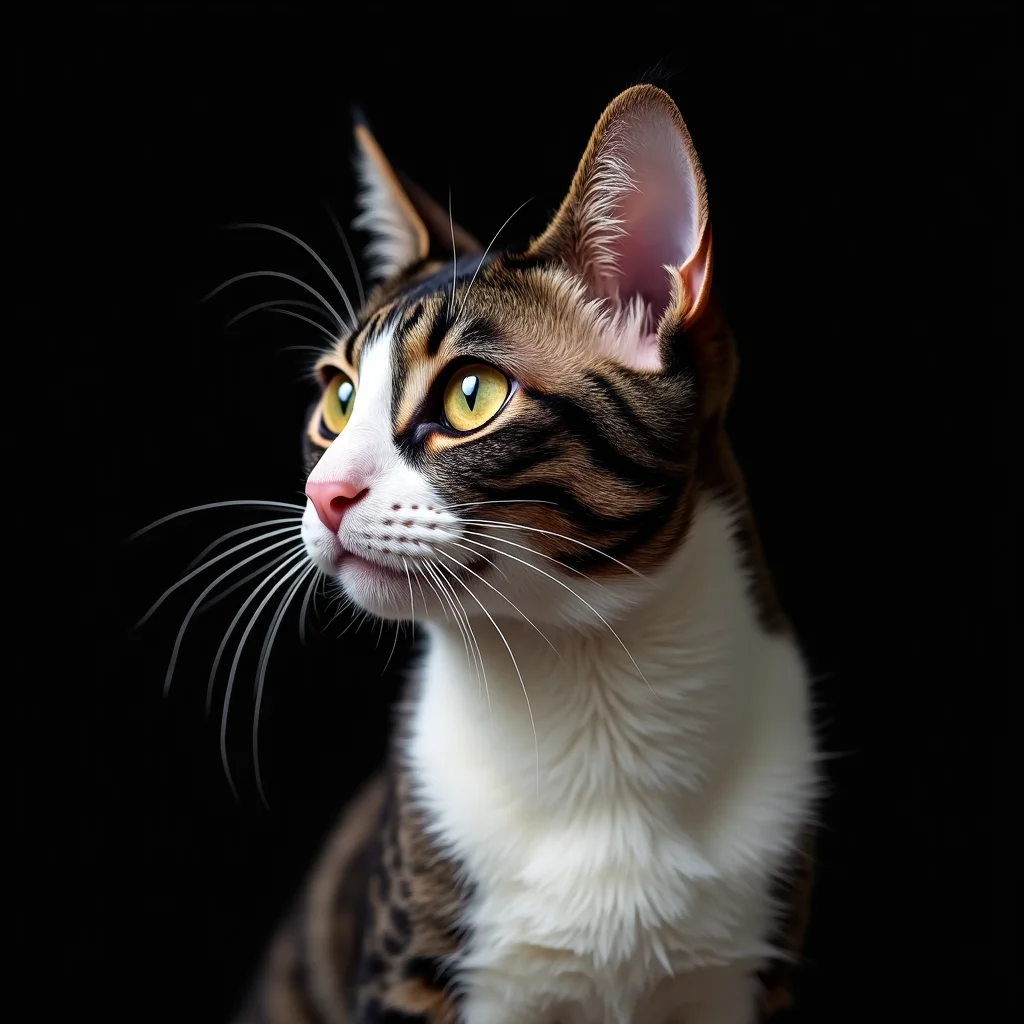
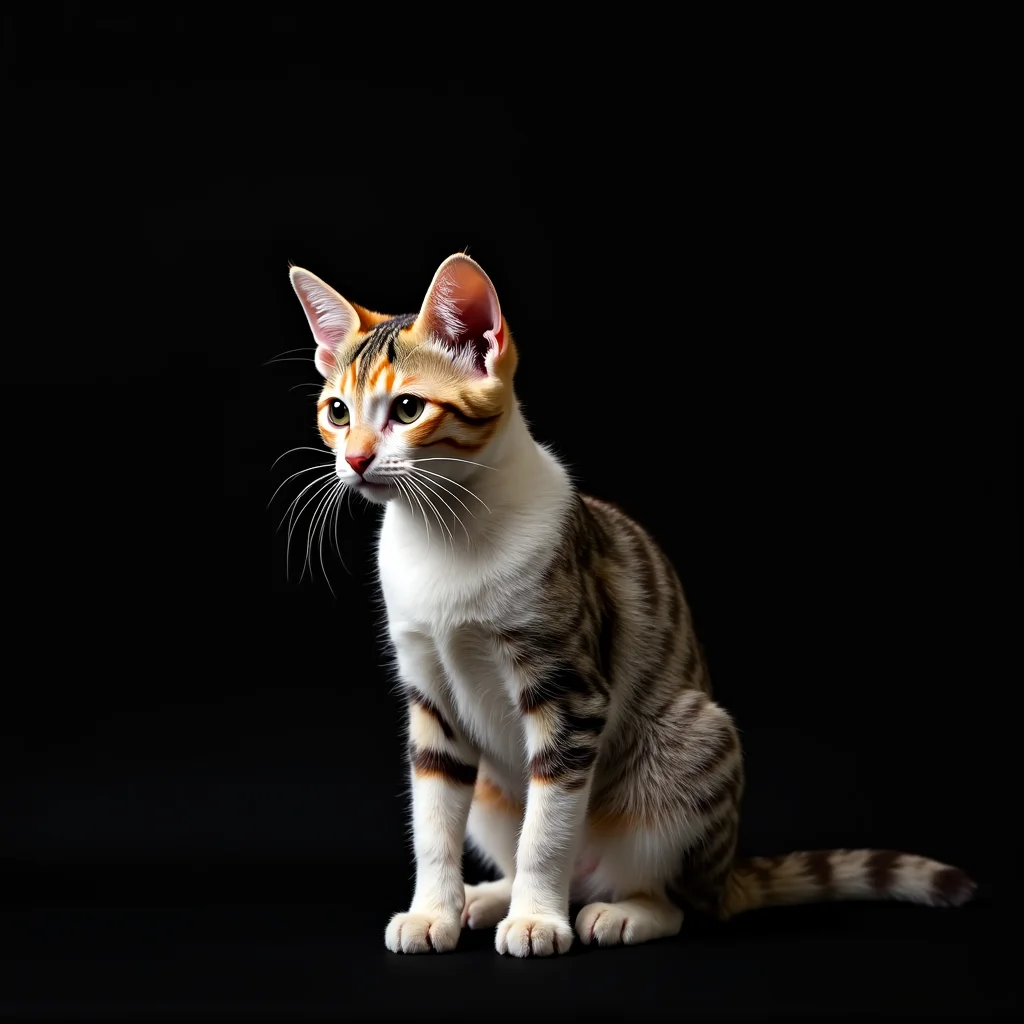
"Features familiar patterns like Cheese Tabby or Tuxedo; has a more slender face and longer legs compared to the American Shorthair."
FREQUENTLY ASKED
Q. Is the Korean Shorthair a pedigree breed?
A. While not formally registered as a pedigree breed like the Siamese, it is recognized as a unique natural breed native to the Korean peninsula.
Q. Which patterns are most popular?
A. The warm 'Cheese Tabby', the intelligent-looking 'Mackerel Tabby', and the sophisticated 'Tuxedo' are all widely beloved.
Q. Is there a difference between street cats and Korean Shorthairs?
A. Most cats living on the streets in Korea belong to the Korean Shorthair breed. They are essentially different names for the same native feline population.
Q. What is their average lifespan?
A. With proper indoor care and nutrition, they often live healthy lives for 15 to 20 years, outliving many pedigree breeds.
Q. Are they aggressive?
A. While those in the wild may be cautious, with early socialization, they become incredibly affectionate and loyal companions, often acting like 'lap dogs'.
OFFICIAL RECOGNITION
REFERENCES & SOURCES
* This guide describes general breed characteristics. For medical decisions, always consult a professional veterinarian.