IDEAL FOR
- + Owners who want constant interaction and communication with their pet
- + Lively households with children or other social pets
- + Beginners looking for a highly affectionate cat with minimal grooming needs
WEIGHT
3.5 - 6.5KG
LIFESPAN
10 - 17YEARS
THINK TWICE IF
- - Owners who are away from home for most of the day
- - People who prefer a quiet and independent feline companion
- - Environments where frequent and loud vocalization could be an issue
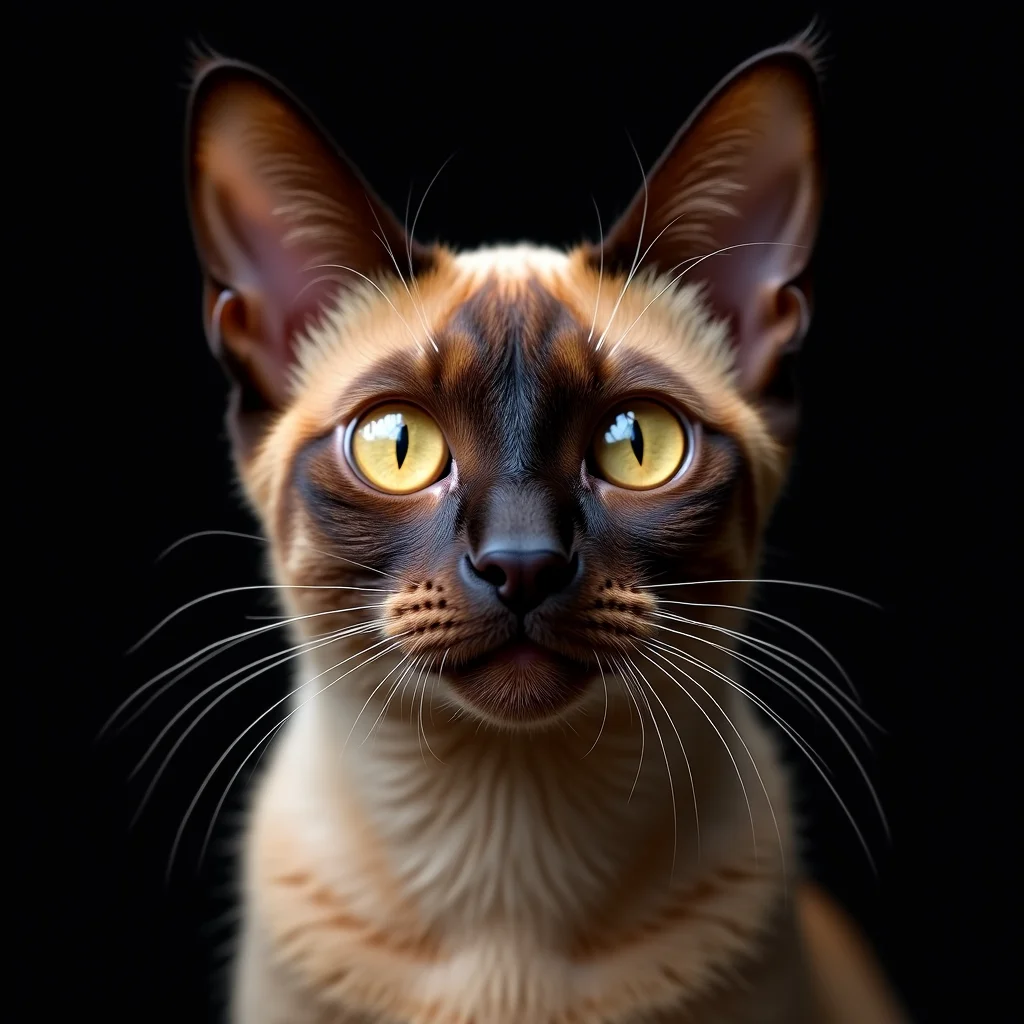
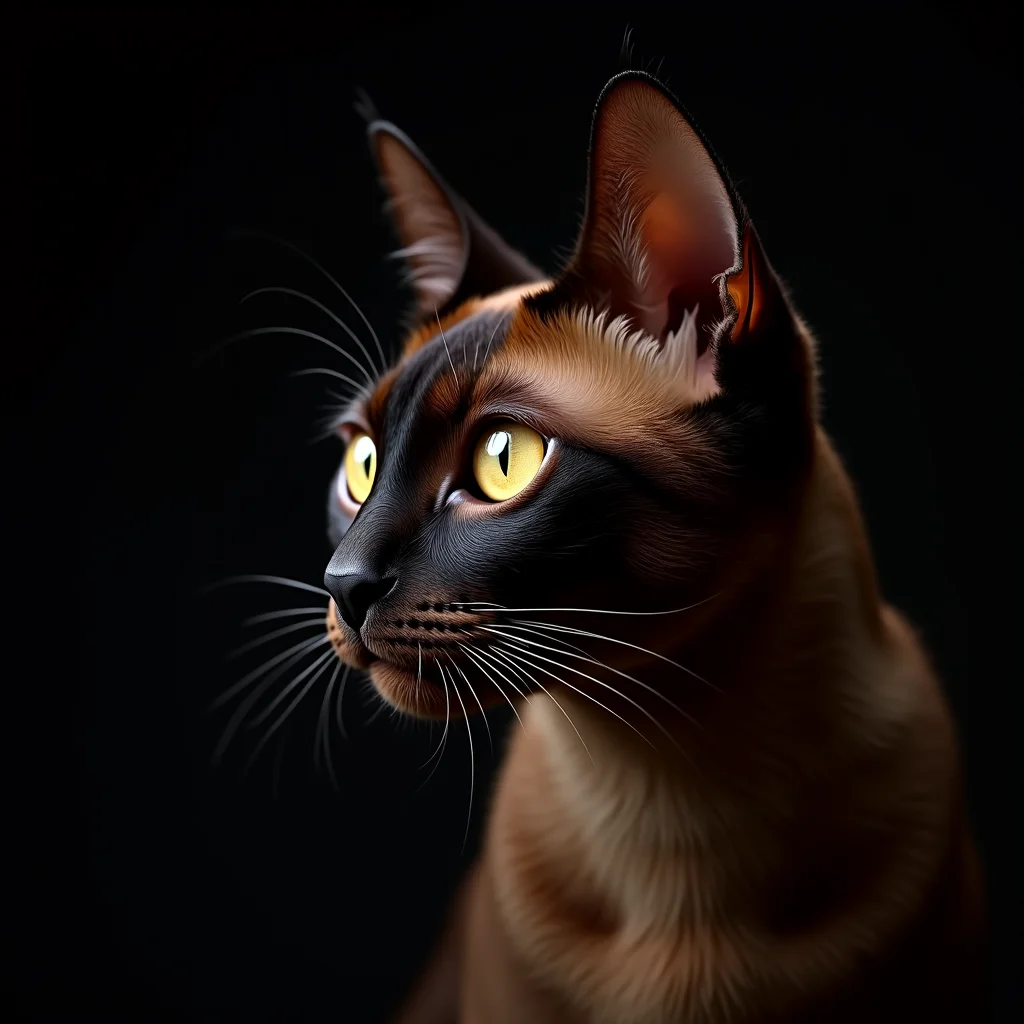
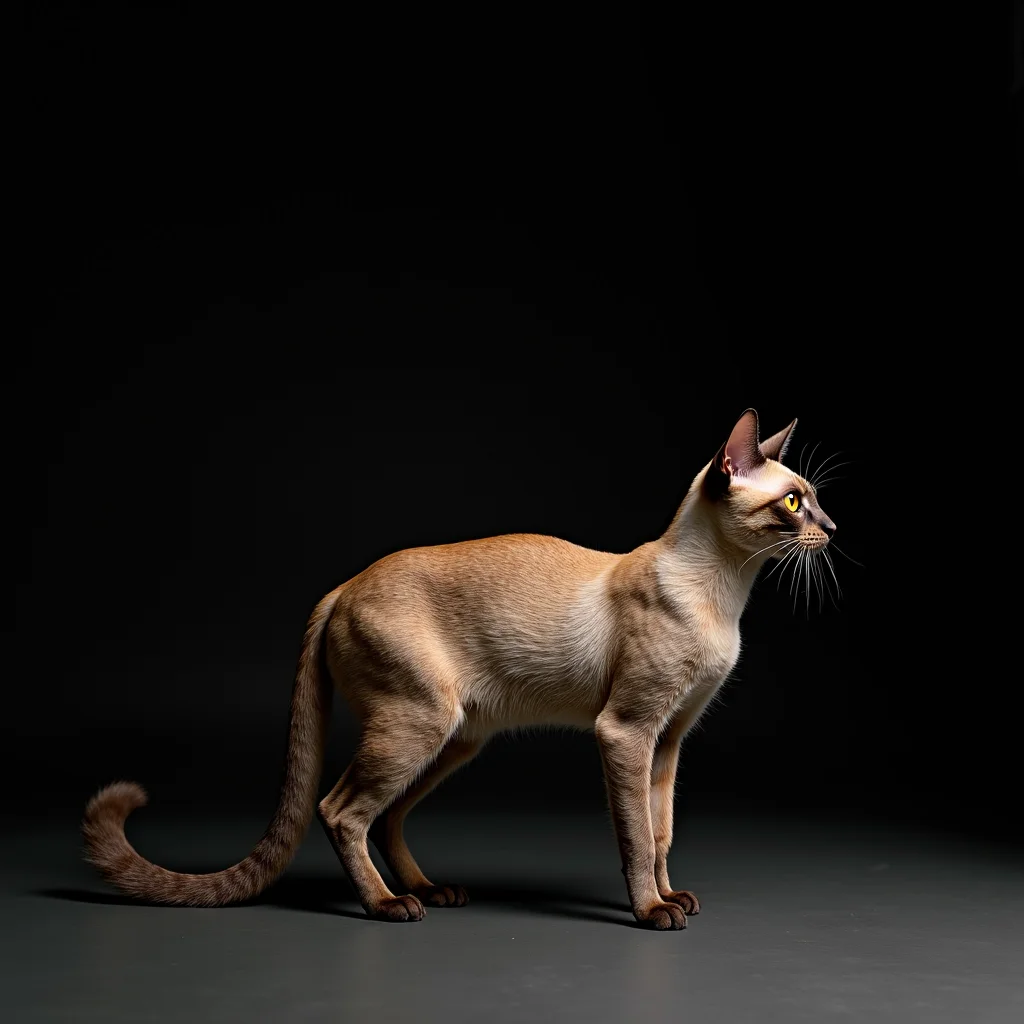
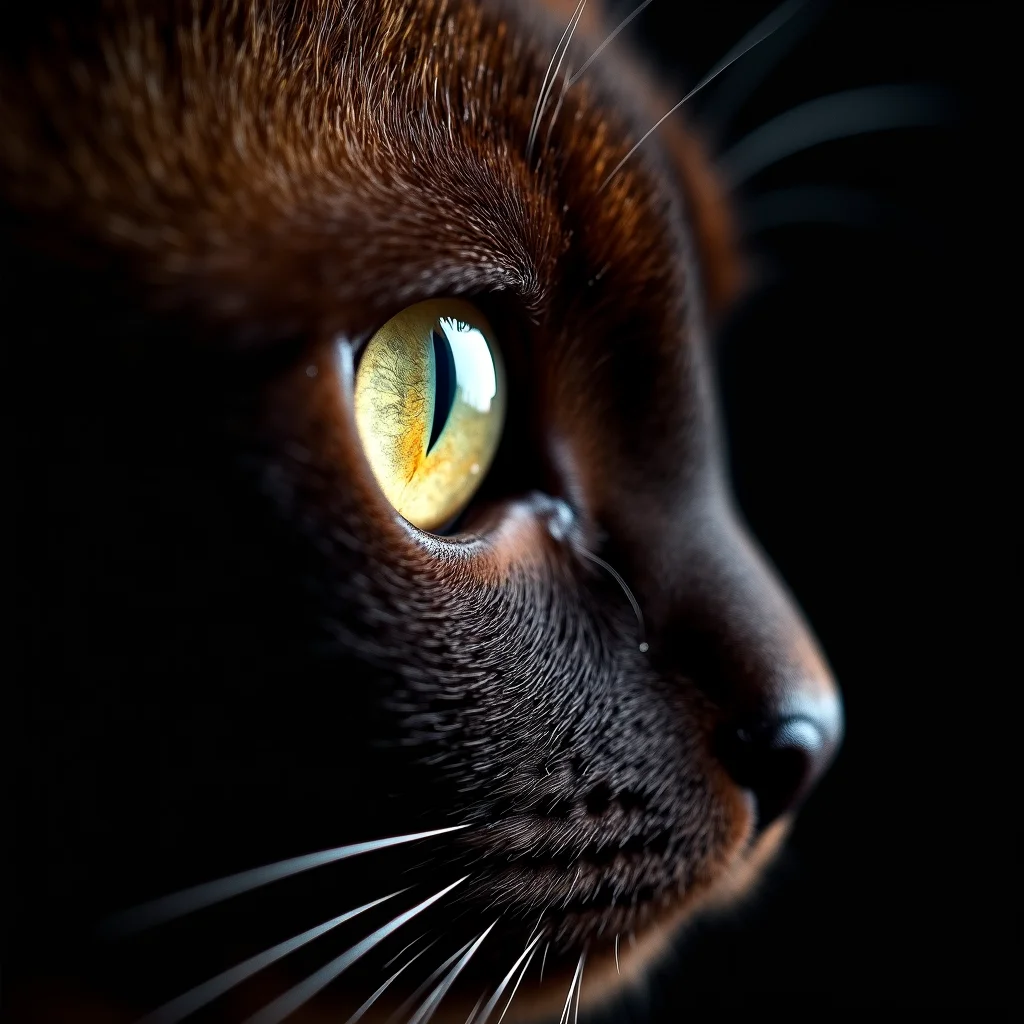
MORPHOLOGY STUDY
HEALTH RISK ADVISORY
Hypokalemia
Severity: Moderate
Diabetes
Severity: Low
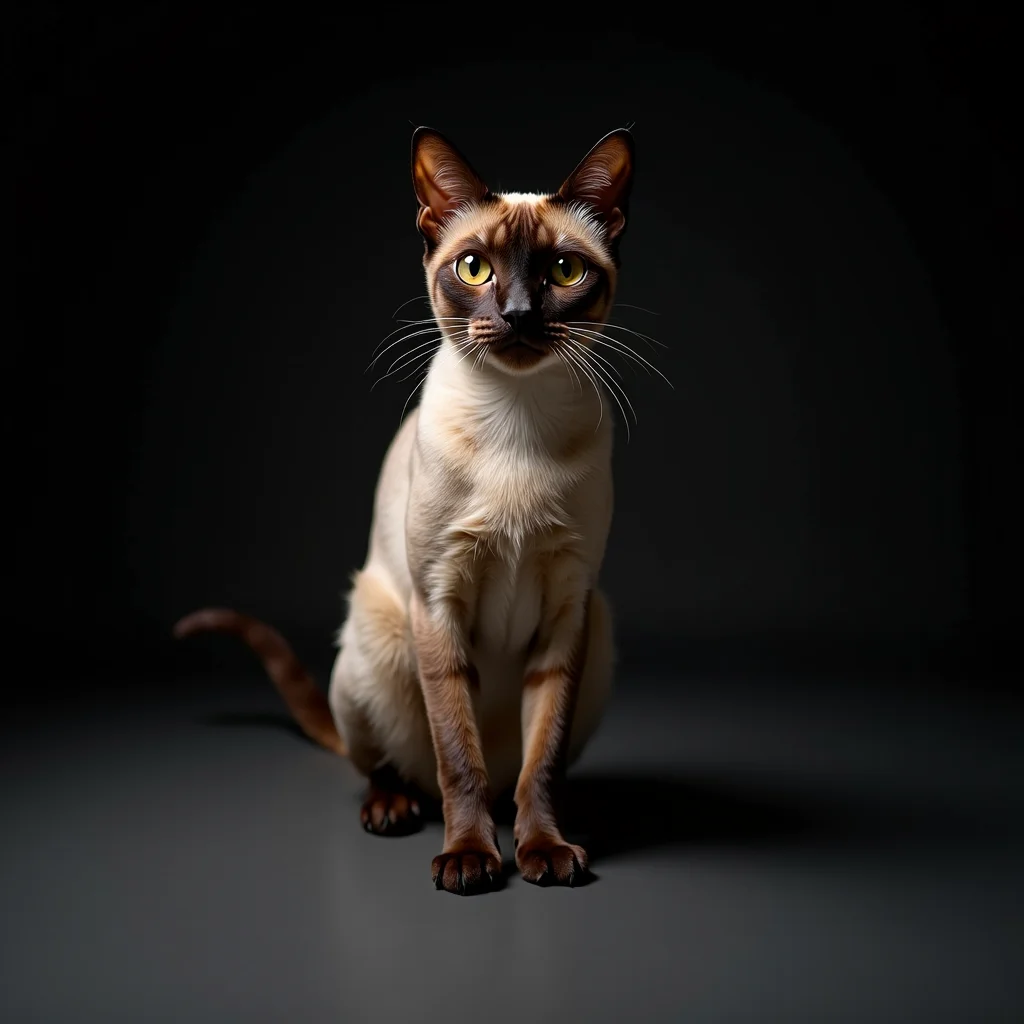
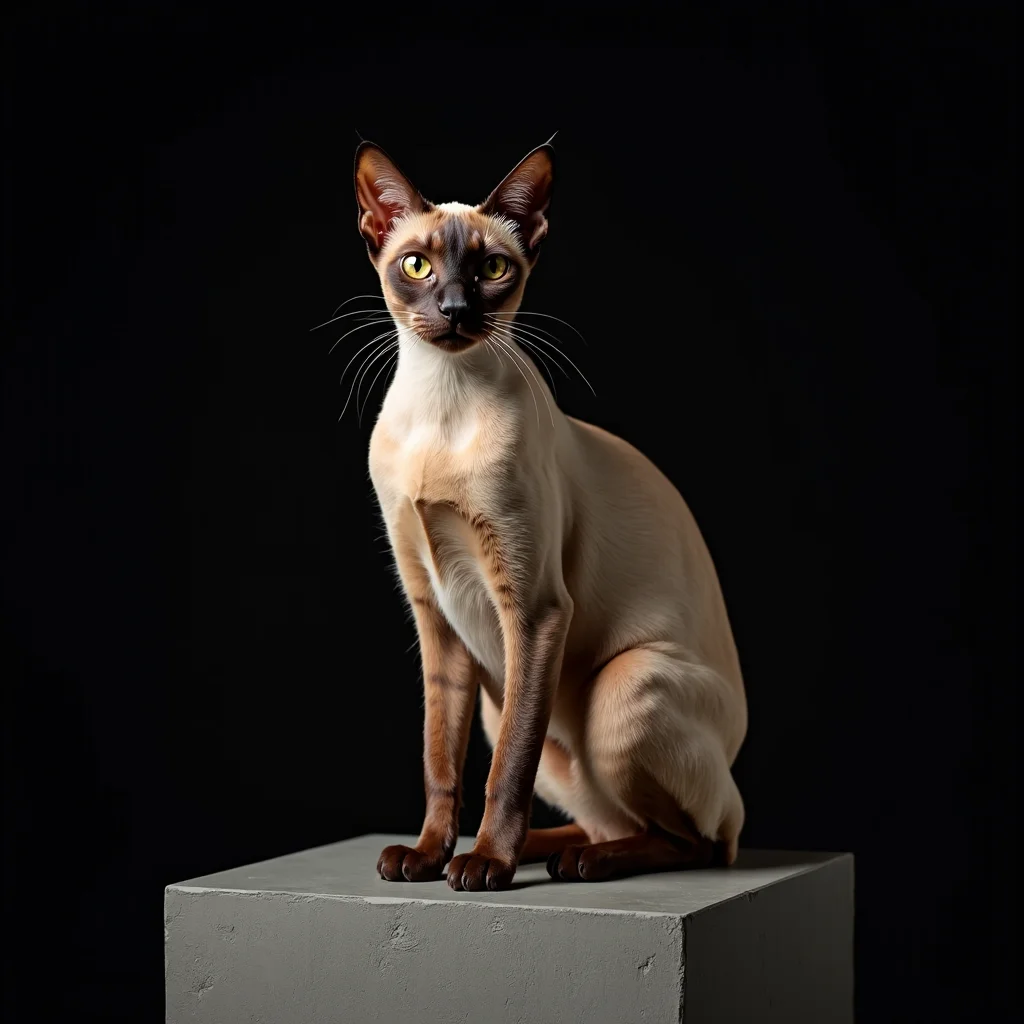
The Burmese is a breed of domestic cat, originating in Southeast Asia and further developed in the United States and Britain.
CARE INDEX
GROOMING
SHEDDING
ACTIVITY
ECONOMICS & ORIGIN
PRICE RANGE
$1,500 - $3,500 (Cattery standard)
ORIGIN & BIOLOGY
Myanmar (Burma) / cobby
SOCIAL COMPATIBILITY
KIDS
OTHER CATS
DOGS
STRANGERS
RECOMMENDED CARE ITEMS
Interactive Feather Wand
Perfect for satisfying the social needs and high energy of a cat that thrives on interaction
Soft Rubber Grooming Brush
Ideal for enhancing the satin-like sheen of their short coat while providing a soothing massage
IDENTIFICATION TIP
"Look for a sturdier, rounder build than a Siamese, and distinctly golden eyes instead of blue."
FREQUENTLY ASKED
Q. How are they different from Siamese cats?
A. Siamese have blue eyes and a slender frame, whereas Burmese have yellow/golden eyes and a much rounder, muscular build.
Q. Do they shed much?
A. They are among the lowest-shedding shorthair breeds due to their lack of a significant undercoat.
OFFICIAL RECOGNITION
REFERENCES & SOURCES
CFA (The Cat Fanciers' Association)
CFA (The Cat Fanciers' Association) VIEW OFFICIAL STANDARD
CFA (The Cat Fanciers' Association) VIEW OFFICIAL STANDARD →TICA (The International Cat Association)
TICA (The International Cat Association) VIEW OFFICIAL STANDARD
TICA (The International Cat Association) VIEW OFFICIAL STANDARD →* This guide describes general breed characteristics. For medical decisions, always consult a professional veterinarian.