IDEAL FOR
- + Owners seeking a 'velcro cat' that thrives on constant human companionship
- + Busy individuals who need a low-shedding and easy-to-groom breed
- + Families with children or other pets looking for a gentle, social companion
THINK TWICE IF
- - Individuals who prefer a quiet, independent cat that enjoys solitude
- - Owners who cannot provide significant daily interaction and lap time
- - Environments where maintaining a stable, warm indoor temperature is difficult
MORPHOLOGY STUDY
HEALTH RISK ADVISORY
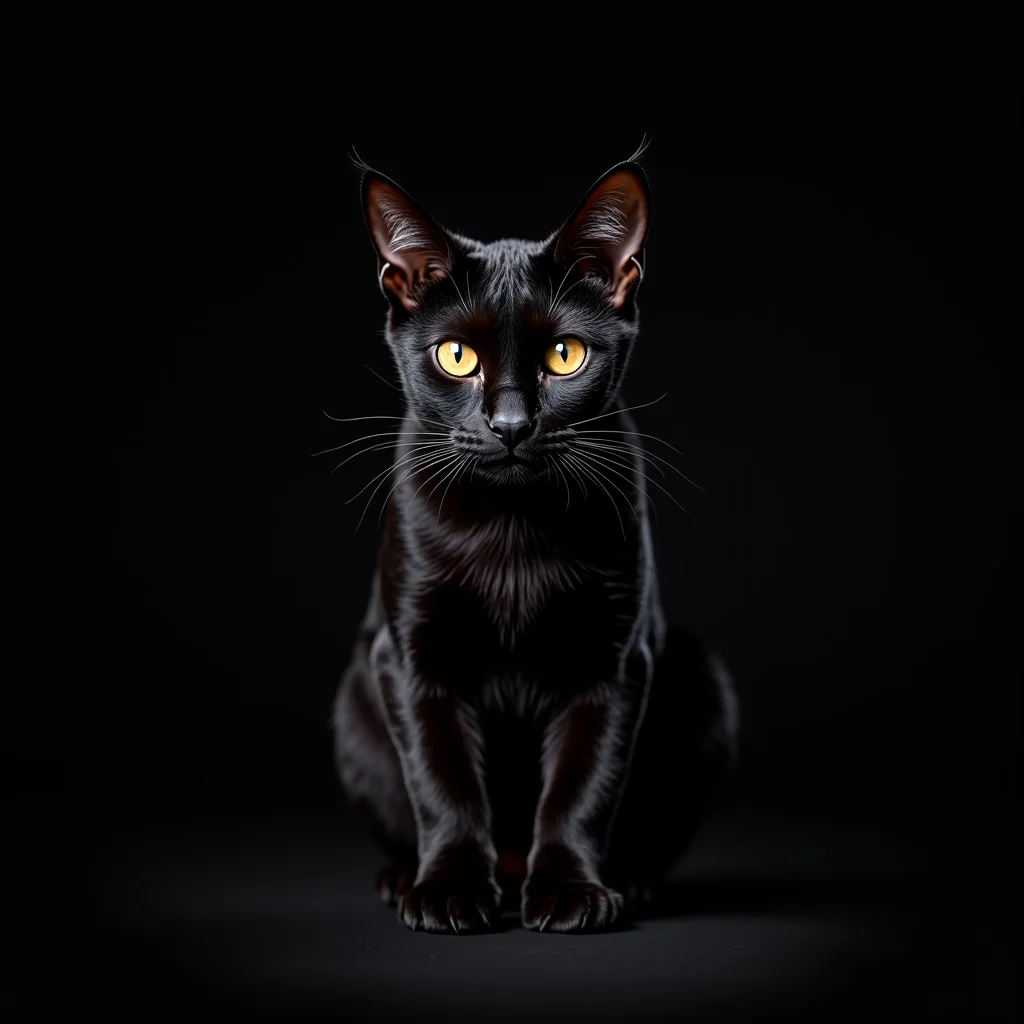
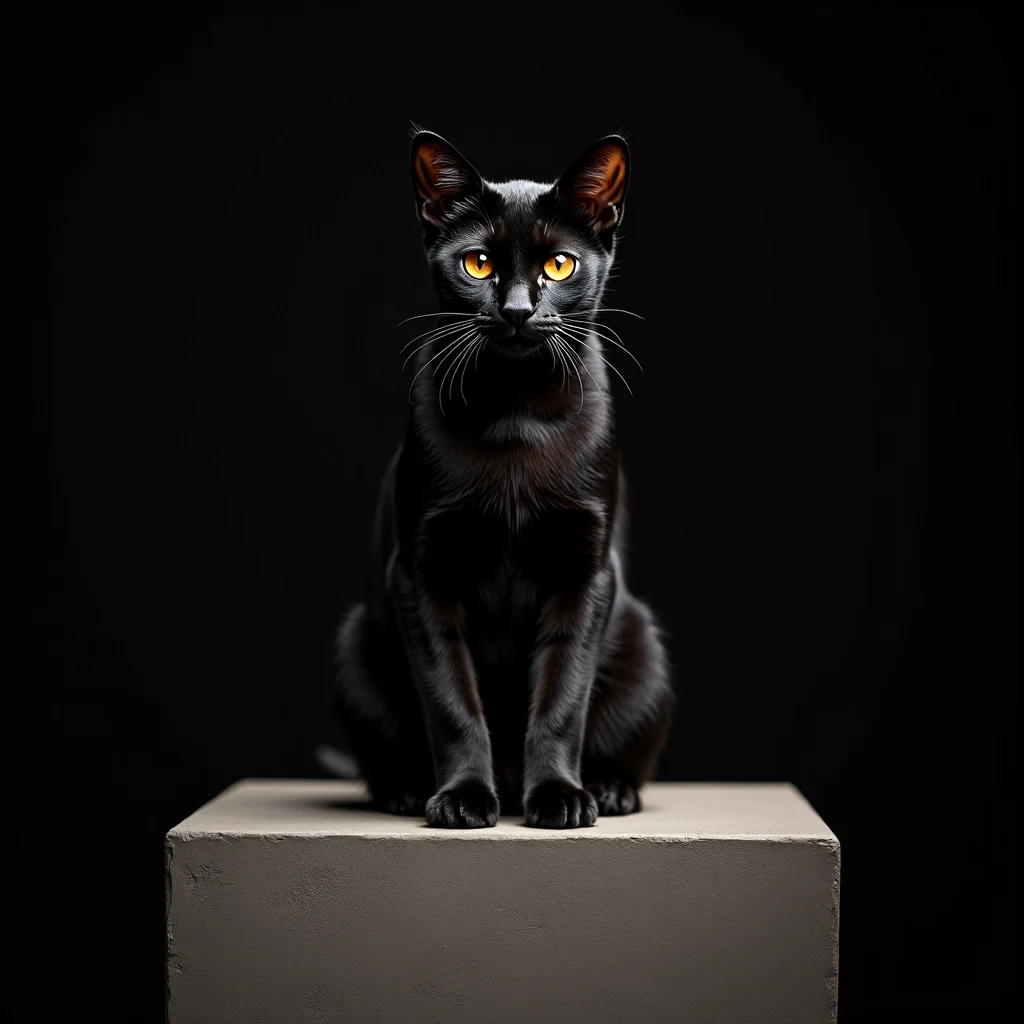
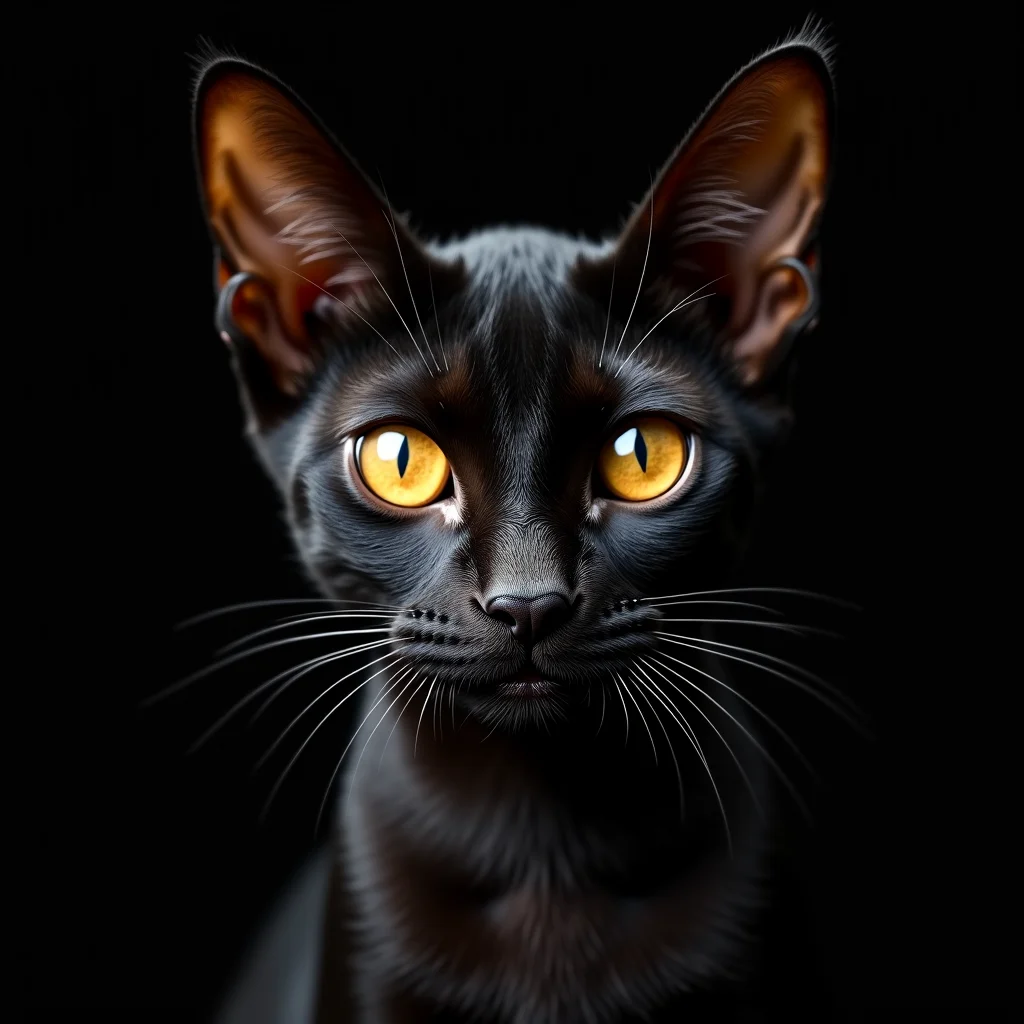
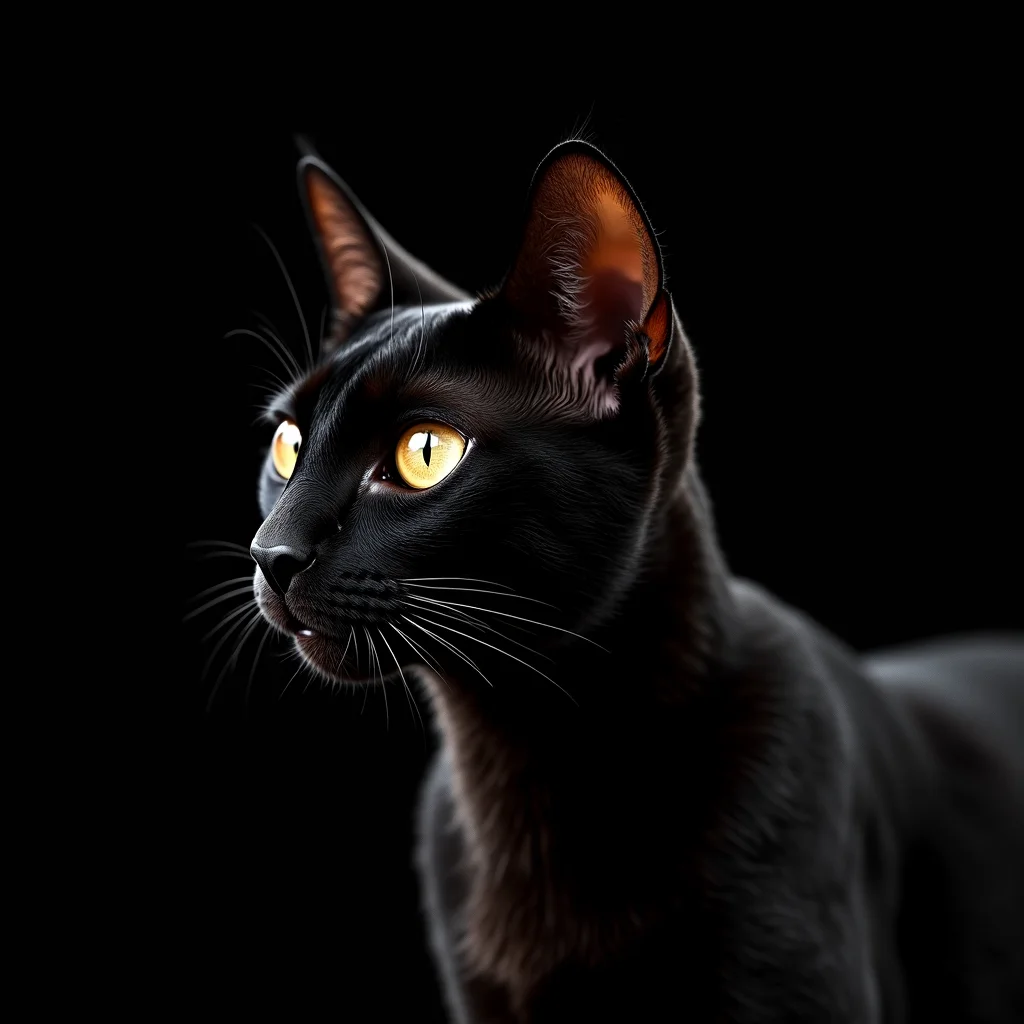
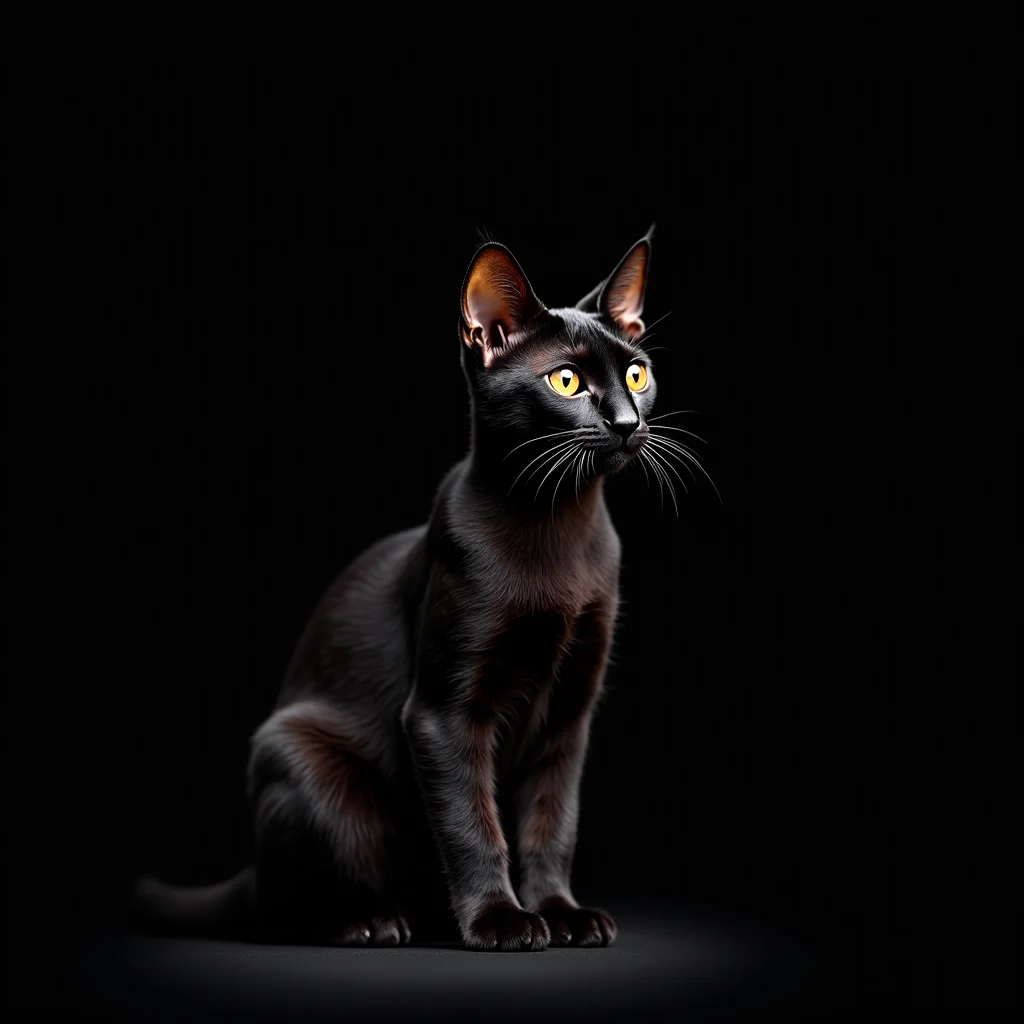
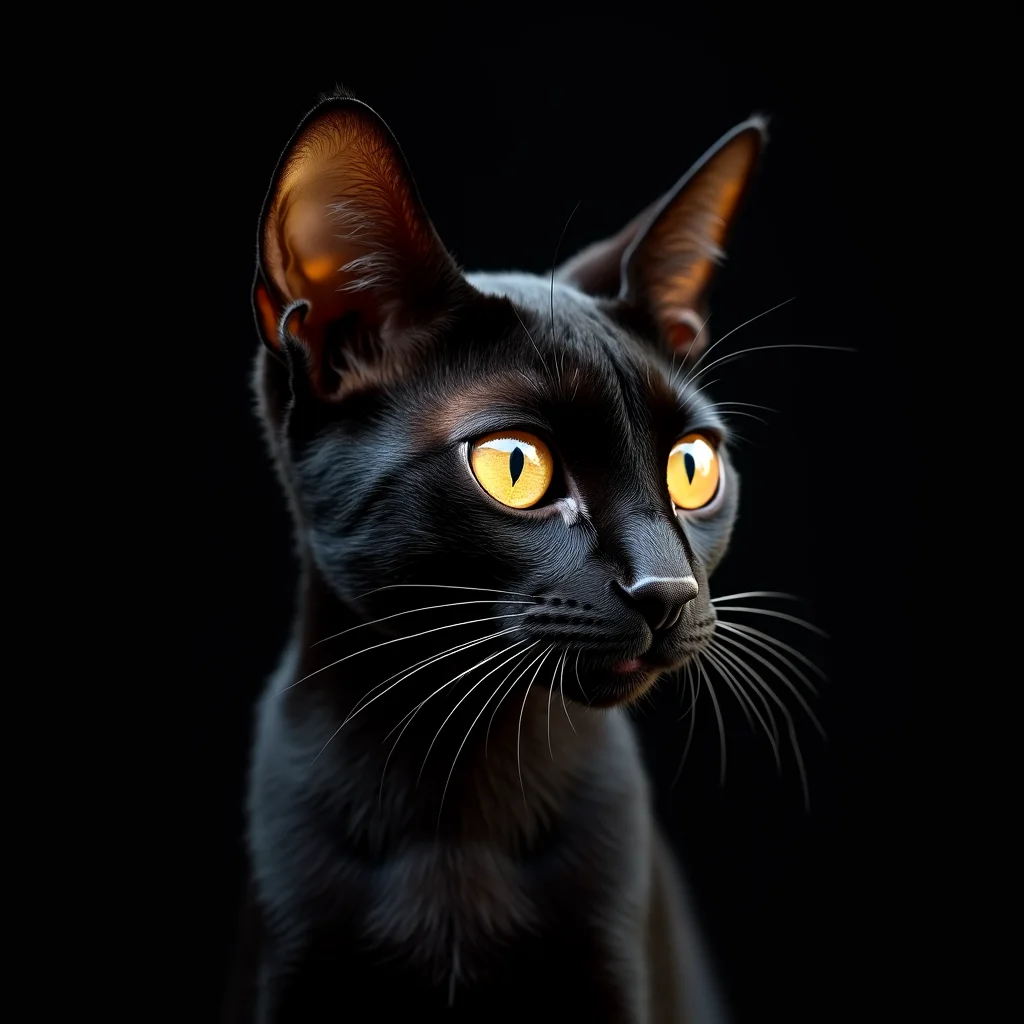
The Bombay cat is a sleek, black short-haired breed designed to resemble a miniature black panther, known for its incredible affection and copper eyes.
CARE INDEX
ECONOMICS & ORIGIN
SOCIAL COMPATIBILITY
RECOMMENDED CARE ITEMS
IDENTIFICATION TIP
"Look for a rounder face and eyes that are a deep copper or orange color, unlike the yellow or green eyes of common black cats."
FREQUENTLY ASKED
Q. How is it different from a common black cat?
A. Bombays have rounder faces and eyes that must be copper or gold. Their coat is also shorter, more close-lying, and has a distinct 'satin' sheen.
Q. Are they aggressive because they look like panthers?
A. Not at all. Despite their wild look, they are among the most affectionate and people-oriented breeds, often following owners like dogs.
Q. Do they shed much?
A. No, they have very little undercoat and are considered low-shedding. A light weekly brushing is enough to manage any loose fur.
Q. Are they good with children?
A. Yes, they are patient and social, making them excellent family pets that bond deeply with all family members, including children.
Q. Can they be left alone for long?
A. No, they are prone to separation anxiety. They thrive best in homes where they have company, whether it's humans or other pets.
OFFICIAL RECOGNITION
REFERENCES & SOURCES
* This guide describes general breed characteristics. For medical decisions, always consult a professional veterinarian.